
Plants
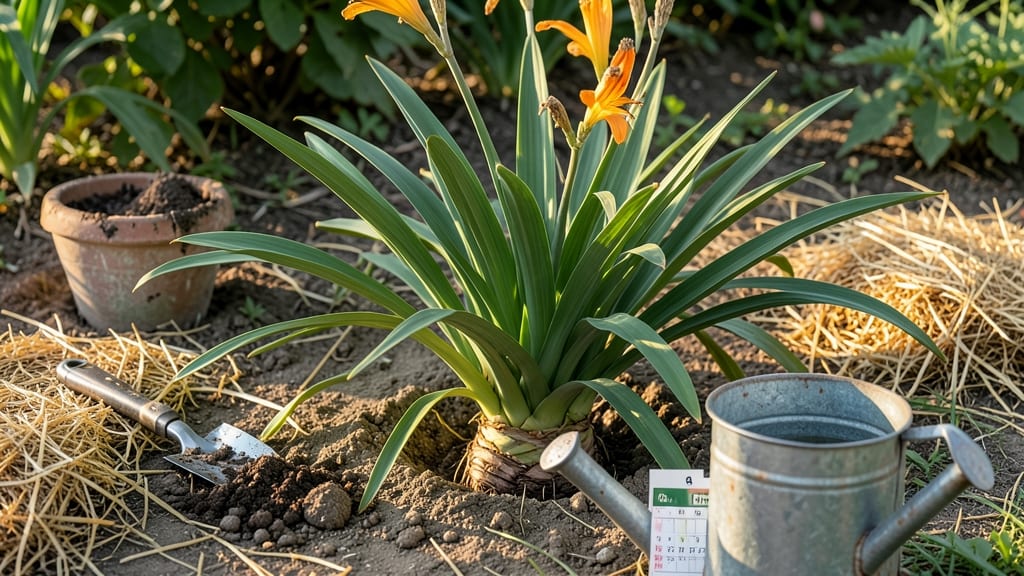
Timing when to plant daylily bulbs in Zone 9 just right can mean the difference between vibrant summer blooms and struggling plants.
Unlike cooler climates, Zone 9's mild winters and intense summers demand a precise window—plant too early, and you risk heat stress; too late, and your 🌸 may not establish before the next heatwave.
I’ve learned the hard way that the ideal planting window for Zone 9 is actually a narrow stretch between late winter and early spring, when soil temperatures hover around 60°F and the threat of frost has passed.
This timing ensures your daylilies get a strong start before summer’s relentless heat kicks in.
But here’s the twist: your exact timing depends on where in Zone 9 you live. Southern California’s coastal areas can handle early February plantings, while inland desert regions like Arizona may need to wait until March. I’ll break down the region-specific adjustments you need to make for foolproof results.
Ready to transform your garden with zero-frost success? Let’s dive into the exact steps, soil prep tips, and post-planting care that’ll have your daylilies thriving by summer.
Optimal planting window for daylily bulbs in Zone 9 (with frost-free timing)
Daylilies thrive in Zone 9’s mild climate, but timing is everything. Unlike bulbs that need winter dormancy, daylily rhizomes (often mistaken for bulbs) prefer to establish roots when soil temps hit 60°F+.
In Zone 9, this means waiting until late winter or early spring—never fall, as the ground rarely cools enough for root growth.
Your critical window is just 4–6 weeks after your area’s last frost date. For most of Zone 9 (e.g., Southern California, Arizona), this lands in February–March. In Florida or Texas, where frost is rare, aim for January–February to avoid summer heat stress during early growth.
Here’s the golden rule: Plant when daytime highs are consistently above 65°F and nights stay above 50°F. This ensures your rhizomes won’t shock from sudden temperature swings—common in Zone 9’s unpredictable microclimates.
Zone 9 Daylily Planting Timeline
| Stage | Action | Soil Temp | Notes |
|---|---|---|---|
| Pre-Plant Prep | Test soil pH (6.0–7.0 ideal) | N/A | Amend with compost if needed |
| Optimal Planting | Plant rhizomes 1–2" deep | 60°F+ | February–March (Zone 9) |
| Root Establishment | Water deeply weekly | 65°F+ | Avoid soggy soil |
| Bloom Time | First flowers in 60–90 days | 70°F+ | June–August peak |
| Post-Bloom Care | Reduce water; fertilize lightly | 55°F+ | Prep for dormancy |
⚠️ Pro Tip: Use a soil thermometer to confirm temps before planting—Zone 9’s desert vs. coastal areas can vary by 10°F+!
If you plant in fall (September–October), you’ll likely see blooms earlier next year, but rhizomes may struggle in Zone 9’s warm winters. For summer blooms, stick to the February–March window—this gives roots time to establish before the heat ramps up in May.
Pro gardeners in coastal Zone 9 (e.g., San Diego, Los Angeles) often plant as early as January because cooler ocean breezes delay soil warming. Inland areas like Phoenix or Las Vegas should wait until late February to avoid heat stress on young plants.
One common mistake is planting after the last heatwave of summer. In Zone 9, this can happen as late as June—but rhizomes planted then may bolt to flower too quickly, weakening root growth. Always check your local USDA Plant Hardiness Zone Map for microclimate adjustments.
For container gardening in Zone 9, the window shrinks to just 3–4 weeks post-last-frost. Use well-draining pots and move containers to partial shade during midday heat (11 AM–3 PM) to protect tender new shoots.
Remember: Daylilies are perennials, so a well-timed planting now means decades of blooms with minimal effort. The key is patience—rushing leads to stunted growth, while waiting too long delays those vibrant summer flowers you’re craving.
Optimal planting window for daylily bulbs in Zone 9 (with frost-free timing)
Zone 9’s mild winters and long growing seasons create a unique challenge for daylily planting—too early, and you risk heat stress from lingering summer temperatures; too late, and your blooms may arrive after peak enjoyment.
The ideal window spans late February through early April or September through October, aligning with soil temperatures above 60°F and minimal frost risk.
For spring planting, aim for the 4-6 week window after your last frost date (typically mid-January in most of Zone 9). This gives rhizomes time to establish roots before summer heat arrives.
In Southern California or Arizona, where winters are nearly frost-free, you can plant as early as late January if soil is workable.
🌱 Daylily Planting Timeline for Zone 9
| Season | Planting Window | Soil Temp | Key Consideration |
|---|---|---|---|
| Spring | Late February - Early April | 60°F+ | Avoid summer heat stress |
| Fall | September - October | 70°F+ | Establish roots before winter |
💡 Pro Tip: Test soil moisture before planting—it should be damp but not soggy.
Fall planting offers a second opportunity to establish daylilies, with September through October being ideal. This timing allows rhizomes to develop roots before winter rains arrive, reducing transplant shock. In cooler microclimates like Higher elevations in Texas, push planting to October to avoid early frost exposure.
Regional nuances matter: In desert climates (e.g., Phoenix, AZ), plant in late winter to escape extreme summer heat, while coastal areas (e.g., San Diego, CA) can plant as early as January due to milder temperatures.
Always check your local last-frost averages via the USDA Plant Hardiness Zone Map.
Timing also affects bloom time: Spring-planted daylilies often bloom 2-4 weeks earlier than fall-planted ones, giving you extended summer color. For continuous blooms, stagger plantings—some in spring and others in fall.
After planting, mulch with 2-3 inches of organic mulch (e.g., straw or wood chips) to retain moisture and regulate soil temperature. Avoid mulching too deeply, as daylilies prefer well-aerated soil. Water deeply once a week for the first 4 weeks to encourage root establishment.
🌿 Remember: Daylilies are rhizomes, not bulbs, so plant them horizontally, just below soil level, with the eyes facing upward. This simple adjustment can double your success rate in Zone 9’s variable climate.