
Plants
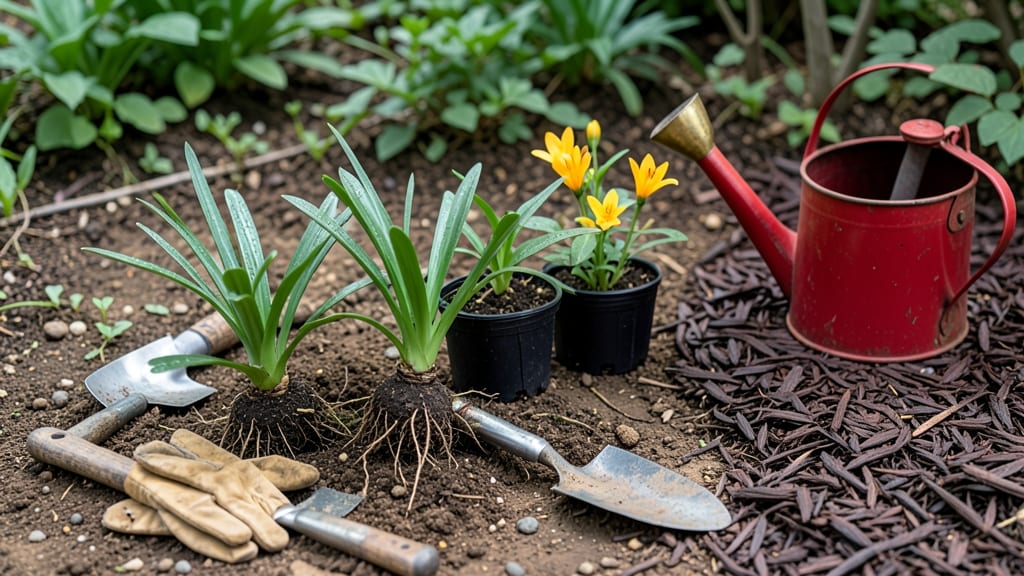
Planting daylilies 🌸 in Texas isn’t just about grabbing a shovel—it’s about outsmarting the state’s unpredictable weather swings. Too early, and your hardy perennials might face late frosts; too late, and they’ll struggle to root before the scorching summers arrive.
The best window for zero-frost survival? Fall or early spring, but timing depends on your USDA zone.
Most Texas gardeners swear by planting in September–November or February–March, when soil temperatures are just right—60°F or warmer—and the risk of frost has passed for most regions.
But here’s the catch: North Texas (like 8a) has later frosts than South Texas (10b), so your neighbors’ perfect timing might not work for you.
Why does this matter? Because daylilies planted at the wrong time won’t just underperform—they’ll wilt under the stress of Texas heat or freeze in unexpected cold snaps.
I’ll break down the exact months for your zone, plus how to prep your soil and spot the ideal planting window before you even dig.
Ready to skip the guesswork? Let’s dive into the foolproof schedule for daylilies that thrive year after year—no matter where you are in the Lone Star State.
Best months to plant daylilies in Texas by USDA Zone
Texas spans USDA Zones 7a–11, meaning frost-free dates and soil temperatures vary wildly from the Panhandle to South Texas. In Zone 7a–8b (North Texas), your last frost typically hits by mid-February, while Zone 9a–11 (South Texas) rarely sees frost at all.
Daylilies thrive when planted after the soil warms to 60°F+, which usually aligns with late February to early April for most regions—but timing shifts dramatically near the coast.
For North Texas (Zones 7a–8b), aim for late February to March to avoid late frosts. In Central Texas (Zones 8a–9a), March to early April is ideal, while South Texas (Zones 9b–11) gardeners can plant as early as January–February since frost is rare.
The key? Wait until nighttime temps stay above 50°F consistently—this ensures roots establish before summer’s 100°F+ heat arrives.
Here’s the golden rule: Never plant daylilies in Texas during peak summer (June–August). The intense heat stresses young plants, and root establishment slows dramatically. Even fall planting (September–October) works in cooler zones but risks overwhelming growth before winter dormancy in hotter areas like Zone 10b+.
Pro Tip: Use a soil thermometer to confirm 60°F+ soil temps before planting. In North Texas, this often means waiting until late March—even if calendar dates suggest earlier planting. South Texas gardeners can push planting to January if soil is warm enough, but avoid planting after May to prevent heat stress.
Visual Guide: Below is a zone-by-zone breakdown of ideal planting windows, frost risks, and soil prep tips tailored to Texas’ microclimates. Use this as your planting calendar to align with your local conditions.
| USDA Zone | Last Frost Date | Best Planting Window | Soil Temp Goal | Key Risk |
|---|---|---|---|---|
| 7a–8a (North Texas) | Feb 15–March 1 | Late March–April | 60°F+ | Late frost |
| 8b–9a (Central Texas) | Feb 1–March 15 | March–Early April | 60°F+ | Drought stress |
| 9b–10a (South Texas) | Dec 15–Jan 31 | Jan–March | 65°F+ | Heat stress |
| 10b–11 (Deep South Texas) | None (rare frost) | Jan–Feb or Sep–Oct | 70°F+ | Pests (aphids, thrips) |
⚠️ Note: Adjust for microclimates (e.g., urban heat islands plant 2–4 weeks later than rural areas).
If you’re in Zone 10b+, fall planting (September–October) is often better than spring—avoiding the scorching summer heat entirely. For North Texas gardeners, March planting gives roots time to anchor before June’s 100°F+ temps. Pro Move: Test your soil’s drainage before planting
How to tell when soil and weather are Really Ready for Planting
Don’t rely solely on the calendar—Texas’ unpredictable weather demands real-world checks before planting daylilies. The soil temperature must reach at least 60°F (15°C) for roots to establish properly.
Use a soil thermometer (just $10 at garden centers) to test 6 inches deep—this is the critical zone where roots will grow.
Another key sign? The ground should feel warm to the touch and crumble easily when squeezed.
If it’s still cold or muddy, wait—daylilies hate soggy soil. Spring rains can also delay planting; if your yard is a swamp by March, hold off until the water drains within 24 hours after heavy rain.
Check the weather forecast for 7-day predictions—look for stable temperatures (no more than 10°F swings) and minimal rain. Daylilies thrive in consistent warmth, so avoid planting during heatwaves (above 90°F/32°C) or unseasonal cold snaps.
Pro tip: Plant on a cloudy day to reduce transplant shock from direct sun.
For container-grown daylilies, inspect the roots—if they’re circling tightly or dry and brittle, soak the pot for 10–15 minutes before planting. Healthy roots should be white and moist, not brown or mushy.
This step prevents transplant shock, which is especially risky in Texas’ dry, windy springs.
Finally, test your planting site’s drainage by digging a 6-inch hole and filling it with water. If it doesn’t drain within 1 hour, amend the soil with compost or sand to improve airflow.
Poor drainage is the #1 reason daylilies fail in Texas—even in well-draining native soils, clay pockets can lurk.
With these checks complete, you’re ready to plant confidently. The ideal window is when soil, weather, and your schedule align—usually mid-March to early April for most of Texas. Now grab those shovels—your daylilies are waiting! 🌱