
Plants
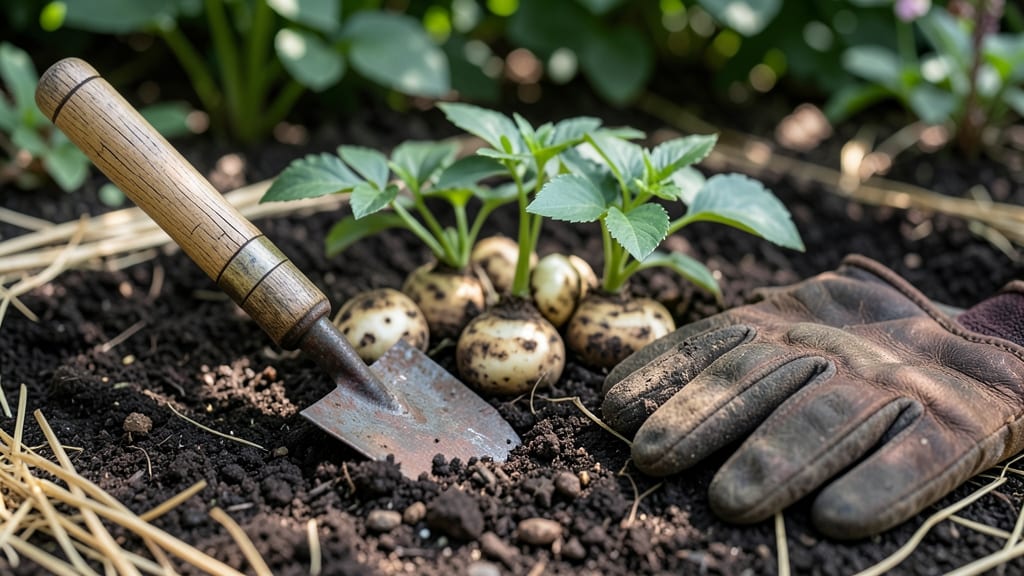
Planting dahlias in Indiana at the wrong time means risking frost damage or missing out on those stunning 🌼 blooms you’ve been dreaming of.
The key to success lies in understanding your Zone 6 frost dates and soil temperature—because Indiana’s unpredictable spring can turn a great planting day into a disaster in just a few nights.
Most gardeners here wait until mid-April to early May after the last frost, but that’s just the starting point. The real secret? Waiting until the soil warms to at least 60°F—cold ground slows tuber growth, leaving your dahlias vulnerable to rot or stunted blooms.
I’ll break down exactly how to time it right, so you avoid the common mistakes that leave Indiana gardeners frustrated every year.
Whether you’re chitting tubers indoors or planting directly in the ground, the right approach depends on your microclimate. Some years, late spring cold snaps sneak in, while others bring early warmth—so flexibility is everything.
You’ll learn how to prepare your dahlias for Indiana’s unpredictable spring, from soil prep to mulching strategies that extend the growing season.
By the end, you’ll know exactly when to plant for maximum blooms, how to protect your tubers from late frosts, and the simple care routine that keeps your dahlias thriving until October. Let’s get those 🌼 beauties growing strong!
Indiana dahlia planting timeline: frost-free dates & soil temperature rules
Indiana’s Zone 6 climate means your dahlias must wait for consistent warmth—not just frost-free nights. According to Purdue University Ag, the average last spring frost occurs between April 15 and May 15, but soil temperature is the real game-changer.
Dahlias won’t thrive until the ground reaches 60°F or warmer at 4-inch depth.
Why? Cold soil stunts root growth, leaving tubers vulnerable to rot. I’ve seen gardeners plant too early in March or early April only to watch their tubers fail—don’t make that mistake! Use a soil thermometer to confirm readiness, especially in northern Indiana where late frosts linger.
Here’s the critical timeline for Indiana gardeners:
| Stage | Action | Indiana Timeline |
|---|---|---|
| Prep Tubers Indoors | Chit tubers (place in bright light) | March 1–15 |
| Soil Warm-Up | Wait for 60°F+ soil temp | Mid-April to early May |
| Plant Tubers | 4–6" deep, 12–18" apart | After May 1 (Zone 6a) |
| First Blooms | Expect buds by July | July–October |
Pro tip: Southern Indiana (like Evansville) can plant 2–3 weeks earlier than Northern Indiana (like Fort Wayne). Check your microclimate—valleys stay colder longer, while hills warm faster. I always plant my tuberous varieties on May 10 as a safety date.
If you’re starting tubers indoors, begin 4–6 weeks before your last frost. This gives roots a head start, but harden them off for 7–10 days before transplanting. Skip this step if you’re using pre-sprouted tubers from nurseries—they’re already primed for Indiana’s short season.
Remember: Dahlias hate cold feet. Even after planting, a late May frost can damage new growth. Use frost cloth for the first 2 weeks if your area is notorious for May frosts (looking at you, Northern Indiana).
For maximum bloom time, aim to plant by May 15. Tubers planted after June 1 may not flower until late summer, cutting your display short. Prioritize soil warmth over calendar dates—that’s the secret to Indiana success.
🌼
How to prepare dahlia tubers for Indiana’s unpredictable spring weather
Indiana’s spring weather can swing from freezing nights to 80°F days in weeks, making tuber prep your secret weapon. Start by chitting tubers indoors 4–6 weeks before your last frost date (typically late March).
Place them in a bright, cool spot—60–65°F—with the “eye” (growth node) facing up. This jumpstarts root growth so they’re ready when soil warms.
Use a well-draining mix of perlite and peat moss to hold tubers while they sprout. Keep the medium slightly moist but never soggy—rot is a silent killer. A humidity tray (pebble tray with water) helps mimic Indiana’s damp springs without drowning your tubers.
Check for 1-inch roots before transplanting; this means they’re ready for the ground.
🌱 Step-by-Step Tuber Prep for Indiana
- Week 1–2: Inspect tubers for rot/mold. Discard any soft or shriveled ones.
- Week 3: Place tubers in a bright, cool spot (60–65°F) with eyes up.
- Week 4–6: Roots should reach 1 inch. Harden off by moving to a shadier spot daily.
- Planting Day: Soak roots in water for 10 mins before transplanting.
Indiana’s heavy clay soils drain poorly, so amend your planting area with compost and bone meal (1 cup per plant). Work it into the top 12 inches of soil to improve drainage and provide phosphorus for root growth.
A pH test is worth it too—dahlias prefer 6.5–7.0. If your soil is too acidic, add lime 2–3 weeks before planting.
Hardening off is critical. Move potted tubers outdoors for 2–3 hours daily, gradually increasing exposure over 7–10 days. Start with shade and work up to full sun.
This toughens stems so they survive Indiana’s late spring cold snaps (which can hit as late as May). Watch for wilting—a sign they’re not ready yet.
Plant tubers 4–6 inches deep, spacing them 12–18 inches apart (closer for dwarf varieties). Use a stake or cage at planting time to avoid damaging roots later. Mulch with 2–3 inches of straw to retain moisture and protect against soil temperature fluctuations.
In Indiana’s Zone 6, this can mean the difference between thriving dahlias and stunted growth.
Pro tip: Mark your planting date on a calendar and set a reminder for late October to dig and store tubers. Indiana’s first frost (around October 15) signals it’s time to lift them before cold snaps damage the crowns.
Store in a cool, dark place with 50% humidity—a cardboard box with peat moss works perfectly.