
Plants
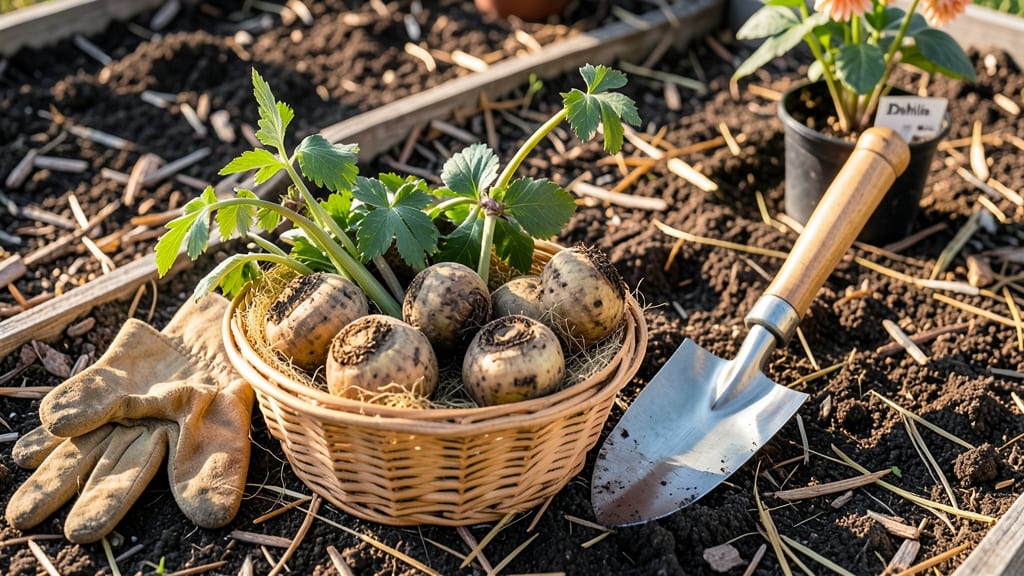
Planting dahlia bulbs in Oregon at the wrong time can turn your summer garden into a sad, frost-nibbled mess—but timing it right guarantees stunning 🌼 blooms from July through September.
The key isn't just waiting for spring; it's understanding your USDA Zone 7b-8a microclimate, whether you're in the Willamette Valley or Eastern Oregon.
Most gardeners wait until after the last frost (typically mid-April), but that's just the start. Soil temperature matters more—dahlias need consistent warmth above 60°F to thrive. In coastal areas, that could mean waiting until early May, while inland zones might be ready by late April.
I've learned the hard way that rushing leads to leggy, weak plants, while waiting too long cuts your blooming season short. That's why I'll walk you through the exact signs to watch for—from native tree leaf-out to soil thermometer checks—so you can plant with confidence.
Ready to transform your garden? Let's dive into Oregon's frost-free timeline and the simple adjustments that'll have your dahlias flourishing exactly when they should.
Oregon’s frost-free timeline for planting dahlia bulbs (Zone 7b-8a guide)
Oregon’s USDA Zones 7b-8a offer a 165-day frost-free window, but timing matters—plant dahlia tubers too early and risk frost damage; too late, and you’ll miss peak summer blooms.
The ideal window spans late April to early June, but your exact timing depends on microclimates like the Willamette Valley (warmer) versus Eastern Oregon (cooler).
Dahlias thrive when soil temperatures hit 55°F+, signaling root growth. In Zone 7b (e.g., Portland), aim for mid-April to May 15; in Zone 8a (e.g., Medford), you can start as early as late March.
Use a soil thermometer to confirm readiness—this beats guessing based on calendar dates alone.
Here’s your week-by-week Oregon planting timeline, accounting for frost risks and soil warmth. Adjust for late springs by using row covers or cold frames to push your window earlier.
| Stage | Action | Zone 7b (Portland) | Zone 8a (Medford) |
|---|---|---|---|
| Soil Prep | Test soil pH (6.0–7.0), amend with compost | Early April | Late March |
| Chit Tubers | Place in bright light (60°F+ for 2 weeks) | Mid-March | Early March |
| Planting Window | Soil 55°F+, last frost passed | Mid-April–May 15 | Late March–April 30 |
| Post-Planting | Water deeply, mulch (2–3 inches) | All zones | All zones |
| First Blooms | Expect 90–120 days after planting | July–August | June–July |
🌱 Pro Tip: Coastal Oregon (e.g., Astoria) may delay planting by 2–3 weeks due to cooler soils.
If your spring arrives late (like 2021’s frost in May), don’t panic. Container-grown dahlias can be planted as late as June 1 in Zone 7b, though they’ll bloom 4–6 weeks later.
For extra protection, use black plastic mulch to warm soil faster—this can shave off 1–2 weeks of waiting.
Eastern Oregon’s high desert (e.g., Bend) faces different risks: hot days and cold nights can stress young tubers. Here, plant on cloudy days or use shade cloth until roots establish. Monitor nighttime temps—dahlias tolerate down to 40°F, but prolonged 32°F will damage foliage.
For Willamette Valley gardeners, leverage your mild winters by starting tubers indoors in February (place in a sunny window or under grow lights). Transplant 2–3 weeks before your target outdoor date to give roots a head start. This trick ensures earlier blooms and a longer display.
Remember: Dahlias are hungry feeders. Once planted, side-dress with 5-10-10 fertilizer every 4–6 weeks to fuel those 6-foot stems. Pair this with consistent watering (1 inch per week) to prevent bud drop—a common issue in Oregon’s summer droughts.
Track your local last frost date via the Old Farmer’s Almanac or Oregon State University’s frost maps. Bookmark these for future seasons! With this timeline, you’ll avoid the #1 mistake: planting too early and losing your investment to frost.
Now that you’ve got the timing down, stay tuned for 5 critical signs your Oregon garden is truly ready for dahlias—beyond just checking the calendar. 🌼
5 Critical signs your Oregon garden is ready for dahlia bulbs (beyond dates)
Relying on calendar dates alone can backfire in Oregon’s variable climate. Instead, watch for these 5 natural indicators that your garden is truly ready for dahlia tubers—regardless of whether it’s April or May. These signs account for microclimates, soil warmth, and local weather patterns that calendars can’t predict.
First, check the leaf-out timing of native trees like black cottonwood or bigleaf maple. When their leaves fully emerge (usually late April to early May in most of Oregon), it’s a reliable signal that nighttime temperatures are consistently above 40°F, reducing frost risk for dahlias.
Next, perform the soil warmth test using a simple thermometer. Dahlias thrive when soil reaches 60°F at 4 inches deep. In Oregon’s Willamette Valley, this typically happens by mid-May, while Eastern Oregon may wait until early June.
Stick the thermometer in the ground for 30 minutes to get an accurate reading.
- Native trees leaf out: Black cottonwood or maple leaves fully unfurl (late April–early May).
- Soil reaches 60°F: Test at 4" depth with a thermometer (use a soil probe for accuracy).
- Daytime highs stay above 55°F: Check your local NOAA forecast for 5-day trends.
- No more ground frost: Monitor Oregon State University’s frost maps or use a frost alarm for 2 weeks.
- Dormant bulbs sprout indoors: If your tubers show green shoots in pots, your outdoor soil is likely warm enough.
Pay attention to daytime highs too. When temperatures consistently stay above 55°F for 5+ days, it’s a green light for planting. Use the NOAA Climate Data tool to track trends in your specific area—Portland’s urban heat island may warm up faster than rural USDA Zone 7b areas like Corvallis.
For coastal Oregon gardeners (e.g., Astoria or Cannon Beach), add an extra week to these timelines. Coastal areas often experience delayed soil warming due to marine influence. If you’re unsure, opt for container planting—pots warm up faster and let you move dahlias indoors if late frosts hit.
Finally, test your garden’s readiness with a dormant tuber sprout test. Place a few tubers in pots indoors under grow lights. If they sprout 2-3 inches of green growth within 2 weeks, your outdoor soil is likely warm enough.
This method works especially well for late-spring gardeners in Zone 7b who face unpredictable weather.