
Plants
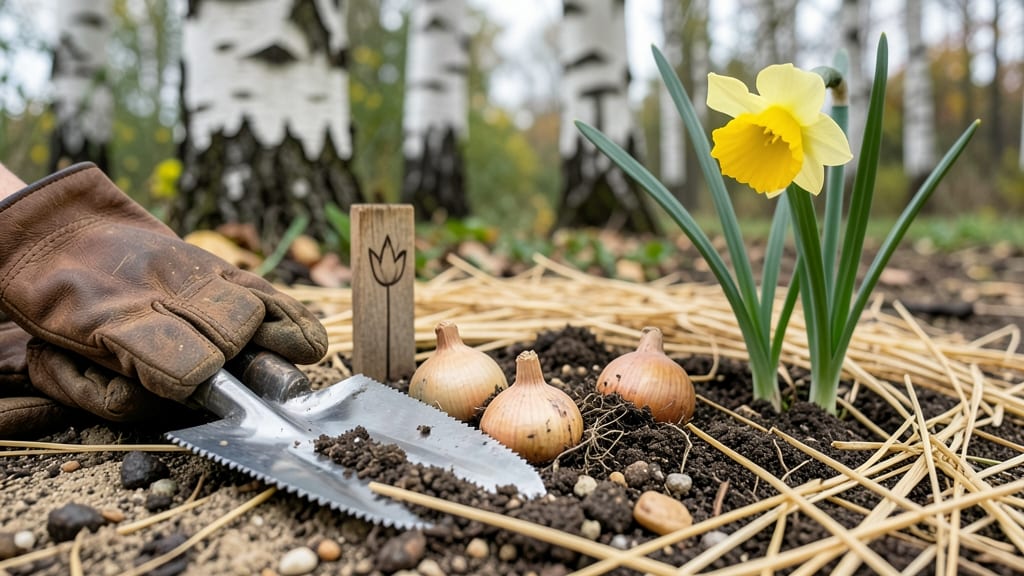
Planting daffodils in New York at the wrong time can leave you staring at bare soil come spring—unless you nail the chill-hour window and frost dates. These hardy blooms 🌼 need 10-15 weeks of winter cold to wake up right, and New York’s unpredictable freezes make timing everything.
Most gardeners in USDA Zone 6a swear by fall planting, but whether you’re in Upstate or NYC, the ideal window shifts. Too early, and bulbs rot; too late, and they won’t root before winter.
I’ll break down the exact months—and why October is your golden ticket for vibrant blooms next April.
Here’s the game-changer: even if your first frost hits early, you can still plant 4-6 weeks before the ground freezes. We’ll cover soil prep tricks for New York’s heavy clay, how to adjust for late winters, and whether spring planting is worth the risk.
Skip the guesswork—let’s get those daffodils in the ground the right way.
Ready to avoid the most common mistakes? From mulching depth to frost protection hacks, I’ve tested what works in my own garden. By the end, you’ll know exactly when to dig—and how to keep your daffodils thriving year after year.
New York’s chill-hour requirements for daffodil bulbs: the science behind timing
Daffodils thrive on 10-15 weeks of cold temperatures between 32–45°F—a process called vernalization. In New York’s USDA zones 3-7, this means planting bulbs when daytime temps hover around 50°F and nights dip below freezing.
Without enough chill hours, your daffodils may bloom poorly or not at all. The key is understanding how your region’s microclimate affects this window.
Upstate New York (zones 4-5) typically gets more chill hours earlier than NYC (zone 6b-7a), which can delay planting by 2-3 weeks. For example, Albany averages 1,800 chill hours by mid-October, while New York City hits the same mark closer to early November.
Late varieties like ‘Ice Follies’ need more chill hours (15+ weeks), while early bloomers like ‘Tête-à-Tête’ thrive with just 10 weeks of cold.
If you miss the fall window, you can pre-chill bulbs indoors for 6-8 weeks in a refrigerator (set to 35–40°F). Place them in a paper bag with sphagnum moss to maintain humidity.
This mimics winter conditions and tricks bulbs into thinking they’ve experienced the required cold. Just avoid freezing them—0°F or below can damage the bulbs.
New York’s first hard frost usually arrives between October 15–25, but this varies by year. For best results, plant bulbs 4-6 weeks before the ground freezes—this gives roots time to establish before winter.
In zone 6a (NYC), aim for mid-October; in zone 5 (Upstate), early October works. Late plantings (after November) risk poor root growth, leading to smaller blooms or no flowers at all.
🌼 Daffodil Chill-Hour Requirements by Variety
| Variety | Chill Hours Needed | Best Planting Window (NY) | Notes |
|---|---|---|---|
| Tête-à-Tête (Dwarf) | 1,000–1,200 | Late Sept–Nov | Early bloomer; tolerates partial shade |
| Ice Follies (Standard) | 1,500–1,800 | Early Oct–Nov | Needs full sun; late-season bloom |
| Thalia (Large Cup) | 1,200–1,500 | Mid-Oct–Nov | Tolerates clay soil; tall stems |
| Carlton (Poeticus) | 1,300–1,600 | Late Sept–Oct | Fragrant; prefers well-draining soil |
📌 Pro Tip: Use a soil thermometer to confirm ground temps are below 60°F before planting.
New York’s soil temperature plays a bigger role than air temperature. Bulbs should go into cooler soil (50–60°F) to prevent premature sprouting. In zone 5 (Upstate), soil may drop to planting-ready temps by early October, while zone 7 (Long Island) might wait until mid-November.
Test your soil with a thermometer—if it’s still above 60°F, wait a week or two.
For container gardening, chill bulbs indoors as described earlier. Place pots in a cool basement or unheated garage (but avoid freezing temps). Once planted, move containers to a bright, cool location (like a garage with windows) until spring. This mimics outdoor conditions and ensures blooms on schedule.
If you’re in a warmer microclimate (e.g., NYC rooftops or urban heat islands), plant bulbs later in November to delay sprouting until spring. Use black plastic mulch to absorb heat and keep soil temps stable. Conversely, in colder Upstate areas, plant by mid-October to avoid ground freeze.
Remember: Daffodils planted in fall produce larger blooms than spring-planted bulbs because they establish roots during winter. Spring planting is only a backup—bulbs may take 1-2 years to bloom if roots don’t develop properly. For guaranteed results, stick to the fall timeline and adjust based on your USDA zone.
Best planting months in New York by region: fall vs. spring strategies
New York’s diverse climate means planting daffodils in Upstate differs from NYC or Long Island. The key is planting 4-6 weeks before ground freezes, but exact timing varies by region.
For Upstate NY (Zones 4-5), aim for late September to early October—earlier than coastal areas. This gives bulbs time to root before first frost around October 20.
In NYC (Zone 7a), wait until mid-October to November to avoid early frosts. Long Island’s Zone 7b extends the window to November, but plant by December 1 to ensure bulbs establish roots before winter.
Spring planting is possible but less reliable—only attempt it if you pre-chill bulbs for 8-10 weeks in the fridge.
Soil prep is critical. Amend clay-heavy NYC soils with compost to improve drainage. In Upstate areas, focus on well-draining soil to prevent bulb rot. Test soil pH (6.0-7.0) and add lime if needed. Mulch with 2-3 inches of straw after planting to insulate bulbs during winter.
Here’s how regional timing affects blooms: Upstate daffodils often bloom 2-3 weeks earlier than NYC varieties due to colder winters. Late frosts (April 15) can damage emerging shoots, so use row covers if frost warnings appear. In coastal areas, Long Island sees later blooms due to milder winters.
Fall vs. Spring Planting: Pros & Cons
Fall Planting
- ✅ Bigger blooms (bulbs establish roots before winter)
- ✅ Lower risk of bulb rot (ground is cooler)
- ✅ Natural chill period met by winter
Spring Planting
- ⚠️ Smaller blooms (less root growth before summer)
- ⚠️ Higher rot risk (warmer soil speeds decay)
- ⚠️ Requires pre-chilling (8-10 weeks in fridge)
For late winters, adjust planting dates by 2-3 weeks later. If your area experiences unusually warm Octobers, hold off until soil temps drop below 60°F. In NYC’s urban heat islands, soil stays warmer longer—plant 2 weeks later than rural areas to avoid premature sprouting.
Pro tip: Mark your planting dates on a calendar and track local frost dates via the National Weather Service. This ensures you’re always 6 weeks out from frost. For container gardening, plant in October and move pots to a garage or shed if temperatures drop below 20°F.