
Plants
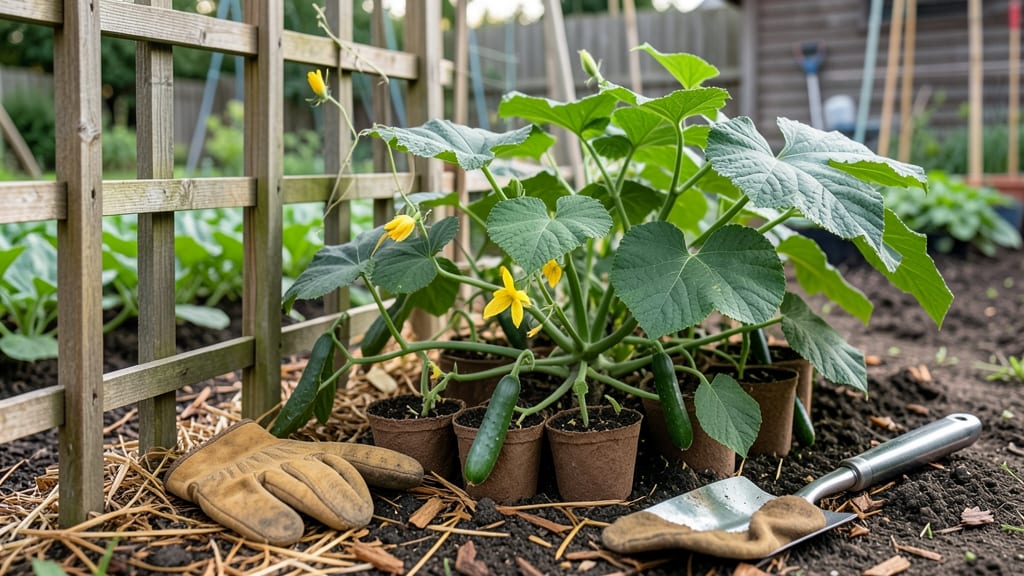
Planting cucumbers in Central Florida isn’t just about throwing seeds in the dirt—it’s about catching that sweet spot between soil warmth and the start of summer’s relentless heat. Skip the guesswork, and you’ll miss out on fast germination and a bumper harvest of crisp 🥒s. The key?
Waiting until the ground hits 60°F or warmer, which in this region means aiming for late February to early March for spring plantings.
Why does timing matter so much? Because cucumbers are picky—too cold, and they’ll sulk in the soil; too hot, and they’ll bolt before you even see a vine. Central Florida’s 9a-10a climate gives you two chances a year to nail it: spring and fall.
But coastal areas like Tampa might need a slightly earlier start than inland spots like Orlando, where the heat arrives a little later.
Here’s the game-changer: pairing your planting window with soil prep. Amend that sandy Florida dirt with compost, mulch to lock in heat, and maybe even a row cover for those unpredictable January chills.
Do it right, and you’ll be harvesting plump, sweet cucumbers by April—just in time to beat the summer’s worst humidity.
I’ll show you exactly how to time it down to the week, plus the best varieties for this climate and tricks to keep your plants thriving. Let’s get those cucumbers growing like they’re in a greenhouse—without the fuss.
Central Florida cucumber planting calendar: soil temperature triggers for fast germination
Central Florida’s mild winters and long growing season mean cucumbers thrive here—but only if you time your planting right. Unlike northern climates, we don’t have to worry about hard frosts, but soil temperature still dictates germination success.
Cucumbers need soil that’s at least 60°F to sprout reliably, with 70°F+ for rapid growth. Miss these triggers, and you’ll face slow starts or stunted plants.
Most Central Floridians focus on spring planting (February–March), but fall planting (August–September) often yields sweeter cucumbers thanks to cooler temps. The key? Monitoring soil—not air—temperature. A simple soil thermometer (just $10) will save you from guessing.
In Orlando and Ocala, soil warms faster in March, while Tampa’s coastal areas stay cooler longer due to humidity.
🌱 Central Florida Cucumber Planting Timeline
| Season | Planting Window | Soil Temp Requirement | Key Notes |
|---|---|---|---|
| Spring | Mid-February to Early March | 60°F+ (daytime) | Peak harvest: April–May. Use row covers if nights dip below 50°F. |
| Fall | Late August to Early September | 65°F+ (daytime) | Harvest extends into November. Avoid planting after mid-September if humidity spikes. |
| Summer (Risky) | June–July | 75°F+ (with shade) | Possible but requires shade cloth and extra water. Yields may be lower. |
💡 Pro Tip: For coastal areas (Tampa/St. Pete), wait 1–2 weeks longer than inland zones—humidity delays soil warming.
If you’re starting seeds indoors, begin them 4–6 weeks before your target outdoor date. Use a heat mat to maintain 75°F soil temps for faster germination. Seedlings are frost-sensitive, so avoid transplanting until all danger of light frosts (January) has passed.
In Ocala’s higher elevations, you can plant 2 weeks earlier than Tampa due to faster soil warming.
For container growing, soil heats up 3–5°F faster than in-ground beds. Place pots in full sun and use black fabric pots to absorb heat. Just be ready to water daily—containers dry out quickly in Central Florida’s 90°F+ afternoons.
I’ve had success with ‘Spacemaster’ cucumbers in 5-gallon pots on my balcony, harvesting for 3 months straight.
Watch for false starts: seeds may sprout when soil hits 50°F, but true growth stalls until 60°F. If your seedlings look leggy or pale, they’re not getting enough light or warmth.
In shady spots, supplement with a grow light or move containers to sunnier locations. Central Florida’s summer shade trees can drop soil temps 10°F+ under their canopies.
Don’t overlook microclimates. A south-facing wall can create a 5°F warmer zone perfect for early cucumbers. I planted ‘Sweet Success’ cucumbers against my brick fence in late January and had market-ready fruits by March.
Just mulch heavily to retain that warmth. For urban gardeners, rooftop gardens often stay 5–10°F cooler than ground-level beds—adjust your planting date accordingly.
Finally, succession planting extends your harvest. Sow new seeds every 2 weeks from February to April for a continuous supply. In fall, repeat the process from August through September. This works especially well for bush varieties like ‘Bush Champion,’ which mature faster in Central Florida’s heat.
Just remember: overcrowding leads to powdery mildew, so space plants 12–24 inches apart depending on the variety.
🌿 Key Takeaway: Time your planting to soil temps of 60°F+, adjust for microclimates, and succession plant for a long harvest. With these triggers, you’ll beat the heat and humidity to grow crisp, disease-resistant cucumbers all season.
How to prepare your Central Florida soil for cucumber success: pH, drainage, and warmth tips
Central Florida’s sandy soil and occasional clay pockets can slow cucumber germination if not prepped correctly. The key is creating a warm, well-draining environment with the right pH balance—ideally between 6.0 and 6.8—to unlock explosive growth.
Without proper prep, your cucumbers might struggle with poor root development or disease susceptibility.
Start by testing your soil’s pH levels using a simple kit from your local garden center. If your soil tests too acidic (<6.0), mix in lime (1–2 pounds per 100 sq ft) 2–3 months before planting.
For alkaline soil (>6.8), incorporate sulfur or peat moss to lower the pH gradually. Organic matter is non-negotiable—aim for 3–5 inches of compost or well-rotted manure worked into the top 12 inches of soil.
⚠️ Callout Warning
Cold soil = slow germination. Cucumbers need soil temps of at least 60°F to sprout. If your soil is cooler (common in early spring), use black plastic mulch or row covers to warm it faster. Avoid planting in waterlogged areas—cucumbers hate soggy roots!
Drainage is another critical factor in Central Florida. If your yard has heavy clay, amend the soil with sand or perlite to improve aeration. For sandy soil, mix in compost or coconut coir to retain moisture without compacting.
Raised beds are a game-changer here—they warm up faster in spring and drain excess rainwater, giving cucumbers the ideal growing conditions.
To further speed up soil warming, plant cucumbers on south-facing slopes or use clear plastic tunnels to trap heat. If you’re planting in containers, choose pots with drainage holes and fill them with a 50/50 mix of potting soil and compost.
Water thoroughly before planting to help roots establish quickly in the warm soil.
Finally, mulch your cucumber beds with straw or shredded leaves to retain moisture and suppress weeds. This is especially important in Central Florida’s hot, dry summers, where mulch can reduce watering needs by up to 30%. Just avoid piling mulch directly against the stems to prevent rot.
With the right soil prep, your cucumbers will germinate in 5–7 days and start vining aggressively. The payoff? A bountiful harvest of crisp, homegrown cucumbers in just 55–70 days—perfect for Central Florida’s growing season! 🌱💧