
Trees
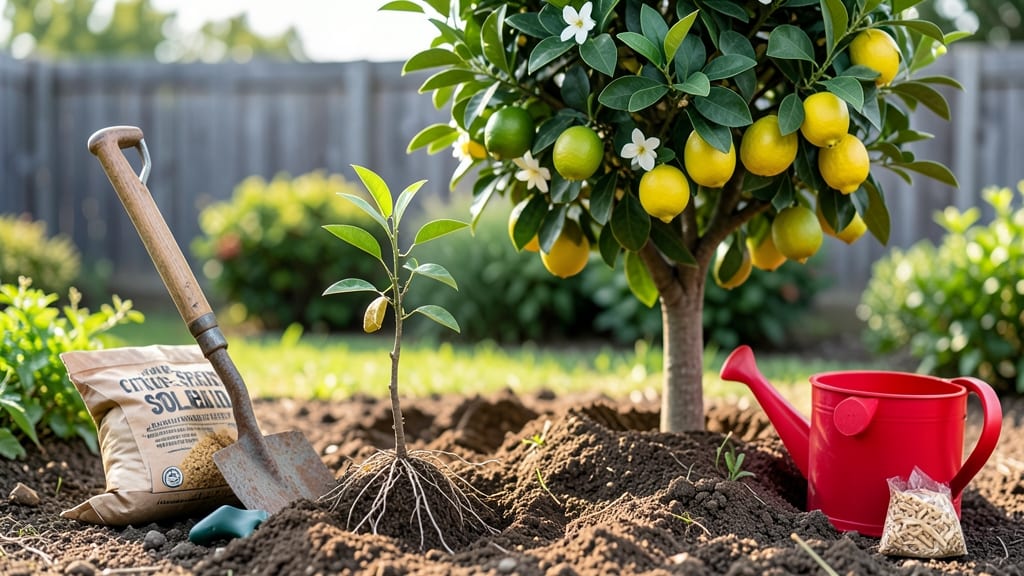
Planting your 🍊 citrus tree at the wrong time in Central Florida could mean the difference between a thriving orchard and a struggling sapling struggling to survive.
With 365 frost-free days in Zone 9b, you might think timing doesn't matter—but the secret lies in avoiding those rare cold snaps and giving roots time to establish before summer's intense heat.
If you've ever wondered why some citrus trees in your neighborhood flourish while others wilt, the answer often comes down to when they were planted.
The best months to plant in Central Florida actually align with nature's rhythm—late winter to early spring gives young trees a head start before summer's demands.
I've helped countless Central Florida gardeners get their citrus trees off to the right start, and the key is understanding how soil temperature, humidity, and even microclimates play a role.
Whether you're planting a dwarf Meyer lemon or a full-sized Valencia orange, these insights will help you choose the perfect window for success.
Let me show you exactly when to plant for maximum growth, how to prepare your soil for citrus success, and which varieties thrive best in our unique climate—so you can enjoy homegrown oranges and lemons year-round without the guesswork.
Best months to plant citrus trees in Central Florida’s climate zones
Central Florida’s USDA Hardiness Zones 8b-10a create near-perfect conditions for citrus trees, but timing still matters. Unlike tropical regions, we experience mild seasonal shifts that can affect root establishment and early growth.
The ideal planting window aligns with our warmest, frost-free months when soil temperatures stay consistently above 60°F (15°C).
While citrus trees can technically be planted year-round in Central Florida, I’ve found the best results come from planting during two optimal windows: late winter to early spring (February-March) and early fall (September-October). These periods offer balanced temperature and reduced stress for young trees.
Here’s why these months work best: In February-March, soil warms up while humidity remains moderate, giving roots time to establish before summer’s heat. Planting in September-October lets trees settle before winter’s cooler temps, though our winters rarely drop below 40°F (4°C).
🌱 Central Florida Citrus Planting Timeline
| Season | Planting Window | Soil Temp | Key Considerations |
|---|---|---|---|
| Late Winter | February-March | 60-75°F (15-24°C) | Best for root establishment before summer heat |
| Early Fall | September-October | 70-80°F (21-27°C) | Avoids summer stress and prepares for cooler months |
| Summer | June-August | 85°F+ (30°C+) | Possible transplant shock; needs extra water |
| Winter | November-January | 50-60°F (10-15°C) | Slow growth; only plant bare-root trees |
Central Florida’s microclimates play a huge role in citrus success. Coastal areas like Cocoa Beach stay warmer year-round, while inland cities like Orlando experience slightly cooler nights. If you’re in a cooler microclimate, prioritize September planting to give trees maximum time to establish before winter.
One common mistake I see is planting citrus in mid-summer (June-July) when temperatures regularly exceed 90°F (32°C). While possible, young trees struggle with transplant shock and require daily watering. If you must plant during summer, choose container-grown trees with established root systems for better survival rates.
For container citrus trees, timing is less critical since you can move pots indoors during extreme heat. However, I still recommend spring or fall planting for best results. Containers dry out faster in summer, requiring daily watering—something many gardeners overlook.
Central Florida’s humidity levels also affect planting success. High humidity in summer can promote fungal diseases like citrus greening, while winter’s drier air reduces disease pressure. Planting in fall gives trees time to develop stronger defenses before summer’s humidity peaks.
If you’re planting multiple citrus varieties, stagger your planting schedule. For example, plant lemon trees in February (they tolerate cooler temps better) and grapefruit trees in September (they need more time to establish before winter). This approach maximizes your harvest potential across seasons.
Remember that Central Florida’s frost risk is minimal, but unexpected cold snaps can still occur. If planting in late fall (November-December), choose cold-hardy varieties like Sour Orange or Calamondin, which tolerate brief dips to 28°F (-2°C).
For tropical varieties like Meyer lemons, always plant in spring.
Pro tip: Check the 10-day forecast before planting. Avoid scheduling your citrus planting during predicted rain events—wet soil can suffocate roots and delay establishment. Aim for clear, sunny days with moderate temperatures between 70-80°F (21-
Citrus tree varieties and their ideal planting timelines in Central Florida
Central Florida’s mild winters and humid summers create perfect conditions for citrus trees, but not all varieties thrive year-round. Some cold-hardy hybrids like Sour Orange or Calamondin can handle brief dips below freezing, while tropical varieties like Valencia oranges need extra protection.
Timing your planting around these differences ensures your trees grow strong and productive.
For tropical citrus such as Meyer lemons or Grapefruits, aim for late winter to early spring (February-March).
This window allows roots to establish before summer’s heat, while avoiding late-spring frost risks in Zone 9b. Cold-hardy varieties, however, can be planted year-round, though September-October is ideal for fall root growth before winter.
🌱
If you’re planting container citrus, timing matters less—but still prioritize spring or fall. Containers dry out faster in Central Florida’s summer, so September planting lets you water less frequently while roots establish. For bearing trees, align planting with dormant seasons to avoid competing with fruit production.
Pro tip: Check your microclimate. Areas near lakes or coastal zones (like Zone 10a) can handle tropical varieties year-round, while inland Zone 9b spots need cold-hardy hybrids. Always monitor local frost alerts—even a 28°F night can damage young trees.
For fastest establishment, pair February-March planting with well-draining soil and regular watering. Your citrus trees will reward you with year-round harvests—starting as early as 18 months for dwarf varieties! 🍊