
Plants
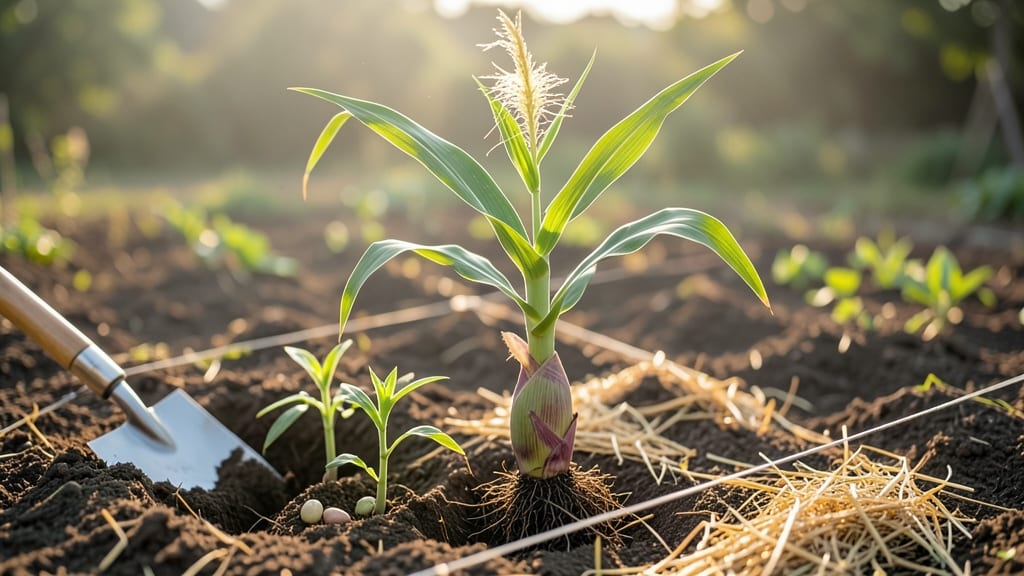
Planting corn in West Virginia at the wrong time can turn your 🌽 dreams into disappointment—especially with the state's unpredictable spring weather and varied elevation zones.
The difference between a thriving crop and a failed one often comes down to knowing exactly when to drop those seeds into the soil, whether you're in the lowlands or high mountain regions.
If you've ever wondered why some gardeners in your area get abundant harvests while others struggle, timing is the key. West Virginia's USDA Zone 6a climate means you need to pay close attention to frost dates and soil temperatures.
I'll show you exactly when to plant for the best results, no matter where you live in the state.
For most gardeners, the ideal window runs from mid-April to early May, but that changes if you're above 3,000 feet in elevation. We'll break down the exact frost-free windows for lowland, mid-elevation, and highland zones so you can pick the perfect moment to start your corn.
Ready to grow corn that reaches its full potential? Let's dive into the region-specific strategies that will help you avoid common mistakes and maximize your harvest from late July through October.
West Virginia corn planting dates by elevation Zone (2024 guide)
West Virginia’s diverse elevations create three distinct planting zones for corn. Lowland areas (under 1,500 ft) enjoy longer growing seasons, while highland regions (above 3,000 ft) face shorter frost-free periods. Timing your planting to match your elevation ensures healthy maturity and avoids frost damage.
For all zones, wait until soil temperatures reach 60°F—use a soil thermometer to confirm. Corn seeds won’t germinate below 50°F, and cooler soils slow growth. In West Virginia, this typically aligns with mid-April to early May, but elevation shifts these windows significantly.
Here’s how to align your planting with West Virginia’s three elevation zones:
| Zone | Elevation | Last Frost Date | Planting Window | Heat Units Needed | Recommended Variety |
|---|---|---|---|---|---|
| Lowland | Under 1,500 ft | April 1–15 | April 15–May 10 | 2,800–3,000 | Silver Queen, Peaches & Cream |
| Mid-Elevation | 1,500–3,000 ft | April 15–May 1 | May 1–15 | 2,500–2,700 | Early Sunglow, Bodacious |
| Highland | Above 3,000 ft | May 1–15 | May 15–30 | 2,200–2,400 | Early Golden Bantam, Quickie |
🌽 Heat units = Days × (Average daily temp – 50°F). Use short-season varieties in highlands.
Lowland gardeners can plant earlier and longer, even stretching into early June for succession planting. These areas benefit from longer daylight hours and warmer soils. Choose late-maturing varieties like Silver Queen for full-size ears.
Mid-elevation zones (common in the New River Valley or Charleston area) strike a balance. Plant mid-season varieties like Bodacious to ensure maturity before the first frost, typically around October 15. Use black plastic mulch to warm soil faster and extend the season.
Highland regions (like Pocahontas County) demand early-maturing, cold-tolerant varieties. Quickie corn, with a 60-day maturity, thrives here. Plant no later than May 30 to avoid frost. Consider row covers for extra protection during unpredictable late springs.
Always check your local USDA Plant Hardiness Zone (West Virginia is mostly Zone 6a) and adjust for microclimates. A south-facing slope warms faster than a north-facing valley, so plant earlier in sun-exposed areas.
For precise timing, track soil temperatures and frost forecasts via the West Virginia State Climate Office. Their frost-free date maps update annually—bookmark them before planting!
West Virginia corn planting dates by elevation Zone (2024 guide)
West Virginia’s diverse elevation zones create unique planting challenges for corn. Lowland areas (under 1,500 feet) enjoy longer growing seasons, while highland zones (above 3,000 feet) face shorter frost-free periods.
To maximize your harvest, align planting dates with last frost averages and heat unit requirements—corn needs 1,200–1,500 growing degree days to mature.
For lowland zones, aim to plant corn between mid-April and early May, when soil temperatures consistently reach 60°F. This timing ensures enough warmth for germination and a 165-day growing season before the first frost.
In mid-elevation areas (1,500–3,000 ft), delay planting until late April to early May to avoid frost damage, as cooler nights slow growth.
Highland zones (above 3,000 feet) require the most caution. Plant only after May 10, using early-maturing varieties like ‘Early Sunglow’ (60 days) to fit within the 120–130-day frost-free window. These areas also benefit from black plastic mulch to warm the soil faster.
🌽 West Virginia Corn Planting Guide by Elevation
| Elevation Zone | Planting Window | Last Frost Date | Recommended Variety | Days to Maturity |
|---|---|---|---|---|
| Lowland (<1,500 ft) | Mid-April to early May | April 15 | ‘Silver Queen’ or ‘Peaches and Cream’ | 90–110 days |
| Mid-Elevation (1,500–3,000 ft) | Late April to early May | May 1 | ‘Ambrosia’ or ‘Bodacious’ | 85–100 days |
| Highland (>3,000 ft) | After May 10 | May 15 | ‘Early Sunglow’ or ‘Golden Bantam’ | 60–80 days |
💡 Pro Tip: Use a soil thermometer to confirm 60°F+ soil temps before planting.
If you’re unsure about your elevation’s last frost date, check local USDA Plant Hardiness Zone maps or ask your county extension office. For example, Charleston (Zone 7a) has a later last frost (April 1) than Elkins (Zone 6a), which averages May 1.
Adjust planting dates accordingly to avoid late-spring frosts that can stunt young corn.
For succession planting, sow a second crop 2–3 weeks after the first in lowland zones. This ensures a staggered harvest and maximizes your garden’s productivity. In highland areas, focus on one early-maturing variety to guarantee at least a partial harvest before frost.
Always test your soil’s pH (6.0–6.8) and add compost or aged manure before planting. Corn is a heavy feeder, so enriching the soil prevents nutrient deficiencies like yellowing leaves or poor ear development.