
Plants
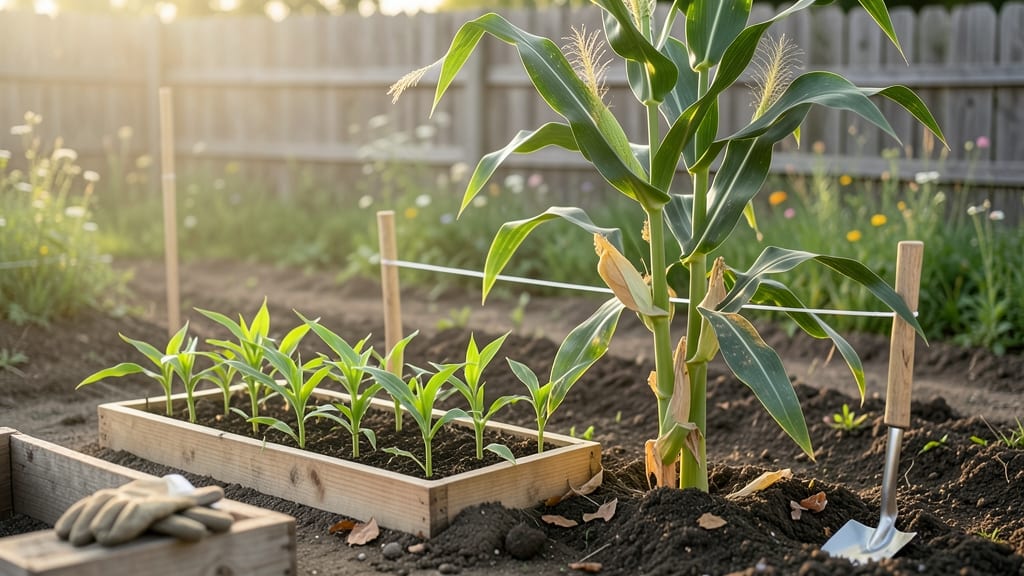
Planting corn in Virginia at the wrong time can mean the difference between a bumper crop of sweet 🌽 and sad, stunted stalks that never produce.
The key isn't just waiting for spring—it's understanding when your soil warms enough to support those hungry seedlings, because cold ground will leave them struggling for weeks.
Most Virginia gardeners know the general rule: after the last frost, which typically lands between mid-April and early May depending on your zone.
But what you might not realize is that soil temperature matters just as much as air temperature—corn needs the ground to hit at least 60°F before you even think about dropping seeds in. In cooler zones like 6a, that could push your planting window into late May.
This guide will walk you through exactly when to plant based on your specific Virginia region, how to tell if your soil is ready, and which varieties thrive in our short growing season.
Whether you're in Tidewater's humid coastal areas or the Shenandoah Valley's cooler highlands, we'll cover the timing tricks that keep your corn growing strong from July through October.
Ready to avoid the most common mistakes? We'll show you how to spot frost damage early, adjust for drought conditions, and even squeeze in a second planting for an extended harvest. Let's get those kernels popping!
Virginia corn planting timeline by region: frost dates & soil temperature zones
Virginia’s diverse climate zones mean your corn planting timeline should align with your specific region. Whether you’re in the Tidewater coastal area, the Piedmont rolling hills, the Shenandoah Valley, or the Southwest plains, each zone has unique frost risks and soil warming patterns.
The key to success? Planting when soil temperatures consistently reach 60°F—corn seeds won’t sprout in cold soil, no matter how eager you are!
Most Virginia gardeners aim to plant corn between mid-April and late May, but these dates shift based on your last frost date and soil warmth.
For example, the Shenandoah Valley typically sees its last frost by April 15, while Tidewater areas might wait until mid-May due to slower soil warming near the coast. Always check your local USDA Plant Hardiness Zone (Virginia ranges from 6a to 8a) for precise guidance.
Here’s how Virginia’s regions compare for corn planting:
| Region | Last Frost Date | Ideal Planting Window | Soil Temp Goal | Early Variety Deadline |
|---|---|---|---|---|
| Tidewater (Zone 8a) | Mid-May | Late May | 60–65°F | June 1 |
| Piedmont (Zone 7a–7b) | Early April | Mid-April to May 15 | 60–70°F | May 10 |
| Shenandoah Valley (Zone 6a–7a) | April 15 | April 20 to May 1 | 60–75°F | April 30 |
| Southwest (Zone 7b–8a) | Late April | Early May | 65–80°F | May 15 |
Pro tip: Use a soil thermometer to confirm your soil is warm enough before planting. Corn seeds need consistent warmth to germinate—if your soil is still chilly at night, wait a few more days.
In cooler zones like the Shenandoah Valley, consider using black plastic mulch to speed up soil warming by 5–10°F.
For gardeners in Zone 6a (like parts of the Shenandoah Valley), choose early-maturing varieties (60–70 days to harvest) to avoid fall frosts. Late-season varieties (90+ days) are better suited for Zone 8a areas with longer growing seasons.
Always check the days to maturity on seed packets and count backward from your first frost date (typically mid-October in Virginia).
If you’re in a transition zone (e.g., Northern Virginia), err on the side of planting slightly later. A late frost in April can wipe out young corn plants, and they’re extremely sensitive to cold snaps.
For extra protection, use row covers or plant near a south-facing fence to create a microclimate that warms faster.
Remember: Corn thrives in warm soil and full sun, so don’t rush the process. The 140–160 frost-free days in Virginia are your golden window—use them wisely! 🌽
How to time corn planting for maximum yield: soil prep & variety selection
Corn thrives in Virginia’s warm climate, but soil temperature and variety selection directly impact your harvest. Aim for soil temps of 60–85°F—cold soil slows germination, while overheated soil can stress young plants.
Test your soil’s warmth with a soil thermometer before planting; if it’s below 60°F, wait or use black plastic mulch to warm it faster.
Virginia’s short growing season in higher elevations (like the Shenandoah Valley) demands early-maturing varieties (60–70 days to harvest), while coastal regions can handle longer-season types (90+ days). For example, ‘Silver Queen’ (70 days) works statewide, while ‘Peaches & Cream’ (85 days) suits milder zones like Tidewater.
🌱 Direct sowing is best for corn—transplants struggle with root shock. Plant seeds 1 inch deep, spacing them 4–6 inches apart in rows 30 inches apart.
This spacing allows ears to develop fully and reduces disease risk from poor airflow. Use a planting board or stakes to mark rows for precision.
🌽 Key Steps for Maximum Yield
- 1. Test soil pH (aim for 6.0–6.8); amend with lime if needed.
- 2. Add compost or aged manure 2–3 weeks before planting for nitrogen.
- 3. Use black plastic mulch to warm soil 5–10°F faster in early spring.
- 4. Plant after last frost (check local frost dates—typically mid-April in most of VA).
- 5. Thin seedlings to 12 inches apart when 6 inches tall for better ear development.
- 6. Fertilize lightly with 10-10-10 at planting and again at tasseling.
For extended harvests, try succession planting every 2 weeks in May. Choose a mix of early, mid-, and late-season varieties to stagger maturity. For example, plant ‘Early Sunglow’ (65 days) in early May, followed by ‘Bodacious’ (80 days) in late May.
This ensures ears ripen over 6–8 weeks, maximizing your yield.
💡 Pro tip: If your season is short, opt for bush corn varieties like ‘Golden Bantam’, which grow 3–5 feet tall (half the height of standard corn) and mature faster.
These are perfect for containers or small gardens. Pair them with pollination-friendly neighbors like beans or marigolds to boost yields.
Finally, monitor soil moisture closely after planting—corn roots need consistent water (1–2 inches per week) but hate soggy soil. Use drip irrigation or soaker hoses to deliver water directly to roots, reducing fungal diseases like corn smut.
Mulch with straw to retain moisture and suppress weeds, which compete for nutrients.