
Plants
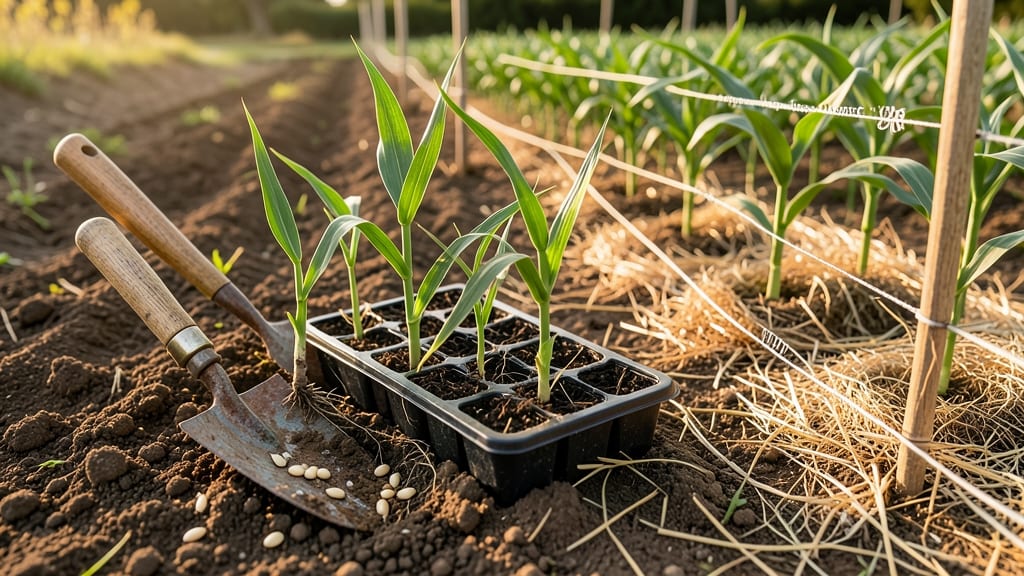
Planting corn in Arkansas at the wrong time can mean the difference between a bountiful harvest and wasted effort—especially when frost dates and soil temperatures play such a critical role. With Arkansas's 7a-8a climate zones and unpredictable spring weather, getting the timing right is everything for your 🌽 crop.
Most Arkansas gardeners aim to plant corn between mid-April and early June, but the exact window depends on your region's last frost date and soil warmth. Too early, and frost will kill tender seedlings; too late, and summer heat can stress plants before they mature.
The key is waiting until soil temperatures hit at least 60°F—a threshold that varies by county.
In this guide, I’ll break down the ideal planting timeline for Arkansas’s five distinct regions, including soil prep tips and how to adjust for late frosts or drought.
Whether you're in the Delta or the Ozarks, you’ll learn exactly when to put those seeds in the ground for the best chance at plump, sweet ears.
Ready to avoid common mistakes and maximize your corn yield? Let’s dive into the perfect planting schedule tailored to Arkansas’s unique growing conditions.
Arkansas corn planting dates by region: frost-free zones & soil temperature maps
Arkansas' diverse climate means corn planting dates vary dramatically across the state. The Northwest region (like Bentonville) has earlier frost-free windows, while the Delta region (like Helena) can plant weeks later.
Understanding your USDA Zone (7a-8a) and soil temperature thresholds is critical—corn seeds need 50°F+ soil to germinate, but optimal growth starts at 60°F+.
I always check my local frost dates from the Arkansas Agricultural Extension Service—they provide the most reliable data. For example, Little Rock (Zone 7b) typically sees its last frost around March 15, while Jonesboro (Zone 7a) might wait until March 25.
These dates determine when to start seeds indoors (4-6 weeks before last frost) or plant directly outdoors.
Here’s how Arkansas breaks down by region for direct outdoor planting (not starter plants):
| Region | Last Frost Date | Planting Window | Soil Temp Goal | Notes |
|---|---|---|---|---|
| Northwest (Fayetteville) | March 10–15 | Mid-April to early May | 60°F+ | Cool springs; use black plastic mulch |
| Ozarks (Eureka Springs) | March 15–20 | Late April to early May | 55°F+ | Higher elevation; shorter season |
| Central (Little Rock) | March 15 | Early April to mid-May | 58°F+ | Moderate climate; versatile varieties |
| Delta (Helena) | March 20–April 1 | Late April to early June | 60°F+ | Hotter; drought-resistant varieties recommended |
| Southeast (Jonesboro) | March 25–April 5 | Early May to early June | 62°F+ | Humid; watch for fungal diseases |
For successful germination, I always verify soil temperature with a soil thermometer—corn seeds planted in cold soil (<50°F) may rot instead of sprouting. In Zone 7a (like the Ozarks), I often use black plastic mulch to warm the soil faster, especially in April plantings.
This trick adds 5–10°F to soil temperature, speeding up growth.
Pro tip: Succession planting is key in Arkansas. Plant 3-week intervals from April to June to ensure a continuous harvest. For example, if you plant Silver Queen corn
How to time corn planting for maximum yield: soil prep & seedling success tips
Timing your corn planting in Arkansas isn’t just about avoiding frost—it’s about giving your plants the perfect soil temperature and nutrient-rich environment to thrive.
Corn seeds need soil that’s warmed to at least 60°F to germinate properly, and Arkansas’ variable climate means you’ll need to adapt based on your region’s last frost date and soil type.
Start by testing your soil pH—corn prefers a slightly acidic range of 6.0 to 6.5. If your soil is too alkaline, amend it with sulfur or peat moss before planting.
Arkansas’ clay-heavy soils in the Delta or sandy loams in the Ozarks both benefit from organic matter, like compost or well-rotted manure, to improve drainage and moisture retention.
To speed up soil warming, especially in cooler northern Arkansas regions, lay down black plastic mulch 1-2 weeks before planting. This simple trick can raise soil temperatures by 10-15°F, giving your seedlings a head start. Just
One of my biggest lessons from growing corn in Arkansas? Patience is key. Rushing to plant in March might save you a few weeks, but cold soil leads to slow germination and weak seedlings. Wait for that 60°F threshold, and your corn will reward you with vibrant growth and plump ears by summer.
For extra insurance, choose drought-tolerant varieties like ‘Pioneer Brand 33B38’ or ‘Silver Queen’—they handle Arkansas’ unpredictable spring showers better than standard hybrids. And if you’re planting late, opt for short-season varieties (60-70 days to maturity) to beat the first frost in October.
Pro tip: Keep a planting journal to track soil temps, rainfall, and harvest dates. Over time, you’ll fine-tune your timing to match Arkansas’ ever-changing weather patterns—because the best planting window isn’t just about the calendar, it’s about reading your soil. 🌱