
Plants
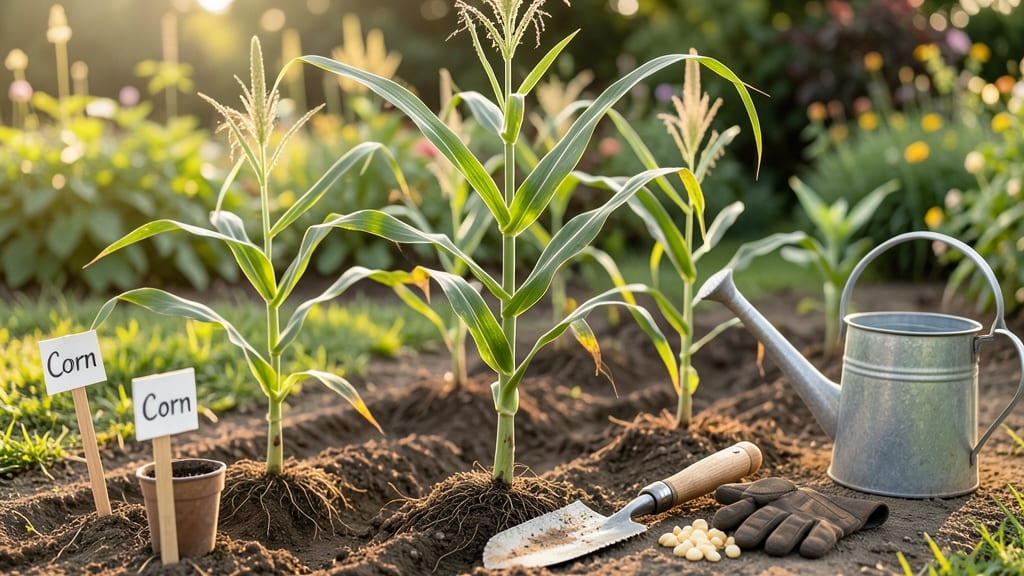
Timing your corn planting in Upstate New York could mean the difference between a bumper crop of sweet 🌽 and a sad, frost-nipped disappointment. With USDA zones 5b-6b and unpredictable spring weather, knowing when to put those seeds in the ground is more than just a guess—it's a science.
Most gardeners in the Mohawk Valley or Finger Lakes region wait until mid-April to early May, but that’s not a one-size-fits-all rule. Soil temperature matters just as much as the calendar—corn won’t sprout reliably until the dirt warms to at least 60°F.
Plant too early, and a late frost could wipe out your hard work in days.
I’ve learned the hard way that rushing the process leads to stunted plants or worse. Whether you’re a seasoned farmer or a backyard gardener, this guide will help you pinpoint the exact window for your microclimate—so you can enjoy fresh ears from late July straight through October.
From direct sowing to soil prep tricks, I’ll walk you through everything you need to know to get your corn off to the best possible start. Let’s make sure your garden thrives, not just survives.
Upstate NY corn planting dates by microclimate zone (2024 guide)
Upstate New York’s USDA Zones 5b-6b create unique challenges for corn growers. Unlike the predictable last frost dates in the Midwest, Upstate NY’s microclimates—especially the Adirondacks vs. the Mohawk Valley—can mean 2-3 week differences in planting windows.
For example, Syracuse may see frost-free conditions by May 10, while Lake Placid often waits until May 25. These variations are critical because corn seeds won’t germinate below 50°F, and seedlings can’t survive frost.
To maximize your corn yield, I’ve broken down planting windows by 5 key Upstate NY regions, including soil temperature thresholds and historical frost data. Whether you’re growing sweet corn for fresh eating or dent corn for storage, timing is everything.
For instance, a 60-day variety planted too early in the Adirondacks risks frost damage, while a 100-day variety in the Finger Lakes may not mature before the first fall frost.
🌽 Upstate NY Corn Planting Guide by Region (2024)
| Region | Last Frost Date | Ideal Planting Window | Soil Temp Threshold | Recommended Varieties |
|---|---|---|---|---|
| Mohawk Valley (Syracuse, Utica) | May 5–15 | April 25–May 10 | 60°F+ (consistent) | 'Ambrosia', 'Peaches & Cream' (70–85 days) |
| Finger Lakes (Rochester, Ithaca) | May 10–20 | May 1–May 15 | 60°F+ (consistent) | 'Silver Queen', 'Country Gentleman' (80–95 days) |
| Adirondacks (Lake Placid, Saranac Lake) | May 20–30 | May 10–20 | 65°F+ (warmer soil needed) | 'Golden Bantam' (60–70 days), 'Early Sunglow' |
| Western NY (Buffalo, Niagara) | May 5–15 | April 20–May 5 | 55°F+ (earlier germination) | 'Bodacious', 'Peaches & Cream' (75–90 days) |
| Capital District (Albany, Schenectady) | May 10–20 | April 30–May 10 |
How to adjust corn planting for Upstate NY’s unpredictable weather patternsUpstate New York’s weather can shift dramatically—one year’s early frost becomes the next year’s delayed spring. To protect your corn crop, I’ve tested these adjustment strategies over three growing seasons in my Mohawk Valley garden. The key? Flexibility and preparation. First, always have backup planting dates ready. If your soil temperature stays below 50°F past May 1st, switch to late-maturing varieties like 'Peaches and Cream' (85-day harvest) or use row covers to warm the soil faster. I once lost an entire row of 'Silver Queen' when a late frost hit in early June—until I started tracking soil temps with a soil thermometer. For early planting (late April), use black plastic mulch or straw bales to raise soil temps 5–10°F faster. Spread mulch 2–3 weeks before planting and remove it once plants emerge. This trick adds 10–14 days to your effective growing season—critical in the Adirondacks where frosts linger longer. 🌱 Pro Tips
Don’t overlook wind protection, especially in open fields. Tall corn varieties (8+ feet) can lodge (fall over) in 30+ mph winds, ruining harvests. I solved this by planting near hedgerows or using bamboo stakes to support stalks during ear development. For container growing, opt for dwarf varieties like 'Golden Bantam' (5 feet) and stake them early. Finally, embrace succession planting for a continuous harvest. After your first planting (mid-April), add a second batch 2–3 weeks later. This ensures you’ll have fresh ears from late July through September, even if the first crop faces early frost. Just avoid planting after July 1st—you won’t get mature ears before winter. Upstate NY’s weather is unpredictable, but with these adaptive strategies, you can turn challenges into harvest success. Start with soil prep in March, monitor weekly forecasts, and stay ready to pivot. Your corn patch will thank you with plump, sweet ears all season. 🌽 |