
Plants
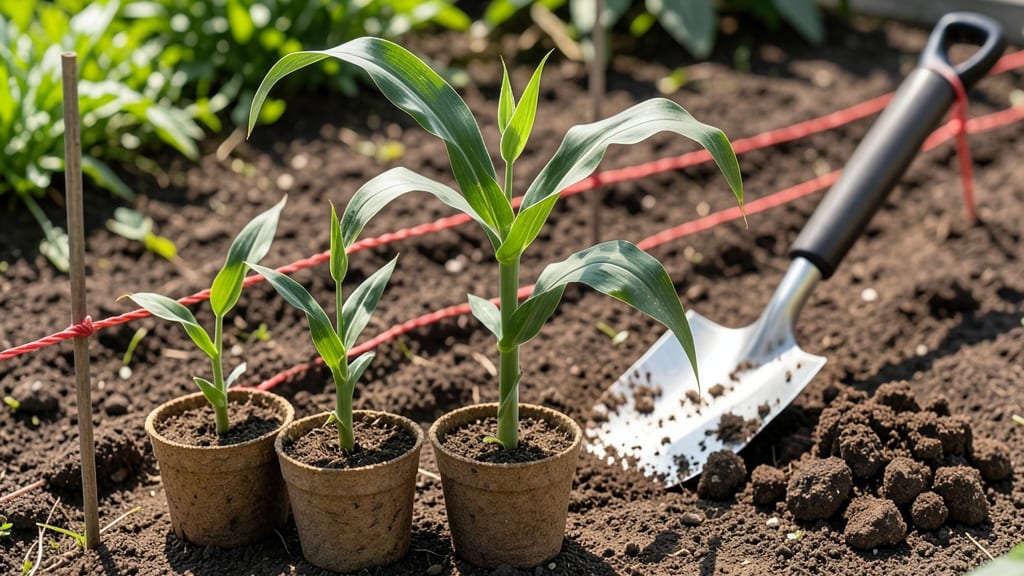
Planting corn in Portland, Oregon, isn't just about throwing seeds in the dirt—it's about timing them perfectly to beat the region's tricky frost dates and short growing season.
With USDA Zone 8b conditions, you've got a narrow window to get those 🌽 stalks off to a strong start before summer fades into fall. Miss the mark, and you might end up with stunted plants or worse, no harvest at all.
Most gardeners here swear by mid-April to early June as the sweet spot for direct sowing, but that's not the whole story. Portland's microclimates—from the cooler West Hills to the urban heat islands—can shift your ideal planting date by weeks.
The key is knowing when your soil hits that magic 60°F threshold and when the last frost has truly passed.
I've learned the hard way that rushing corn into cold soil or planting too late risks bolting or frost damage. The good news? With the right prep—like warming the soil with black plastic or choosing fast-maturing varieties—you can stretch that harvest window well into September.
Let me show you exactly how to sync your planting with Portland's climate quirks.
Whether you're a first-time gardener or a seasoned grower, these insights will help you avoid common pitfalls and maximize your 🌽 yield. Ready to turn your backyard into a corn patch? Let's dive into the details that make all the difference in Portland's unpredictable growing season.
Portland’s frost-free planting zones for corn: when to start seeds indoors vs outdoors
Portland’s USDA Zone 8b climate means corn thrives here—but only if you nail the timing. The last average frost date is around March 15, but microclimates vary dramatically. West Hills areas like Beaverton often warm 1-2 weeks earlier than East Portland neighborhoods near the river.
For sweet corn varieties (like 'Ambrosia' or 'Peaches and Cream'), aim for a 60-75 day harvest window from planting.
Most gardeners in Portland skip indoor seed starting for corn. Why? Corn seeds germinate best in soil temperatures above 60°F, which Portland’s ground typically hits by mid-April. Starting seeds indoors is only useful if you’re using early-maturing varieties (55-60 days) and want a head start.
For standard varieties, direct sowing after the last frost is simpler and just as effective.
Here’s the key rule: Wait until soil reaches 60°F and nighttime temperatures stay above 50°F consistently. Use a soil thermometer to check—corn seeds won’t sprout in cold soil, no matter how warm the air feels.
In Portland, this usually aligns with late April to early May, but urban heat islands (like downtown) may warm 10-14 days earlier than cooler river valleys.
For maximum yield, plant corn in blocks (not rows) to ensure cross-pollination. Space seeds 1 inch deep, 4-6 inches apart, with rows 30-36 inches apart.
Thin seedlings to 12 inches apart when they’re 6 inches tall. This spacing gives plants room to grow 6-10 feet tall without competing for sunlight.
Portland’s short growing season (about 165 frost-free days) limits corn varieties to those needing 70-90 days to maturity. Late varieties (like 'Golden Bantam') risk frost damage before harvest. Instead, opt for mid-season varieties like 'Silver Queen' or 'Country Gentleman' for reliable results.
🌱
🌽 Portland Corn Planting Guide
| Zone/Location | Last Frost Date | Direct Sow Window | Soil Temp Requirement | Best Varieties |
|---|---|---|---|---|
| West Hills (Beaverton, Hillsboro) | March 20 | Late April | 60°F+ | Ambrosia, Peaches & Cream |
| Downtown/Urban Heat Islands | March 25 | Early April | 60°F+ | Silver Queen, Country Gentleman |
| East Portland (River Valleys) | March 15 | Mid-May | 60°F+ | Golden Bantam, Early Sunglow |
| All Locations | After May 1 | Black plastic mulch | Warms soil faster | All varieties |
Note: Use row covers for 2-3 weeks after planting to protect from late frosts.
If you’re planting late-season varieties, consider using black plastic mulch to warm the soil faster. Lay it down 1-2 weeks before planting—this can shave 10-14 days off your growing season.
For early starts, sow a few seeds in biodegradable pots under row covers in mid-April to get a jump on the season.
Watch for corn borers in Portland’s humid summers. Rotate planting locations yearly and remove old stalks in fall to break their life
Microclimate-specific planting calendar: best weeks to direct-sow corn in Portland
Portland’s diverse microclimates—from the cool river valleys to the warmer West Hills—create a 3-week window for direct-sowing corn. Miss this, and you risk frost damage or bolting before harvest. Here’s the precise schedule tailored to your neighborhood’s heat patterns.
For East Portland’s urban heat islands (like Sellwood or Lents), aim for mid-April to late April. These areas warm up faster, giving corn a 75-day growing season before frost. Use early-maturing varieties like 'Golden Bantam' (60 days) for insurance.
In West Hills (Beaverton, Hillsboro), where soil warms 1-2 weeks earlier, shift your planting to late March to early April. The extra heat lets you try mid-season varieties like 'Silver Queen' (80 days) without rushing harvests.
Along the Columbia River Gorge or cooler neighborhoods (e.g., St. Johns), wait until mid-May. These zones have longer frost risks and benefit from late-season varieties like 'Peaches and Cream' (90 days) to stretch harvests into September.
- 🌱 Late March (West Hills only): Direct-sow early varieties like 'Early Sunglow' (65 days). Use black plastic mulch to warm soil faster.
- 🌿 Mid-April (Urban Heat Islands): Plant mid-season corn (75–85 days). Space rows 30 inches apart for pollination.
- ☀️ Early May (Coastal/Valley Areas): Sow late varieties (90+ days). Pair with bush beans to maximize space.
- 🌾 Mid-May (Backup for Cool Zones): Last chance for short-season corn. Use row covers to extend warmth.
Plant in blocks, not rows, to ensure cross-pollination. For example, dedicate a 4x4 ft patch to one variety. If you’re growing multiple types, separate them by at least 50 feet to avoid mixed kernels.
Monitor silking stage (when tassels appear). If temperatures drop below 55°F during this phase, ears may develop poorly. Use row covers or straw mulch to protect tender plants.
Harvest begins in late July for early plantings and stretches to September for late varieties. Store ears in the freezer or use immediately—they lose sweetness within 2–3 days of picking.