
Companion Plants
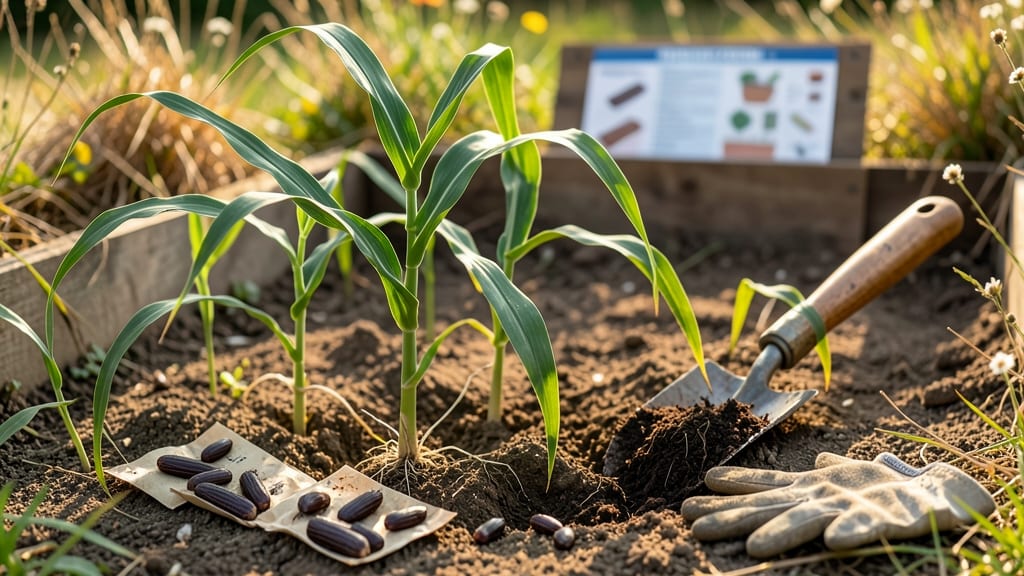
To plant corn in Zone 7, timing is everything—wait too long, and your harvest shrinks before you even taste those sweet kernels. The key lies in those warm spring days when soil finally reaches 60°F, signaling it's safe to drop seeds into the earth.
Most gardeners in Zone 7 aim for mid-April to early May, right after the last frost (around April 15). But don’t rely on the calendar alone—soil temperature and local microclimates can shift your perfect planting window by weeks.
I’ll show you how to read the signs so your 🌽 corn sprouts fast and strong.
Whether you’re a first-timer or a seasoned grower, mastering this timing means bigger ears and fewer wasted seeds. We’ll cover soil tests, companion plants, and even how to adjust for high or low elevations in Zone 7. Ready to unlock a bumper crop?
Let’s dive into the fastest, foolproof way to get your corn off to a flying start this spring.
Ideal planting windows for corn in Zone 7 (soil temps & frost dates)
In Zone 7, timing your corn planting depends on two critical factors: soil temperature and last frost dates. Corn seeds need consistent warmth to sprout, and frost can devastate young plants.
The ideal window balances these—typically mid-April to early May—but regional microclimates can shift this by 1-2 weeks.
Most Zone 7 gardeners wait until after the average last frost date (around April 15), but soil temperature is the true decider. Corn germinates best when soil reaches 50°F+, but for fast, uniform sprouting, aim for 60°F+. A soil thermometer is your best tool—without it, you’re guessing.
Here’s the golden rule: Plant when soil temps hit 60°F and stay there for 5+ days. In Zone 7, this usually lands in late April, but elevations and urban heat islands can push it earlier or later.
For example, mountainous areas may need to wait until early May, while city gardens might see 60°F soil as early as mid-April.
| Trigger | Zone 7 Timeline | Action |
|---|---|---|
| Soil Temperature | 60°F+ (consistent) | Plant seeds 1–1.5" deep |
| Last Frost Date | After April 15 (average) | Wait 1–2 weeks post-frost |
| Tree Leaf-Out | When maple/oak leaves fully emerge | Confirm soil warmth matches |
| Microclimate Adjustments | Urban: 1 week earlier; High elevation: 1 week later | Use black plastic mulch to warm soil faster |
If you’re planting early (before May 1), use black plastic mulch to raise soil temperature by 5–10°F. This trick is a game-changer for slow-warming soils or cool microclimates. Lay the mulch 1–2 weeks before planting to let it heat up, then cut X-shaped slits for seeds.
For late plantings, opt for fast-maturing varieties (like 'Early Sunglow', which matures in 70 days).
These can still produce ears if planted by early June, though yields may shrink. Succession planting every 2 weeks after your initial date extends your harvest window—just stop by July 1 to avoid drought stress before frost.
Pro tip: Corn hates cold snaps. If nighttime temps drop below 50°F after planting, cover seedlings with row fabric or old blankets for 2–3 nights. Young corn is frost-sensitive until it reaches 6 inches tall, so don’t skip this step if late frosts linger.
Remember, Zone 7’s growing season is 180 frost-free days. If you plant too late, your corn may bolt (go to seed) before maturing or get stunted by early fall chill. Balance speed and timing—mid-April to early May is your sweet spot for maximum yield.
🌱
5 Signs your Zone 7 soil is ready for corn (beyond the calendar)
Zone 7’s spring soil conditions can be deceptive—just because the calendar says April doesn’t mean your corn seeds will sprout like clockwork. I’ve learned the hard way that soil temperature and moisture are far more reliable indicators than dates. Here’s how to test readiness without guessing.
First, grab a soil thermometer (or a reliable weather app) and check that temperatures have consistently hit 60°F+ at a 4-inch depth. Corn seeds need warmth to germinate, and cooler soils will leave you waiting weeks for sprouts—or worse, moldy seeds.
Pro tip: Morning is the best time to test, as daytime temps can spike artificially.
🌱 5 Signs Your Soil Is Ready for Corn
- 🌡️ Soil temp hits 60°F+ at 4" depth (use a thermometer for accuracy).
- 🌿 Local trees (maple, oak) have 50%+ leaf-out—a natural cue for warm soil.
- 💧 Top 2–3 inches of soil crumbles when squeezed (not muddy or bone-dry).
- 🐛 Earthworms are active—their tunnels improve drainage and aeration.
- 🌱 Weeds like chickweed or crabgrass are sprouting (indicates stable moisture).
Don’t ignore moisture levels—corn seeds need consistent dampness to germinate, but soggy soil suffocates roots. Press your finger into the soil: If it feels like a wrung-out sponge, it’s perfect.
Too dry? Water deeply 24 hours before planting. Too wet? Wait until the surface dries slightly to avoid seed rot.
Watch for earthworm activity—their presence means your soil is aerated and rich in organic matter, both critical for corn’s deep roots. If you spot none, amend the soil with compost before planting. I once skipped this step and ended up with stunted plants that struggled to stand upright.
Finally, observe local flora. When maple or oak trees have fully leafed out (usually late April in Zone 7), it’s a signal that the ground has warmed enough for corn. This trick works even if you forgot your thermometer!
If your soil fails these tests, hold off planting. Corn won’t wait forever, but rushing leads to poor germination and wasted seeds. Patience now means bigger ears later—trust the process! 🌽