
Plants
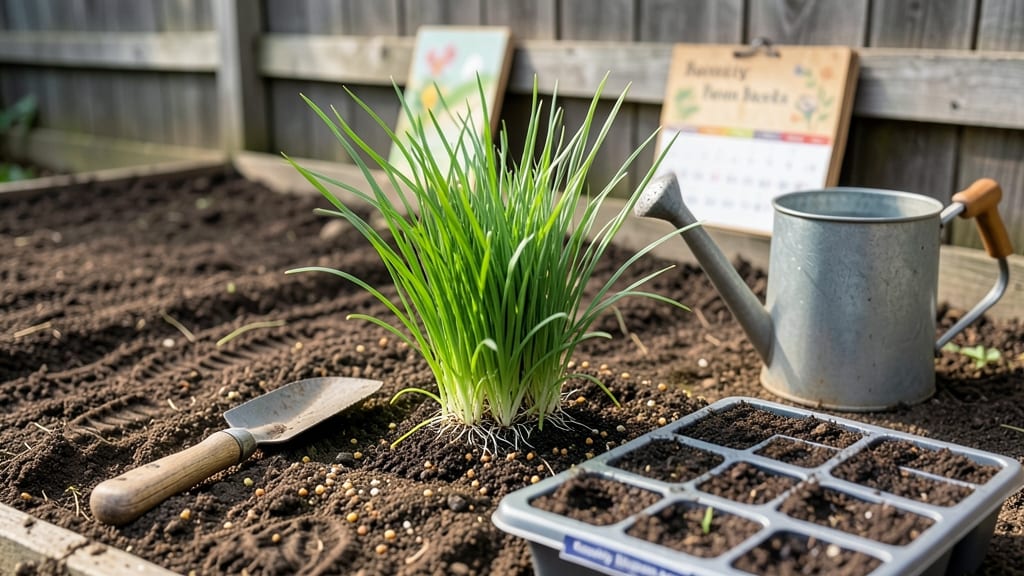
Timing cool season grass planting in spring is the game-changer between a thick, green lawn and a patchy, struggling mess. Too early, and your 🌱 seedlings risk frost damage; too late, and they’ll wilt under summer heat.
In Zone 6, the sweet spot is 4-6 weeks before your last frost date—typically mid-March to early April—but soil temperature matters more than the calendar.
Most gardeners assume "spring" means March, but the real key is waiting until soil warms to 50°F-65°F. Cold soil slows germination, while heat stress can kill young roots before they establish.
I’ve learned the hard way that rushing the process leads to weak grass that can’t handle summer’s intensity—so patience pays off.
This guide breaks down the exact timing for your region, plus soil prep tricks to give your grass the best start. Whether you’re in the Northern Hemisphere or Southern Hemisphere, you’ll discover how to avoid common mistakes and keep your lawn thriving all season long.
Ready to plant with confidence? Let’s dive into the optimal window and steps to ensure your cool season grass takes root strong—before the heat arrives.
Optimal spring planting windows for cool season grass by region
Timing your cool season grass planting is like catching a wave—too early and you’ll drown in frost, too late and you’ll burn under summer’s heat.
The ideal window depends on your USDA zone and local frost dates, but most regions aim for 4-6 weeks before the last frost when soil temps hit 50°F-65°F. In Zone 6, that’s typically late March to early April, but adjustments are key for northern or southern climates.
Northern climates (Zones 3-5) face harsher springs with later frost dates. Planting too early risks seedling death from late frosts, while waiting too long may expose young grass to heat stress before roots establish.
Southern climates (Zones 7-9) have milder springs, but summer heat arrives faster—plant earlier (as early as February) to beat the heat.
Here’s how to align your planting with your region’s unique rhythm:
| Region | USDA Zones | Last Frost Date | Optimal Planting Window | Soil Temp Threshold |
|---|---|---|---|---|
| Northern (Cold Climates) | 3-5 | Late April to May | Early April to mid-May | 50°F-60°F |
| Mid-Atlantic (Zone 6) | 6a-6b | Mid-April | Late March to early April | 55°F-65°F |
| Southern (Mild Winters) | 7-9 | Early March | February to early March | 60°F-70°F |
| Pacific Northwest | 7-8 | Mid-April | Late February to March | 50°F-60°F |
Use your local cooperative extension service or a frost calendar to pinpoint your exact window. For example, in Zone 5, planting in late April ensures seedlings have 6-8 weeks to establish roots before summer heat peaks. In Zone 8, aim for February to avoid the intense summer sun.
Pro tip: Check soil temps with a soil thermometer—cool season grass needs consistent warmth (above 50°F) to germinate. If temps dip below 40°F, delay planting until conditions stabilize. This small step prevents seed rot and ensures vigorous growth.
For regions with unpredictable springs, consider starter fertilizer or shade cloth to protect seedlings if you plant early. In drought-prone areas, prioritize moisture retention by watering deeply 2-3 times per week until roots establish.
Remember, fall planting (4-6 weeks before first frost) is often the best alternative for cool season grass, giving seedlings a head start before winter dormancy. But if you’re committed to spring, timing is everything—balance warmth with frost risk for a lawn that thrives all season.
Optimal spring planting windows for cool season grass by region
Timing your cool season grass planting is all about balancing soil warmth and avoiding summer heat stress. In most regions, the ideal window is 4-6 weeks before your last frost date, but this shifts dramatically depending on whether you're in the Northern or Southern Hemisphere.
Let’s break it down by climate zone to ensure your grass gets the best start.
For USDA Zones 3-5 (typical Northern climates), aim to plant between late April and early May. This gives seedlings time to establish roots before summer’s intensity. In Zones 6-8, shift your timing to March or early April—soil warms faster here, and late plantings risk heat shock.
Southern Hemisphere gardeners (like those in Australia or New Zealand) should reverse this: plant in September or October for their spring.
Soil temperature is your best guide—cool season grasses thrive when soil hits 50°F to 65°F. Use a soil thermometer to check; if it’s below 50°F, wait. Pro tip: Morning soil temps are often cooler than afternoon readings, so test early to avoid delays.
🌱 Spring Planting Windows by Region
| Region | USDA Zone | Ideal Planting Month | Soil Temp Threshold | Key Risk to Avoid |
|---|---|---|---|---|
| Northern US/Canada | 3-5 | Late April–Early May | 50°F–65°F | Late frost damage |
| Mid-Atlantic/Southeast US | 6-8 | March–Early April | 55°F–65°F | Summer heat stress |
| Pacific Northwest | 7-9 | February–March | 50°F–60°F | Cool, wet springs |
| Southern Hemisphere | 6-9 (Australia/NZ) | September–October | 10°C–18°C | Early summer drought |
💡 Pro Tip: Check your local last frost date (use the National Weather Service or Old Farmer’s Almanac) and count backward 4-6 weeks.
If you miss the ideal window, don’t panic—late spring plantings (up to early June) can still work with extra care. Use shade cloth to protect seedlings and water deeply twice daily until roots establish.
Just avoid planting after June 15 in most zones; by then, summer’s heat will outpace your grass’s ability to grow.
For Southern climates, where summers are brutal, consider fall planting instead. Cool season grasses like tall fescue or ryegrass establish faster in September or October, giving them a head start before winter dormancy.
This is my go-to strategy for Zone 8+ gardens—it’s how I’ve kept my lawn thriving for years.
Remember: Cool season grass needs 4-6 weeks of warm soil before summer hits. If your region has unpredictable springs (like sudden heatwaves), err on the earlier side of the window. The goal is strong roots before heat stress—not a perfect calendar date.