
Trees
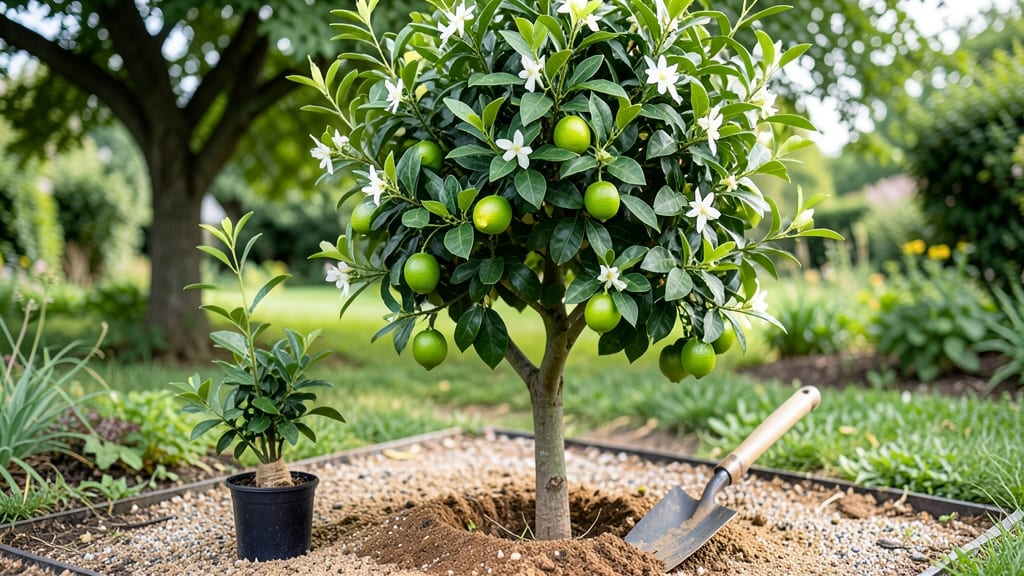
Timing your 🍊 citrus tree planting in Zone 9 isn't just about checking the calendar—it's about catching that sweet spot when soil warmth triggers fast root growth. Plant too early, and you risk stunted roots; too late, and your tree might struggle to establish before summer heat sets in.
Zone 9's frost-free climate gives you flexibility, but soil temperature is the real game-changer. Aim for 60°F+ soil to kickstart root development, which typically aligns with late winter to early spring. This window—February through March—lets your citrus tree take off without battling cold snaps or extreme heat.
Why does this matter? Because a well-timed planting means stronger roots, faster fruit production, and a tree that thrives year-round. Whether you're planting in-ground or containers, understanding these triggers can mean the difference between a struggling sapling and a flourishing citrus grove.
I’ll break down exactly how to read your soil’s temperature cues, adjust for microclimates, and choose the best varieties for your Zone 9 planting schedule. Ready to get growing?
Optimal planting windows for citrus trees in Zone 9 based on soil temperature
Zone 9’s frost-free climate makes citrus trees a year-round possibility, but soil temperature—not just air temperature—dictates the best planting windows. Citrus roots need consistent warmth (at least 60°F) to establish quickly and avoid root shock.
In my experience, the ideal months are March and April, when soil warms naturally after winter’s residual chill.
While Zone 9 has no frost risk, coastal areas (like San Diego) warm sooner than inland deserts (like Phoenix). Coastal soils hit 60°F by late February, while inland zones may wait until mid-April. Always test your soil—a soil thermometer is your best tool for precision.
Here’s the key: Plant when daytime highs are consistently above 70°F and nighttime lows stay above 55°F. This ensures roots grow 3x faster than in cooler soil. Skipping this window risks slow growth or even root rot in soggy winter soil.
| Planting Window | Soil Temp Requirement | Frost Risk | Best For |
|---|---|---|---|
| Late February - Early March | 60°F+ (coastal) | None | Early bloomers (lemons, limes) |
| Mid-March - April | 65°F+ (inland) | None | Standard varieties (oranges, grapefruit) |
| Late Summer (August-Sept) | 70°F+ | None | Dwarf varieties (containers) |
If you’re planting in containers, late summer (August-September) works surprisingly well. Potted citrus benefit from established warmth and can be moved indoors if nighttime temps dip below 50°F. Just ensure your container has drainage holes—citrus hates soggy roots.
For in-ground planting, early spring is non-negotiable for standard-sized trees. The root zone must be fully warmed by the time you plant, or you’ll spend years playing catch-up. I once planted a Valencia orange in December—it survived but took 2 years to fruit instead of 1.
One common mistake? Assuming air temperature = soil temperature. Inland Zone 9 areas can have 50°F air but 65°F soil—perfect for planting. Use a soil thermometer (available for $10) to check 6 inches deep before digging.
Microclimates matter too. South-facing slopes warm 2-3 weeks earlier than shaded valleys. If you’re in a coastal fog belt (like Santa Barbara), aim for March 15th or later—fog delays soil warming.
Finally, bare-root citrus (sold without soil) can handle slightly cooler soil than potted trees. Soak roots for 2-3 hours before planting to kickstart growth. For potted trees, disturb the root ball minimally—citrus hate having their roots exposed.
Timing citrus right in Zone 9 isn’t just about avoiding frost—it’s about harnessing warmth for explosive root growth. Get it right, and you’ll see fruit in 1-2 years instead of 5. That’s the power of soil temperature over calendar dates. 🌱
How to prepare your Zone 9 soil for citrus planting: pH, drainage, and warmth retention
Citrus trees thrive in Zone 9’s warm climate, but their roots need the right conditions to establish quickly. The key? Well-draining, slightly acidic soil that retains warmth—especially in cooler months.
Without proper prep, your citrus could struggle with root rot or nutrient deficiencies. Let’s fix that with a step-by-step guide tailored to Zone 9’s unique soil challenges.
Start by testing your soil’s pH level. Citrus trees prefer a range of 6.0 to 7.0. If your soil is too alkaline (common in Zone 9’s clay-heavy areas), amend it with elemental sulfur or peat moss.
For acidic soils, add lime sparingly. A simple soil test kit (available at garden centers) will save you guesswork and wasted effort.
Drainage is non-negotiable for citrus. Stagnant water leads to root rot, and Zone 9’s occasional heavy rains can turn your soil into a swamp. If your soil is clay-based, mix in sandy loam or composted bark to improve aeration.
For container planting, use a well-draining potting mix with perlite or vermiculite. Pro tip: Elevate containers slightly to prevent water pooling.