
Trees
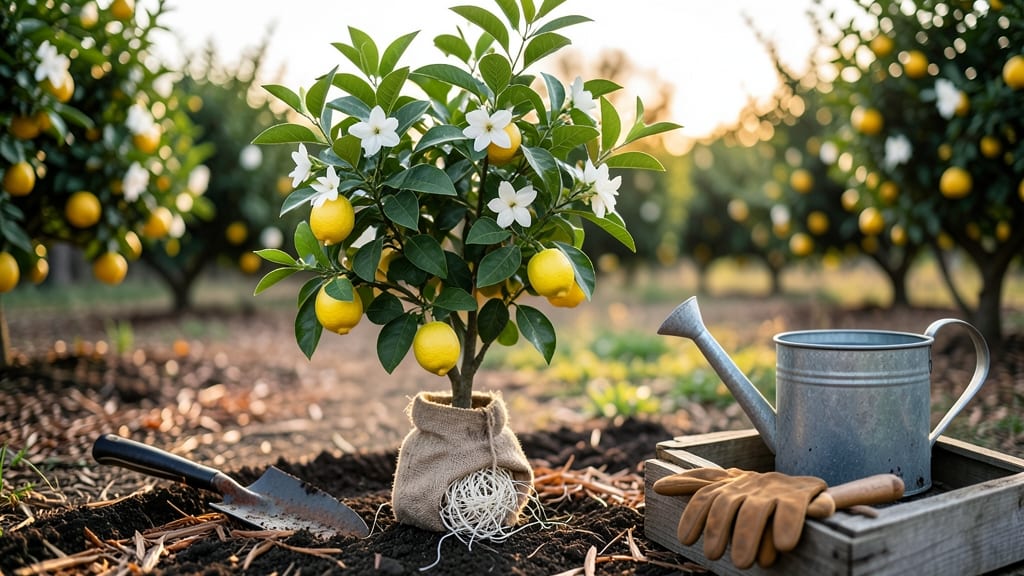
Planting your 🍊 citrus trees at the wrong time in Arizona could mean watching them struggle through brutal summer heat or freeze in unexpected winter chills—both of which can kill your investment before it even bears fruit.
If you’ve ever wondered why some local growers harvest year-round while others lose their trees to frost, the answer lies in timing.
The best time to plant citrus in Arizona isn’t just about avoiding frost—it’s about giving your tree the perfect window to establish roots before the desert heat kicks in.
From Phoenix’s scorching low desert to Flagstaff’s cooler highlands, each region has its own ideal planting window. I’ll break down exactly when to dig in—whether you’re in USDA Zone 9b or a slightly higher elevation—so you can set your citrus trees up for success from day one.
Ready to skip the guesswork and plant with confidence? Let’s get into the optimal months that’ll have your tree thriving in no time.
Optimal planting windows for Arizona citrus trees by region
Arizona’s diverse climate—from the low desert’s scorching summers to the high desert’s chilly winters—means planting citrus trees requires careful timing. The key is avoiding frost damage while giving roots time to establish before summer heat arrives.
In most of Arizona, the best planting window spans from November to March, but microclimates shift these dates.
If you live in Phoenix, Tucson, or Yuma (Low Desert), your USDA Zone 10-11 climate lets you plant as late as April—but only if you’re prepared for intense summer heat.
Meanwhile, Flagstaff or Prescott (High Desert, Zone 7-8) demand earlier planting, ideally by October, to prevent winter dieback. Transitional areas like Sedona or Prescott Valley fall somewhere in between, with a November-February sweet spot.
Here’s how to align your planting with Arizona’s frost-free periods and heat tolerance:
| Region | USDA Zone | Best Planting Months | Avoid Planting After | Key Consideration |
|---|---|---|---|---|
| Low Desert (Phoenix, Tucson, Yuma) | 10-11 | November–April | Mid-April (heat stress risk) | Afternoon shade essential |
| Transitional (Sedona, Prescott Valley) | 8-9 | November–February | Early March (frost risk) | Windbreaks for young trees |
| High Desert (Flagstaff, Prescott) | 7-8 | October–November | December (frost likely) | Cold-hardy varieties only |
For Phoenix gardeners, planting in December or January gives roots a head start before summer’s 110°F+ temperatures. In Flagstaff, aim for October to beat the first frost, which can hit as early as November 15.
Even a single night below 28°F can kill young citrus trees, so monitor local frost dates via the National Weather Service.
If you miss the ideal window, don’t panic! April planting is still viable in the Low Desert if you:
- ✅ Use shade cloth (30-50%) for the first 3 months
- ✅ Mulch heavily (4–6 inches) to retain moisture
- ✅ Water deeply every 3–5 days until established
Pro tip: Container planting extends your window—move potted citrus indoors (or to a garage) during winter if you live in Zone 8 or colder. This lets you plant as late as April and still protect roots from frost.
Just ensure pots have drainage holes and use a lightweight potting mix.
Timing isn’t just about months—it’s about soil temperature. Citrus roots thrive when soil stays above 60°F. In Arizona, this means waiting until ground temps warm in spring (test with a soil thermometer).
If you plant too early in October, roots may stagnate in cool soil, delaying growth.
Finally, avoid planting in summer (May–September) unless you’re in Zone 11. The combination of heat and dryness stresses young trees, leading to transplant shock. If you must plant in summer, choose shade-tolerant varieties like Calamondin or Meyer lemon, and provide daily shade for the first 60 days.
🌱
Citrus tree varieties that thrive in Arizona’s climate
Arizona’s diverse climate zones let you grow both cold-hardy and tropical citrus varieties—but each has different planting windows. Satsuma mandarins and Yuzu can handle 25°F dips, while Valencia oranges need 30°F+ protection. Choosing the right variety for your microclimate ensures fruit production and survival.
In Low Desert areas like Phoenix, you can plant tropical varieties like Meyer lemons or Calamondin oranges as early as October, but High Desert regions (e.g., Flagstaff) require waiting until March for frost-free conditions. Even within cities, urban heat islands can extend growing seasons by 2-4 weeks.
Here’s how to match your variety to Arizona’s climate zones and planting windows:
🌱 Best Citrus Varieties for Arizona
- Cold-Hardy (25-30°F): Satsuma, Yuzu, Calamondin – Plant November-March in High Desert.
- Moderate (30-35°F): Meyer Lemon, Limequat, Kumquat – Plant October-April in Transitional Zones.
- Tropical (35°F+): Valencia Orange, Navel Orange, Grapefruit – Plant November-February in Low Desert only.
- Dwarf Varieties: Calamondin, Improved Meyer Lemon – Ideal for containers; plant March-April to avoid heat stress.
Pro Tip: Satsumas are the safest bet for High Desert—harvest 2-3 years after planting!
If you live in Phoenix or Tucson, Valencia oranges and Meyer lemons thrive when planted in late fall (November-December). These varieties need consistent warmth and well-draining soil to avoid root rot. In contrast, Satsumas planted in March in Flagstaff can still produce fruit by late summer.
For container growing, dwarf varieties like Calamondin are perfect—they tolerate urban heat and can be moved indoors during winter freezes. Just ensure pots have drainage holes and use citrus-specific potting mix to prevent salt buildup.
Always check your local frost dates—Arizona’s Low Desert rarely drops below 30°F, while High Desert can hit 20°F. Planting at the right time means faster root establishment and earlier harvests! 🍊