
Trees
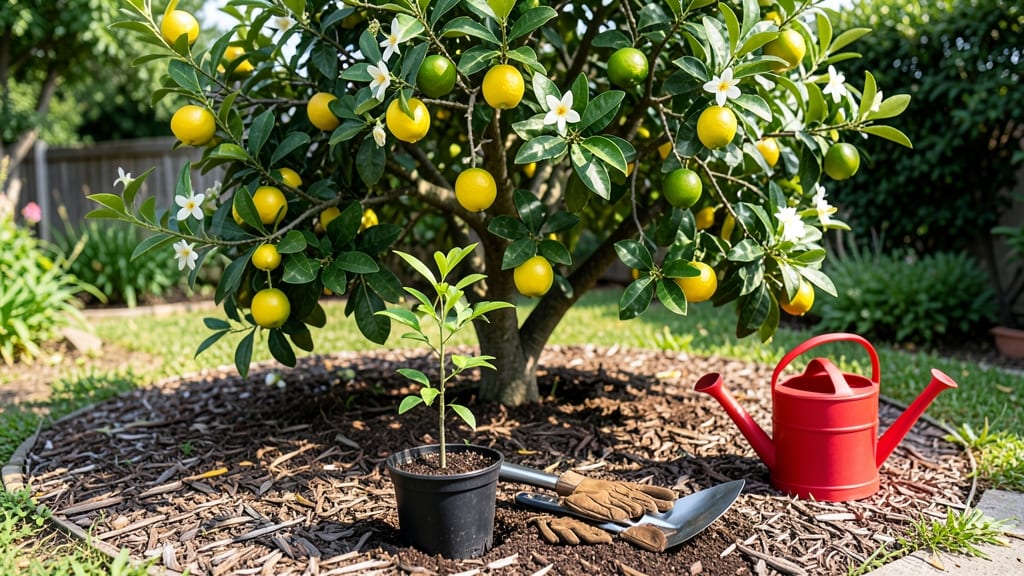
Planting a 🍊 citrus tree in Phoenix during the wrong season could mean watching it struggle—or worse, die—before it ever bears fruit. The key isn’t just about avoiding frost (there isn’t one in Zone 9b), but timing when the desert’s extreme heat won’t shock your young tree.
If you’ve ever wondered why some local citrus thrives while others wither, the answer lies in those cooler months when the sun isn’t relentless. November through February aren’t just random suggestions—they’re the best window to give your tree’s roots a fighting chance in Phoenix’s brutal summers.
I’ve seen firsthand how planting outside this range can turn a promising citrus sapling into a sad, sun-scorched stump. But when you get the timing right, you’re setting up years of juicy oranges, tart lemons, and maybe even that perfect homegrown grapefruit—all while beating Phoenix’s climate at its own game.
Let’s break down exactly what to do in those critical months, from soil prep to watering hacks that’ll keep your citrus tree growing strong instead of wilting under the desert sun.
Best months to plant citrus trees in Phoenix (with climate science)
Phoenix’s USDA Zone 9b climate is ideal for citrus trees year-round, but the cool winter months are your best window for planting. Between November and February, temperatures average between 50°F and 75°F, giving young roots time to establish before summer’s brutal heat arrives.
This timing reduces transplant shock and prevents the stress that can kill citrus trees when planted in extreme heat.
Citrus trees are tropical/subtropical plants that thrive in warmth but struggle when exposed to sudden temperature swings or intense desert sun without established root systems. Phoenix’s summer heat—often exceeding 100°F—can scorch new plantings, while winter’s mild chill (rarely below 32°F) is perfect for root growth.
Even our microclimates (like the cooler elevations of North Phoenix) benefit from this timing.
Here’s why spring and summer planting is risky: Newly planted citrus trees lack the deep root systems needed to access moisture during 110°F+ days. Without adequate water, roots can bake in the soil, leading to wilting or death within weeks.
Even container-grown citrus needs this recovery period to adapt to Phoenix’s alkaline soil and low humidity.
🌱 Citrus Planting Window in Phoenix
| Month | Temperature Range | Risk Level | Best For |
|---|---|---|---|
| November–February | 50°F–75°F | Low (ideal) | New plantings, bare-root trees |
| March–April | 60°F–90°F | Medium (possible) | Established trees, container transplants |
| May–September | 90°F–110°F+ | High (avoid) | Only mature, well-watered trees |
| October | 70°F–85°F | Low-Medium (transition) | Late-season plantings with extra care |
Pro Tip: If you must plant in spring or fall, choose overcast days and water deeply every 2–3 days for the first month.
Phoenix’s alkaline soil (pH 7.5–8.5) is another challenge for citrus trees, which prefer slightly acidic soil (pH 6.0–7.0). Planting in cooler months gives roots time to adjust to the soil chemistry without the added stress of heat.
Amend your planting hole with compost or peat moss to lower pH slightly and improve drainage—a critical step for avoiding root rot in our heavy clay soils.
For container-grown citrus (like Meyer lemons or dwarf oranges), the rules are slightly flexible. You can plant these in March or early April as long as they’re acclimated to full sun and kept well-watered.
However, avoid planting bare-root citrus after April 15, as the risk of heat stress skyrockets. Even shade-cloth protection won’t compensate for the lack of root establishment during peak summer.
One common mistake Phoenix gardeners make is assuming “anytime is fine” because citrus trees are hardy. But transplant shock from summer planting can take 6–12 months to recover from, delaying fruit production by years.
If you’re eager to plant outside the ideal window, opt for potted citrus that’s already established—these adapt better to spring heat than bare-root trees.
Local nurseries like Tradesman Farms or Bassett’s Nursery often restock citrus trees in November and December, making it easy to find healthy container-grown options ready for planting. Look for trees with green leaves (not yellowing) and minimal root circling in the pot.
These signs indicate a tree that’s stress-free and ready to thrive in Phoenix’s climate.
Finally, don’t overlook microclimate differences across Phoenix. Areas like Scottsdale or Paradise Valley experience slightly cooler nights, while South Phoenix can be 5–10°F hotter. Adjust your planting timeline by 1–2 weeks if you’re in a hotter pocket—plant earlier in South Phoenix and slightly later in North Phoenix.
With the right timing, your citrus tree can establish roots, bear fruit in 2–3 years, and become a low-main
Best months to plant citrus trees in Phoenix (with climate science)
Phoenix’s USDA Zone 9b climate is ideal for citrus trees year-round, but timing your planting is critical. The coolest months (November–February) offer the perfect balance of moderate temperatures (50–75°F) and lower humidity, reducing transplant shock.
During these months, citrus trees establish roots without battling the 110°F+ heat of summer or rare freeze risks (though Zone 9b rarely sees frost).
Planting outside this window—especially in summer (June–August)water stress, while spring (March–May) brings unpredictable temperature swings. Even Meyer lemons or Calamondin varieties, which tolerate heat better, struggle when planted in peak summer.
Here’s why winter planting wins: cooler soil temperatures prevent root burn, and consistent moisture is easier to maintain. Plus, you’ll avoid the desert’s intense evaporation rates, which dry out young trees in days. Think of it as giving your citrus tree a head start before Phoenix’s brutal summer arrives.
| Month | Temperature Range (°F) | Humidity (%) | Risk Level | Key Consideration |
|---|---|---|---|---|
| November | 55–75°F | 20–30% | Low | Soil still warm; minimal transplant shock |
| December | 45–65°F | 25–35% | Low | Cool nights; ideal root establishment |
| January | 48–68°F | 20–30% | Low | Driest month; less fungal risk |
| February | 55–72°F | 25–35% | Low | Last chance before heat ramps up |
| March–May | 65–95°F | 15–25% | Moderate | Temperature swings; higher evaporation |
| June–August | 95–115°F | 10–20% | High | Extreme heat; root burn risk |
If you must plant outside winter, October or March are your next-best options. However, even these months require extra care, like daily watering and shade cloth during peak afternoon sun. For container-grown citrus, spring planting is slightly more forgiving, but bare-root trees still fare best in winter.
Pro tip: Mulch heavily (3–4 inches of organic mulch) to lock in moisture and regulate soil temperature. This is especially critical in March plantings, when daytime