
Plants
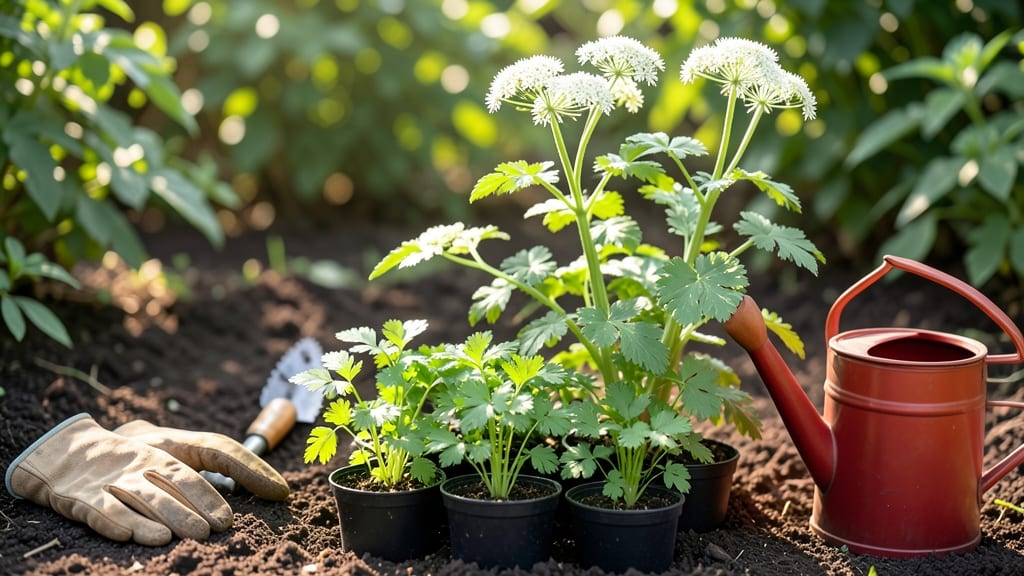
If you’ve ever planted cilantro in Arizona only to watch it bolt into bitter, seed-studded frustration by mid-May, you’re not alone—and the fix is simpler than you think.
The key isn’t just when to plant this 🌿 cilantro; it’s mastering Arizona’s two distinct growing seasons to keep your harvest fresh, flavorful, and ready for tacos, not birdseed.
Here’s the truth: Cilantro thrives in Arizona’s cooler months, but timing matters more than most gardeners realize. Skip the summer heat, and you’ll avoid the dreaded bolting cycle.
Whether you’re in Phoenix’s 100°F swelter or Flagstaff’s milder 9b climate, the right planting window transforms this finicky herb from high-maintenance to high-reward.
I’ve tested the best months—September through November and again in February to March
Ready to grow cilantro that actually stays cilantro? Let’s dive into the exact planting windows, shade hacks, and watering secrets that work in Arizona’s desert climate—no green thumb required.
Arizona’s best cilantro planting calendar: month-by-month breakdown
Arizona’s USDA Zone 9b climate lets you grow cilantro year-round, but timing is critical to avoid the dreaded bolting triggered by heat. The sweet spot? Fall and early spring when temperatures stay mild.
Here’s your month-by-month planting guide tailored to Arizona’s microclimates—whether you’re in Phoenix’s scorching lowlands or Flagstaff’s cooler highlands.
In Phoenix and Tucson, cilantro thrives from September to November and February to March, aligning with cooler temperatures and monsoon rains. Meanwhile, Flagstaff and Prescott can extend planting into late May due to their higher elevations and cooler nights.
The key? Soil temperatures below 75°F—cilantro bolts when stressed by heat.
Here’s how to align your planting with Arizona’s seasons:
Arizona Cilantro Planting Calendar
| Month | Phoenix/Tucson | Flagstaff/Prescott | Key Tips |
|---|---|---|---|
| August | ❌ Avoid (too hot) | ⚠️ Possible (use shade) | Plant in afternoon shade; water deeply at night. |
| September | ✅ Ideal (65–80°F) | ✅ Ideal (55–70°F) | Align with monsoon rains; mulch to retain moisture. |
| October | ✅ Best (55–75°F) | ✅ Best (45–65°F) | Harvest before first frost (rare but possible in highlands). |
| November | ✅ Good (45–65°F) | ✅ Good (35–55°F) | Protect from cold snaps with row covers. |
| December | ⚠️ Possible (use containers) | ✅ Ideal (30–50°F) | Move pots indoors if temps drop below 32°F. |
| January | ⚠️ Possible (containers only) | ✅ Ideal (25–45°F) | Use grow lights for indoor extensions. |
| February | ✅ Ideal (50–70°F) | ✅ Ideal (35–55°F) | Direct-sow after last frost (usually mid-Feb). |
| March | ✅ Good (60–80°F) | ✅ Good (40–60°F) | Harvest before temps rise above 75°F. |
| April–July | ❌ Avoid (bolting risk) | ❌ Avoid (heat stress) | Skip outdoor planting; try shade-grown containers. |
For Phoenix gardeners, the September–November window is your best bet—align planting with the monsoon season to reduce irrigation needs. In Tucson’s high desert, you can push planting into early December if you use row covers to protect from cold snaps.
If you’re in Flagstaff or Prescott, leverage the cooler highland climate to grow cilantro from late August through April. The elevation difference (5,000+ feet) means your last frost date is later, and soil stays cooler longer. Test soil temps with a thermometer—aim for 60–70°F for optimal germination.
Pro tip: Use
Arizona’s best cilantro planting calendar: month-by-month breakdown
Arizona’s USDA Zone 9b climate means cilantro thrives in cooler months, but timing is key to avoid bitter bolting. The perfect planting window spans from mid-September to November and again from February to March, aligning with natural rainfall patterns and lower temperatures.
Phoenix and Tucson gardeners should focus on fall planting (September–November), while higher elevations like Flagstaff can extend planting into early April. Summer heat (June–August) forces cilantro into dormancy or bolting, so avoid planting then unless using shade cloth.
🌿 Arizona Cilantro Planting Calendar
| Month | Best Planting Time | Soil Temp (°F) | Sunlight Needs | Notes |
|---|---|---|---|---|
| September | Start seeds | 70–80°F | Partial shade | Monsoon moisture helps germination |
| October | Peak planting | 60–75°F | Morning sun | Harvest by December |
| November | Final fall sowing | 55–70°F | East-facing shade | Protect from late frosts |
| February | Spring restart | 65–75°F | Partial shade | Harvest by April |
| March | Last chance | 70–80°F | Morning sun only | Use shade cloth |
For container gardening, start seeds indoors in late August and transplant outdoors in September. This gives cilantro a head start before temperatures rise. In Flagstaff’s cooler climate, you can plant as late as early May with afternoon shade.
Always test soil moisture before watering—cilantro hates soggy roots but bolts when dry. Mulch with straw or wood chips to retain moisture and regulate soil temperature. Avoid planting near drought-tolerant succulents, which compete for water.
Use shade cloth (30–50%) if planting in April or May to protect from Arizona’s intense sun. Even 3 hours of afternoon shade can prevent bolting. Pair cilantro with bush beans or lettuce to create a microclimate that stays cooler.
Remember: Cilantro is a cool-season herb—it thrives when daytime temps stay below 75°F. Planting in summer (June–August) without shade cloth is a recipe for failure. Save those seeds for fall or spring instead!