
Companion Plants
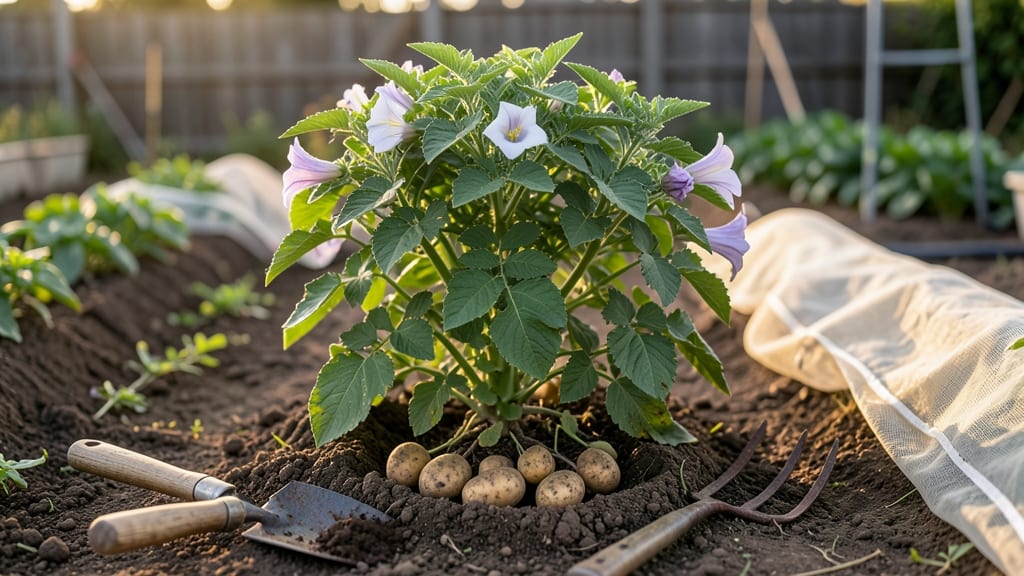
Planting potatoes in Pennsylvania at the wrong time can turn your 🥔 dreams into a soggy mess—frost damage, slow growth, or even blight waiting to strike.
The key to a fast, healthy harvest isn’t just luck; it’s knowing when to get those spuds in the ground so they sprout before the last frost bites.
If you’ve ever wondered why some gardeners pull in bushels while others struggle with stunted plants, the answer lies in soil temperature and timing.
Pennsylvania’s USDA zones 5b-7a give you flexibility, but missing the window means waiting months for a decent crop—or worse, watching your investment rot in the cold, damp earth.
In this guide, I’ll break down the exact planting windows for your region, from early February for hardy varieties to late April for main crops. You’ll also discover soil tricks—like using black plastic mulch—to warm up cold ground and get those sprouts popping weeks faster than the neighbors.
Whether you’re a backyard gardener in Philadelphia or a high-altitude grower near the Poconos, these tips will help you avoid common PA mistakes and turn your potato patch into a reliable harvest every season. Let’s get those tubers in the ground the right way!
Best planting dates for potatoes in Pennsylvania by USDA Zone
Pennsylvania spans USDA Zones 5b-7a, meaning your last frost date can vary dramatically—from March 15 in Philadelphia to April 15 in Pittsburgh. Planting potatoes too early risks frost damage, while waiting too long shortens the growing season. The key? Align your variety type with your local frost-free window.
For early varieties like 'Yukon Gold' or 'Red Norland', aim to plant 2-4 weeks before your last frost. These fast-maturing types (60-90 days) can tolerate cooler soils and still yield by summer.
Meanwhile, late varieties like 'Russet' or 'Kennebec' need the full 120-day growing season, so wait until 2 weeks after frost for safety.
Here’s how to calculate your perfect window: Subtract 90 days from your average first frost date (e.g., October 30 in Philly = July 21 target). For late varieties, subtract 120 days. Use Penn State Extension’s frost maps for hyper-local precision.
Pro tip: Plant two successions—one in early April (early varieties) and another in mid-May (late varieties)—to stretch your harvest from July through October. This strategy works especially well in Zone 6b areas like Harrisburg.
🥔 Pennsylvania Potato Planting Guide by USDA Zone
| Zone | Last Frost Date | Early Variety Planting | Late Variety Planting | Harvest Window |
|---|---|---|---|---|
| 5b (Erie, Scranton) | May 1 | April 1-15 | May 15-30 | July 15-Oct 15 |
| 6a (State College, Lebanon) | April 15 | March 15-April 1 | April 15-May 1 | June 30-Sept 30 |
| 6b (Pittsburgh, Harrisburg) | April 1 | March 1-April 15 | April 15-May 15 | June 15-Sept 15 |
| 7a (Philadelphia, Reading) | March 15 | February 15-March 1 | March 15-April 15 | May 30-Aug 31 |
*Adjust dates 1-2 weeks earlier for high-altitude areas (e.g., Pocono Mountains).
If you’re in Zone 7a (like Philadelphia), you can even try late-winter planting under row covers for an early June harvest. Start seed potatoes indoors in February and transplant when soil hits 50°F. Just beware of late spring frosts—use frost cloth if nights dip below 32°F.
For container growing, stick to bush varieties like 'Red LaSoda' and plant 4-6 weeks after frost when soil is consistently 55°F+. Containers warm faster than ground soil, so you can plant 2 weeks later than in-ground potatoes without risking cold damage.
Remember: Soil temperature matters more than air temperature. Use a soil thermometer to confirm 50°F+ before planting—cold soil delays sprouting and invites rot. In clay-heavy PA soils, amend with compost to improve warming and drainage.
Local tip: Check Penn State’s PA Gardening Network for weekly frost alerts and adjust your timeline. Their free frost calendar updates annually based on 30-year climate data, so it’s more reliable than generic online tools.
Finally, if you’re in Zone 5b (like Erie), consider straw mulch to protect early plantings. The mulch insulates soil, keeping roots 5°F warmer than ambient air temps—critical when frosts linger
Soil temperature tricks to jumpstart potato sprouting in PA
Cold Pennsylvania soil can stall potato growth for weeks—or worse, kill your crop before it even starts. The secret to beating chilly spring soil lies in understanding when it’s truly ready for planting, which isn’t just about calendar dates but soil temperature.
Potatoes need soil at least 50°F (10°C) to sprout consistently, and colder temps can leave your seed potatoes rotting underground.
If you’ve ever planted too early and watched your sprouts freeze back, you know how frustrating it is. But here’s the good news: with a few simple tricks, you can warm your soil faster than nature would on its own.
The key is combining timing, mulching, and even a little shade to create the perfect environment for those tubers to wake up and grow.
I’ve tested these methods in my own PA garden, and they’ve helped me shave 2-3 weeks off the traditional planting window. Whether you’re in Philadelphia’s Zone 6b or the cooler Poconos (Zone 5b), these soil temperature hacks will give your potatoes the jumpstart they need to beat the last frost.
- 🌡️ Use a soil thermometer—plant only when soil reaches 50°F (10°C) at 4-inch depth. Morning readings are most accurate.
- 🖤 Lay black plastic mulch 1-2 weeks before planting to absorb sunlight and warm soil by 5-10°F. Cut X’s for planting spots.
- ☀️ Choose a sunny, south-facing spot—it warms faster than shaded areas. Avoid low spots where cold air settles.
- 🪴 Pile compost or straw over planting rows to add 5-8°F of warmth. Mix in aged compost for faster heat retention.
- 🌿 Use row covers after planting to trap heat during the day and protect sprouts from late frosts (remove during flowering).
- ⏰ Plant early varieties (like Yukon Gold) first—they mature in 60-80 days, giving you a harvest before soil cools in fall.
- 💧 Avoid watering cold soil—wet, chilly conditions slow sprouting. Wait until soil warms to 55°F (13°C) before watering deeply.
One of my favorite tricks is using black plastic mulch combined with a compost pile nearby. The mulch warms the soil directly, while the compost pile acts like a mini greenhouse, radiating heat onto the rows.
I’ve seen soil temperatures rise from 45°F to 60°F in just 48 hours using this method!
For high-altitude areas like the Poconos or Allegheny Mountains, where soil stays cold longer, consider planting in raised beds. They warm up faster and drain better, reducing the risk of rot in damp conditions. Just add a layer of straw mulch to insulate the roots once sprouts appear.
Remember, potatoes are cool-season crops, but they won’t tolerate freezing soil. If your soil thermometer reads below 50°F, wait—even if your neighbors are already planting. A few extra weeks of patience now mean a healthier, larger harvest later, with fewer diseased tubers and more energy for growth.