
Plants
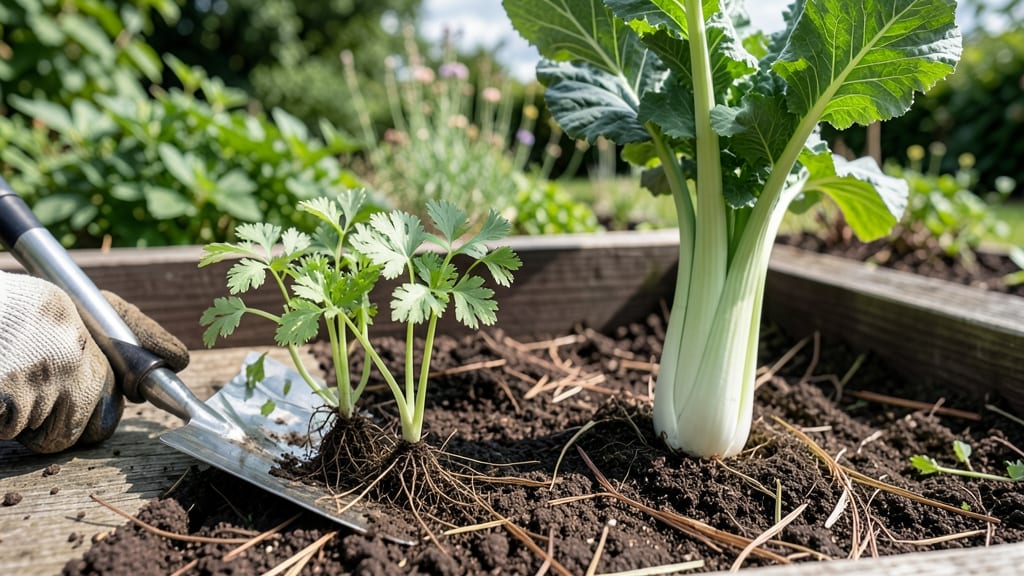
Planting celery in North Carolina at the wrong time means soggy, stringy stalks instead of crisp, flavorful harvests—don’t let that happen to your garden.
The key to growing 🥬 successfully in NC’s 6b-8a zones lies in timing: too early, and frost zaps your seedlings; too late, and summer heat sends them bolting.
I’ve grown celery here for years, and I’ll show you exactly when to start seeds indoors or sow directly for perfect timing every season.
North Carolina’s climate throws a curveball with its mild winters and long growing seasons, but celery thrives in cool weather—February-March for spring and August-September for fall. Coastal areas like Wilmington can plant a week earlier than the Piedmont’s Raleigh, where last frost typically hits around March 15.
The secret? Soil temps need to hit 50°F before seeds go in, and knowing your microclimate makes all the difference.
You’ll learn how to stretch your harvest from May-June to October-November using simple tricks like succession planting and shade cloth. No more wasted effort on bolting plants or leggy seedlings—just crisp, homegrown celery that rivals store-bought. Let’s get your planting schedule locked in for a bumper crop.
Whether you’re a first-time gardener or a seasoned green thumb, these NC-specific tips will save you from common mistakes. From soil prep to frost protection, I’ll walk you through every step to ensure your celery grows tall, sturdy, and ready for harvest.
Let’s make this your most successful growing season yet.
Optimal planting windows for celery in North Carolina’s climate zones
North Carolina’s diverse climate—from the coastal plains to the mountain regions—means celery planting dates vary by USDA zone 7b-8a. In Zone 7b (western NC), you can start 6-8 weeks earlier than in Zone 8a (coastal areas).
The key is planting when soil temps hit 50°F and nighttime temps stay above 40°F.
For spring harvests, aim to sow seeds indoors 10-12 weeks before your last frost date (typically mid-March). In Zone 8a, this means starting seeds in January, while Zone 7b gardeners can wait until late January.
Direct sowing outdoors begins 2-3 weeks after your last frost date.
Fall planting is trickier in NC’s heat. Start seeds indoors 8-10 weeks before your first frost (usually mid-November). For Zone 8a, this means sowing late August, while Zone 7b can wait until early September. Transplant seedlings outdoors when soil temps drop below 80°F to prevent bolting.
Here’s a quick reference for NC’s two main planting windows based on your region:
| Region | USDA Zone | Spring Planting Window | Fall Planting Window | Key Tip |
|---|---|---|---|---|
| Coastal Plains | 8a | Start seeds indoors: January Outdoor sowing: March 15-April 1 |
Start seeds indoors: late August Outdoor transplant: September 15-October 1 |
Use shade cloth in summer to prevent bolting |
| Piedmont | 7b | Start seeds indoors: late January Outdoor sowing: April 1-April 15 |
Start seeds indoors: early September Outdoor transplant: October 1-October 15 |
Mulch heavily to retain moisture in hot summers |
| Mountains | 7a | Start seeds indoors: February Outdoor sowing: April 15-May 1 |
Start seeds indoors: mid-September Outdoor transplant: October 15-November 1 |
Extend season with row covers for early/late harvests |
In Zone 8a, coastal gardeners often face earlier heat stress, so prioritize shade-tolerant varieties like 'Tall Utah' or 'Golden Self-Blanching'. These varieties handle humidity better and produce crisp stalks even in partial shade.
For Zone 7b, cooler nights mean you can push late fall harvests into December with protection.
Always check your local frost dates using the NC State Extension frost calculator, as microclimates (like urban areas) can shift planting windows by 1-2 weeks. For example, Asheville (Zone 7b) may have 2 weeks earlier last frost than Raleigh (Zone 8a).
Pro tip: Test your soil 2 weeks before planting—celery thrives in rich, slightly acidic soil (pH 6.0-6.8). Amend with compost if your soil is sandy (common in coastal NC) or peat moss if it’s clay-heavy (common in Piedmont).
Tim
Optimal planting windows for celery in North Carolina’s climate zones
North Carolina’s varied climate—from the coastal plains to the mountain regions—means planting dates for celery can shift by weeks. In USDA zones 7b-8a, your best bet is to plant during the cool months when soil stays between 50°F and 75°F for optimal growth.
For spring plantings, aim for February to early March in the Piedmont and Coastal Plain zones, while mountain gardeners should wait until late March due to later frost dates. This timing ensures seedlings avoid late frosts while still benefiting from longer daylight hours as summer approaches.
Fall plantings are equally critical—sow seeds 8-10 weeks before your first frost, typically mid-August to early September. In zone 8a, this window extends slightly later, but rushing it risks bolting before harvest. Coastal areas may push to early October for a late fall crop.
| Region | Spring Planting Window | Fall Planting Window | Key Consideration |
|---|---|---|---|
| Coastal Plain (Zone 8a) | February 15 - March 15 | August 1 - September 10 | Higher humidity; watch for fungal diseases |
| Piedmont (Zone 7b) | March 1 - April 1 | August 15 - September 1 | Moderate frost risk; soil warms slower |
| Mountains (Zone 6b-7a) | April 1 - May 1 | July 15 - August 15 | Shorter growing season; prioritize cold-hardy varieties |
Soil temperature is your secret weapon for success. Celery seeds need soil at 50°F+ to germinate, but roots struggle in temperatures above 80°F. Use a soil thermometer to confirm readiness—especially in sandy coastal soils that warm faster.
If planting in heavy clay (common in the Piedmont), amend with compost to improve drainage.
For direct sowing, wait until after your last frost date (typically mid-March in most of NC) and choose a partially shaded spot to prevent bolting.
If you’re starting indoors, begin seeds 10-12 weeks before transplanting—this gives you a head start on the 120-day harvest window most varieties need.
Pro tip: Succession plant every 2-3 weeks in spring and fall to stagger harvests. This ensures a continuous supply of crisp celery instead of one overwhelming harvest.
Just remember—never plant celery in summer in NC’s heat, or you’ll end up with bolted, bitter stalks instead of the sweet harvest you crave.