
Plants
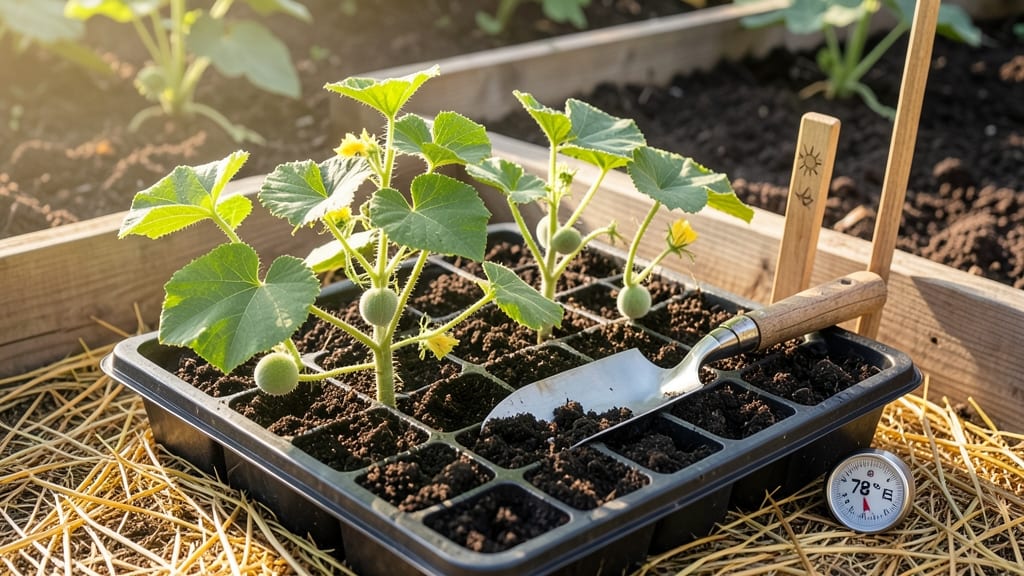
Planting cantaloupe in Zone 9b at the wrong time can turn your sweet dreams into bitter melons—trust me, I’ve learned the hard way. The key isn’t just about timing; it’s about syncing your seeds with the desert’s heat wave patterns to ensure faster ripening and juicier fruit.
Unlike cooler climates, Zone 9b (think Phoenix or Southern California deserts) gives you a 365-day growing window, but that doesn’t mean you can plant anytime. Late winter to early spring—specifically February through March—is your sweet spot when soil temperatures hit that magic 70°F (21°C) threshold.
Here’s the game-changer: skipping the rush to plant early. Those sudden spring heat spikes can shock young seedlings, leaving you with stunted vines or worse, no fruit at all. I’ll show you how to time it perfectly—plus, 3 heat-wave hacks to protect your 🍈 and speed up harvests.
Ready to beat the desert heat and grow cantaloupes that’ll make your neighbors jealous? Let’s dive into the exact planting window, soil tricks, and variety picks that’ll turn your patch into a melon goldmine.
Optimal planting timeline for cantaloupe in Zone 9b (with heat wave adjustments)
Zone 9b’s year-round growing season means cantaloupes can thrive—but timing matters. Planting too early exposes seedlings to heat stress, while waiting too long shortens the harvest window. The sweet spot is when soil temperatures hit 70°F (21°C), typically in late February to early March.
Unlike cooler zones, Zone 9b has no frost risk, so focus on heat wave timing. Avoid planting during March heat spikes (common in Phoenix or Palm Springs), which can scorch young plants. Instead, aim for post-heatwave windows in early spring or late winter.
For direct sowing, wait until mid-March when daytime temps stabilize above 75°F (24°C). If transplanting, start seeds indoors 4-6 weeks before your target outdoor date to give seedlings a head start against desert heat.
Here’s your Zone 9b cantaloupe planting calendar, adapted for heat waves and soil conditions:
Pro tip: Use a soil thermometer to confirm 70°F+ soil temps before planting. In inland desert areas like Phoenix, wait until April if March heatwaves exceed 90°F (32°C).
For coastal Zone 9b (e.g., San Diego), you can plant 1-2 weeks earlier thanks to milder microclimates. Monitor local weather forecasts for Santa Ana winds, which can dry out soil rapidly.
After planting, prioritize consistent moisture—cantaloupes need 1-2 gallons of water per plant every 2-3 days. Mulch with straw or black plastic to retain soil moisture and regulate temperature swings.
Remember: Heat wave timing is critical. If temps spike above 95°F (35°C) during flowering, use shade cloth (30-50%) to protect blossoms. This ensures better pollination and sweeter fruit.
🌱
Optimal planting timeline for cantaloupe in Zone 9b (with heat wave adjustments)
Zone 9b’s mild winters and scorching summers create a unique challenge for cantaloupe growers. Unlike frost-sensitive zones, your 365 frost-free days mean timing is all about avoiding spring heat spikes that can shock seedlings.
The sweet spot? Plant when soil temps hit 70°F (21°C)—typically mid-February to early March—but adjust for your microclimate.
Inland areas like Phoenix or Palm Springs may need to wait until late March to escape early heatwaves, while coastal zones (e.g., San Diego) can start as early as February. Always check 7-day soil forecasts—sudden heat surges above 90°F (32°C) can fry young plants before they establish roots.
📅 Zone 9b Cantaloupe Planting Calendar
| Stage | Action | Soil Temp | Heat Risk |
|---|---|---|---|
| Late Jan - Early Feb | Start seeds indoors (6-8 weeks before transplant) | 60-65°F (15-18°C) | Low |
| Mid-Feb - Early Mar | Transplant seedlings (after last 80°F+ heatwave) | 70-75°F (21-24°C) | Moderate |
| Late Mar - Early Apr | Direct sow seeds (if soil stays above 70°F) | 75-80°F (24-27°C) | High |
| May - June | Harvest (75-90 days after transplant) | 85-95°F (29-35°C) | Very High |
Pro Tip: Use a soil thermometer to confirm temps—cantaloupe roots need warmth to thrive! 🌡️
For direct sowing (skipping seedlings), drop seeds ½-inch deep when soil is consistently 75°F+. In Zone 9b, this often means waiting until April—but the trade-off is hardier plants that handle summer heat better. If you’re impatient, opt for transplants from a nursery hardened to 90°F+ conditions.
Watch for heatwave warnings in your area—even a 3-day stretch above 100°F (38°C) can stress young cantaloupes. My go-to trick? Lay down black plastic mulch 2 weeks before planting to warm the soil faster and reduce evaporation. This shaves 10-14 days off your growing season!
Once planted, focus on deep watering (1-2 gallons per plant) every 2-3 days—shallow watering leads to bitter fruit. In desert areas, I add 3 inches of organic mulch (straw or wood chips) to lock in moisture and keep roots cool.
This is non-negotiable in Zone 9b’s intense sun.
By following this timeline, you’ll avoid the two biggest Zone 9b pitfalls: heat shock in seedlings and overripe fruit from scorching summer temps. Your reward? Sweeter, faster cantaloupes than your neighbors—guaranteed! 🍈