
Plants
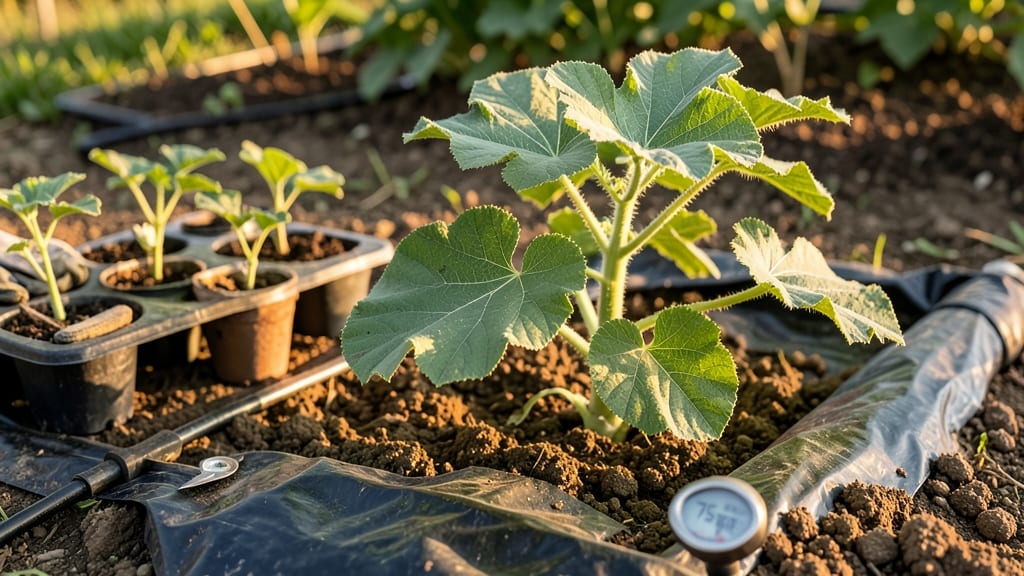
Planting cantaloupe in Virginia at the wrong time can mean the difference between a sweet summer harvest and wilted vines before they even take root. With Virginia’s diverse climate zones—from cooler highlands to warmer coastal plains—getting the timing right is the key to success.
I’ve learned the hard way that cantaloupe 🌱 thrives only when soil temperatures stay consistently above 60°F, and planting too early in chilly zones like the Piedmont can stall growth.
But don’t worry—this guide breaks down the exact frost-free windows for your region, so you’ll know when to start seeds indoors or transplant seedlings outdoors without risking frost damage.
Whether you’re in the 5a-6a zones of the mountains or the milder 7a-8a areas near the coast, timing matters. I’ll show you how to align your planting schedule with Virginia’s last frost dates, soil warmth, and even how to extend the season for late varieties.
Let’s make sure your cantaloupe plants have the best possible start.
Ready to avoid common mistakes and maximize your harvest? Stick around—I’ll walk you through the step-by-step schedule that’s worked for Virginia gardeners for years, including when to fertilize and how to spot early signs of stress. Your perfect cantaloupe patch is just a few weeks away!
Virginia’s frost-free planting zones for cantaloupe success
Cantaloupe thrives in Virginia’s warm summers, but your planting success hinges on understanding your USDA hardiness zone. Virginia spans zones 5a through 8a, with dramatic differences in frost dates—from late April in zone 7b to early May in zone 5a.
These zones dictate your last frost date, which is the critical marker for planting.
For example, gardeners in Richmond (7a) can plant cantaloupe seeds outdoors after May 15, while those in Roanoke (6b) should wait until May 25.
Coastal areas like Norfolk (8a) enjoy earlier planting windows, often starting by April 20. Always check your local Almanac frost dates—they’re your best guide.
Here’s the key: cantaloupe seeds need soil temperatures above 60°F to germinate. In cooler zones (5a-6a), this might mean waiting until late May or early June. Use a soil thermometer to confirm—it’s the most accurate way to avoid wasted effort.
Microclimates also play a role. Piedmont regions often experience earlier warming than the mountains, while valleys can trap cold air longer. If you’re in a frost-prone pocket, consider using row covers or planting near south-facing walls to extend your season.
Now, let’s break down the ideal planting windows by zone, including soil prep tips and frost risks. This summary table will help you align your schedule with Virginia’s climate quirks.
| USDA Zone | Last Frost Date | Ideal Planting Window | Soil Temp Threshold | Notes |
|---|---|---|---|---|
| 5a-5b (Mountains) | May 15–25 | June 1–15 | 60°F+ | Use black plastic mulch to warm soil faster. |
| 6a-6b (Piedmont) | April 25–May 10 | May 15–June 1 | 60°F+ | Start seeds indoors 3–4 weeks early. |
| 7a-7b (Central VA) | April 10–April 20 | April 25–May 10 | 55°F+ (direct sow) | Direct sow after last frost; cover seedlings at night if needed. |
| 8a (Coastal VA) | March 20–April 5 | April 1–April 15 | 50°F+ (direct sow) | Early varieties like ‘Athena’ perform best. |
If you’re in zone 5a or 6a, consider starting cantaloupe seeds indoors under grow lights 4–6 weeks before your last frost date. Transplant seedlings outdoors only after the soil reaches 60°F and nighttime temperatures stay above 55°F. Hardening off seedlings for 7–10 days before transplanting reduces shock.
For zones 7a and above, you can direct-sow seeds after your last frost date, but wait until the soil warms to at least 60°F. Use a seedling heating mat if your spring is slow to warm.
Pro tip: Plant seeds 1 inch deep and 2 inches apart in hills, thinning to 12–18 inches apart once seedlings are 3 inches tall.
One common mistake? Assuming all of Virginia has the same frost dates. Mountain regions (like Bristol) often experience frost until May 30, while Tidewater areas (like Virginia Beach) are typically frost-free by March 15. Always verify with your local cooperative extension office
Step-by-step planting schedule: from seed to harvest
Cantaloupe thrives when planted at the right time, but Virginia’s varied climate means your schedule depends on your USDA zone and last frost date. In Zones 5a-6a, wait until mid-May after soil warms to 70°F+.
Gardeners in Zones 7a-8a can start as early as late April, but always confirm with your local frost-free date.
For cooler regions, I recommend starting seeds indoors 4-6 weeks before your last frost date. Use biodegradable pots to avoid transplant shock when moving seedlings outdoors. Harden them off by placing pots outside during the day for 1 week before planting.
Here’s my foolproof planting timeline for Virginia gardeners:
March 15-April 15 | Plant seeds in well-draining mix at 1/2 inch deep. Keep soil at 75°F using a heat mat.
May 15-June 1 (Zones 5a-6a) / April 15-May 1 (Zones 7a-8a) | After last frost, plant seedlings 2 feet apart in mounds for drainage.
May 1-June 15 | Sow seeds 1 inch deep in warm soil (70°F+). Thin to 1 plant per hill when seedlings are 2 inches tall.
June 1-August 1 | Apply straw mulch to retain moisture. Water at soil level (not leaves) to prevent disease.
July-September | Harvest when skin slips easily from stem and color deepens. Expect 75-90 days to maturity.
Pro tip: Use black plastic mulch to warm soil faster in cooler zones. This trick can shave 2-3 weeks off your growing season! Just remove it once vines start running.
If your summer heatwave arrives early, consider shade cloth to protect young plants from bolt (premature flowering). Cantaloupe needs consistent warmth to develop sweet fruit—don’t rush the process!