
Plants
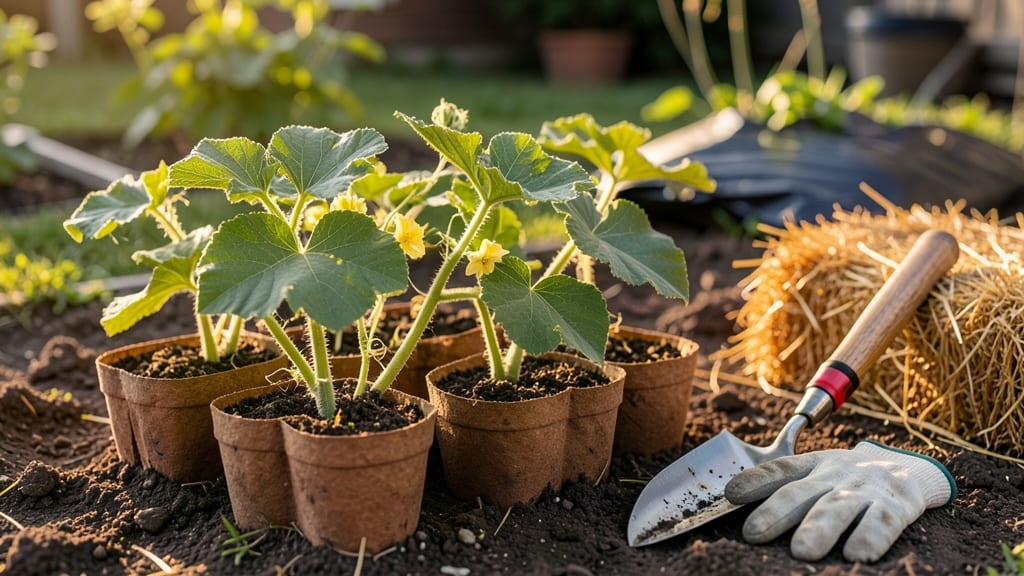
Planting cantaloupe in Indiana isn’t just about checking a calendar—it’s about waiting for that perfect moment when soil warmth and frost-free skies align. 🍈 The difference between a thriving patch of sweet melons and a sad, wilted experiment often comes down to timing, and Indiana’s unpredictable spring can make or break your harvest.
Most gardeners in zones 5b-6b rush to plant too early, only to watch their seeds rot in cold soil or young plants succumb to late frosts. The key isn’t just avoiding frost dates—it’s ensuring your cantaloupe gets the consistent warmth it craves to germinate and thrive.
I’ll show you exactly when to plant for Indiana’s climate, so you can skip the guesswork and enjoy a bountiful harvest.
Whether you’re direct-sowing seeds or transplanting seedlings, understanding your local microclimate makes all the difference. From urban heat islands to rural chill, Indiana’s regions behave differently—and knowing these nuances can add weeks to your growing season.
Let’s break down the best windows, soil tricks, and variety picks to set your cantaloupe up for success.
By the end, you’ll know not just when to plant, but how to create the ideal conditions for cantaloupe to flourish in your Indiana garden. Ready to turn your patch into a melon paradise? Let’s get started.
Indiana’s ideal planting windows for cantaloupe success
Timing your cantaloupe planting in Indiana isn’t just about checking a calendar—it’s about balancing frost-free dates, soil warmth, and your specific region’s microclimate. Cantaloupes are warm-season crops that bolt (go to seed) or rot if planted too early, while late plantings risk stunted growth before Indiana’s first frost. Let’s break down the exact windows that work for your part of the state.
Indiana spans USDA Zones 5b–6b, meaning frost dates vary dramatically. Northern areas (like Gary) may see frost until May 15, while southern regions (like Evansville) often clear by April 15.
The safest bet? Aim for a 4-week window between your last frost date and when soil hits 70°F consistently. This typically lands between mid-April and mid-May for most gardeners.
Here’s where regional differences matter: Urban areas like Indianapolis often warm up faster than rural spots due to the “heat island” effect. If you’re in Zone 6b, you might push plantings to late April; in Zone 5b, wait until mid-May.
Always verify your local frost data—Indiana’s Purdue Extension provides updated maps each year.
Pro tip: Use biodegradable row covers or black plastic mulch to warm soil faster in cooler zones. This can shave 1–2 weeks off your planting timeline without risking frost damage. Just remove covers once vines emerge to prevent overheating.
If you’re eager to start earlier, consider starter plants instead of direct-sowing seeds. Seedlings can handle slightly cooler soil (60°F+) and give you a 2-week head start. Just harden them off properly—Indiana’s spring winds can shock tender cantaloupe starts if you rush transplanting.
For direct-sowing, wait until nighttime temps stay above 60°F. A simple trick: Press your hand into the soil at 1-inch depth—if it feels warm (like a hot cup of tea), it’s ready.
Cold soil (below 55°F) causes seeds to rot or sprout unevenly, leading to patchy, weak vines that struggle to produce fruit.
Don’t overlook succession planting for a longer harvest. In southern Indiana, you can squeeze in a second planting by June 15 for a late-summer crop. Use fast-maturing varieties (like ‘Athena’) and provide drip irrigation to keep soil moist during Indiana’s dry July heat.
Remember: Cantaloupes need 90+ frost-free days to mature. If your first frost is October 15, you’re safe with plantings by July 15**—but yields will be smaller. Prioritize early-season varieties for the best results.
Soil warmth & cantaloupe germination: what Indiana gardeners miss
Cantaloupe seeds are famously finicky about soil temperature—they won’t germinate unless the ground reaches a consistent 55–60°F. In Indiana’s cooler zones (like northern areas), this often means waiting until mid-to-late May when soil finally warms up naturally.
Planting too early leads to rotten seeds or seedlings that struggle to emerge, wasting your time and resources.
Many gardeners make the mistake of relying on air temperature instead of soil warmth. A sunny 70°F day doesn’t mean the soil is ready—it could still be 10–15°F cooler below the surface.
This discrepancy is why cantaloupe seeds planted in April often fail to sprout, leaving you scratching your head when your neighbor’s melons thrive.
🔍 DIY Soil Temperature Test: Use a meat thermometer (cleaned!) to check soil depth at 2 inches—the depth where seeds are planted. If it’s below 55°F, wait. For a quick fix, lay black plastic mulch 1–2 weeks before planting to absorb sunlight and warm the soil faster.
This trick can shave off critical weeks in Indiana’s unpredictable spring.
⚠️ Warning: Cold Frames Can Backfire
Using cold frames or row covers too early traps moisture and cools soil further, creating the perfect conditions for seed rot. Only use them after soil reaches at least 50°F—and even then, remove them during the day to let warmth in. Overzealous gardeners often smother their seeds this way, thinking they’re helping.
If you’re eager to start earlier, consider starter plants from a nursery. These are already hardened off and can handle slightly cooler soil (though still not below 55°F). Just be prepared to transplant carefully—cantaloupe roots are sensitive, and shock can set back growth by weeks.
For those in southern Indiana (like Evansville or Madison), soil warms faster, and you might get away with planting as early as mid-April. But in northern zones (Fort Wayne, Gary), hold off until after Memorial Day unless you’re using soil-warming tricks like black plastic or row covers timed perfectly.
Pro tip: Monitor your local soil temps via resources like the Indiana State Climate Office or apps like GrowVeg. These tools predict when your soil will hit the sweet spot for cantaloupe—saving you from guesswork and failed plantings.
Once you nail this step, your cantaloupe vines will take off like a rocket in July! 🌱