
Plants
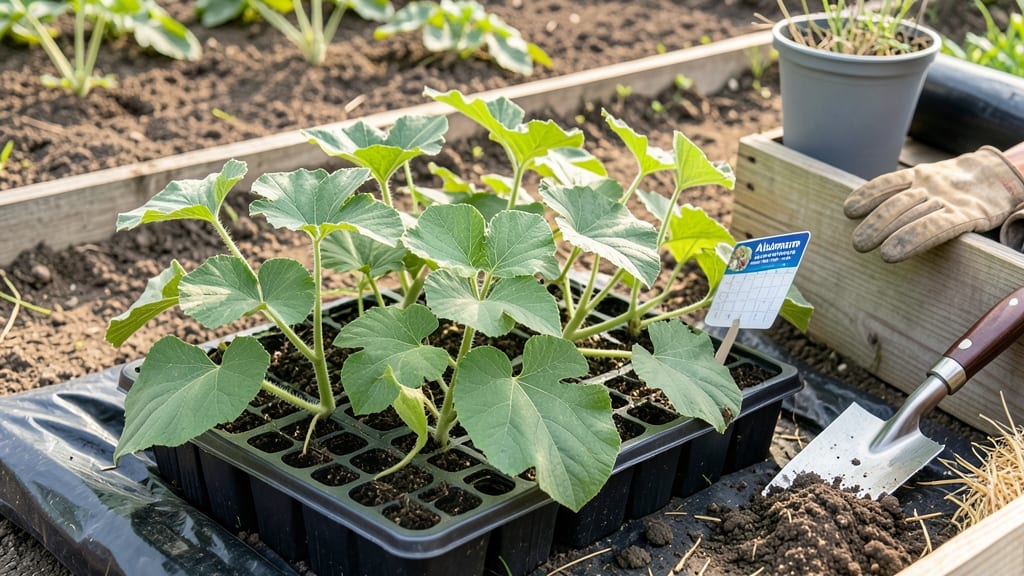
Planting cantaloupe in Alabama isn't just about checking a calendar—it's about waiting for the soil to hit that sweet 70°F threshold where seeds spring to life in just 5-7 days.
Too early, and your vines will wilt before they even take root; too late, and you might miss the peak summer harvest window when Alabama's heat works in your favor.
I've learned the hard way that rushing these 🍈 melons leads to slow starts, while perfect timing means faster germination and bigger yields.
The key difference between a thriving patch and a failed attempt often comes down to understanding your specific microclimate—whether you're in North Alabama's cooler 7b zones or the warmer 8b regions where planting can begin weeks earlier.
What you'll discover here is how to read your soil's temperature cues, adjust for Alabama's unpredictable spring weather, and choose the right varieties that thrive in our 210-day growing season. We'll cover everything from soil prep to post-planting care that keeps your cantaloupes growing strong through Alabama's summer heat.
Ready to transform your garden into a cantaloupe oasis? Let's dive into the exact timing and techniques that will give you the fastest, most reliable harvests in Alabama's climate—no guesswork required.
Alabama’s ideal cantaloupe planting window based on soil temperature
Cantaloupes thrive in Alabama’s heat, but soil temperature—not just calendar dates—determines success. The magic number is 50°F+ for germination, but seeds won’t sprout reliably until 70°F+.
In North Alabama (USDA Zone 7b), this typically aligns with mid-April to early May, while South Alabama (Zone 8a/8b) gardeners can start as early as late March.
Skipping the soil warmth test is a common mistake. Cold soil delays germination by weeks, leaving vines vulnerable to late frosts or pests. I’ve seen cantaloupe seeds planted in 55°F soil take 3+ weeks to sprout—by then, Alabama’s humidity spikes, inviting powdery mildew.
Use a soil thermometer ($10 at garden centers) to check warmth at 4-inch depth. Morning readings are most accurate. For reliable germination, aim for 75°F+—this is when seeds typically sprout in 5-7 days.
| Region | USDA Zone | Ideal Planting Window | Soil Temp Threshold | Notes |
|---|---|---|---|---|
| North Alabama | 7b | Mid-April to early May | 70°F+ | Later frosts risk; use row covers |
| Central Alabama | 8a | Late March to mid-April | 65°F+ | Humidity peaks; monitor for mildew |
| South Alabama | 8b | Late February to March | 60°F+ | Pests active earlier; rotate crops |
Alabama’s microclimates create 2-3 week planting shifts between regions. For example, Huntsville (Zone 7b) may wait until April 15, while Mobile (Zone 8b) can start March 1. Even within cities, urban heat islands can warm soil 5-10°F faster than rural areas.
If you’re unsure about your zone, check the Alabama Extension’s frost map or use the USDA Plant Hardiness Zone Map. I’ve mapped my Homewood garden (Zone 8a) and found that black plastic mulch raises soil temps by 5-7°F, letting me plant 10 days earlier than bare soil.
For extended seasons, plant ‘Athena’ cantaloupe (early variety) in late February (South AL) under row covers. Or try ‘Hale’s Best’ in mid-May for a fall harvest before frost. Just remember: cantaloupes need 75-90 days to mature, so late plantings risk small fruit.
Pro tip: Pre-warm soil in early spring by laying down clear plastic for 2-3 weeks before planting. This tricks the ground into warmer temps without waiting for nature. I’ve seen soil temps jump from 55°F to 70°F+ in just 10 days using this trick.
Finally, avoid planting cantaloupe after June 15 in most of Alabama. The heat and humidity combine to create poor pollination and fruit rot. Instead, focus on succession planting every 2 weeks from April to May for a steady harvest.
🌱
Alabama’s ideal cantaloupe planting window based on soil temperature
Alabama’s cantaloupe planting success hinges on one critical factor: soil temperature. Seeds won’t germinate reliably until the soil reaches a consistent 70°F—a threshold that typically arrives between mid-April and early June, depending on your region.
In North Alabama’s USDA Zone 7b, you might wait until late April, while South Alabama’s Zone 8b gardeners can start as early as mid-April.
This timing aligns with Alabama’s 210-day frost-free season, giving cantaloupes enough warmth to mature before summer’s end. The key is patience—rushing seeds into cold soil (below 50°F) causes rot, while waiting until after May 15th might delay your harvest until late summer.
Here’s how to determine your exact planting window using soil temperature as your guide:
| Region | USDA Zone | Soil Temp Threshold | Planting Window | Harvest Window |
|---|---|---|---|---|
| North Alabama | 7b | 70°F+ (late April) | Late April–May 15 | July–August |
| Central Alabama | 8a | 70°F+ (mid-April) | Mid-April–early June | June–September |
| South Alabama | 8b | 70°F+ (early April) | Early April–late May | May–October |
🌡️ Pro Tip: Use a soil thermometer to confirm warmth before planting.
To test your soil’s readiness, bury a soil thermometer 2 inches deep for 3 consecutive days. If temperatures consistently hit 70°F, it’s time to plant. In Alabama’s unpredictable spring, this might mean waiting until early June in cooler microclimates or urban heat islands.
For those eager to start earlier, consider black plastic mulch or row covers to warm the soil faster—especially in North Alabama where frost risks linger. These methods can shave off 2-3 weeks from your planting timeline, giving you an earlier harvest.
Once your soil passes the 70°F threshold, act fast—cantaloupe seeds germinate in just 5-7 days when conditions are ideal. Plant seeds 1 inch deep and 2 feet apart in hills, with vines spreading 3-6 feet for maximum sun exposure.
This spacing ensures strong vines and fewer diseases in Alabama’s humid summers.
Remember, cantaloupes thrive on heat and sunlight, so choose a location with 6-8+ hours of direct sun daily. In Alabama, this often means planting near the south or west side of your garden where the afternoon sun boosts growth.
With the right timing and care, your cantaloupe patch will reward you with sweet, ripe fruit by mid-summer—just in time for Alabama’s peak harvest season. 🍈