
Plants
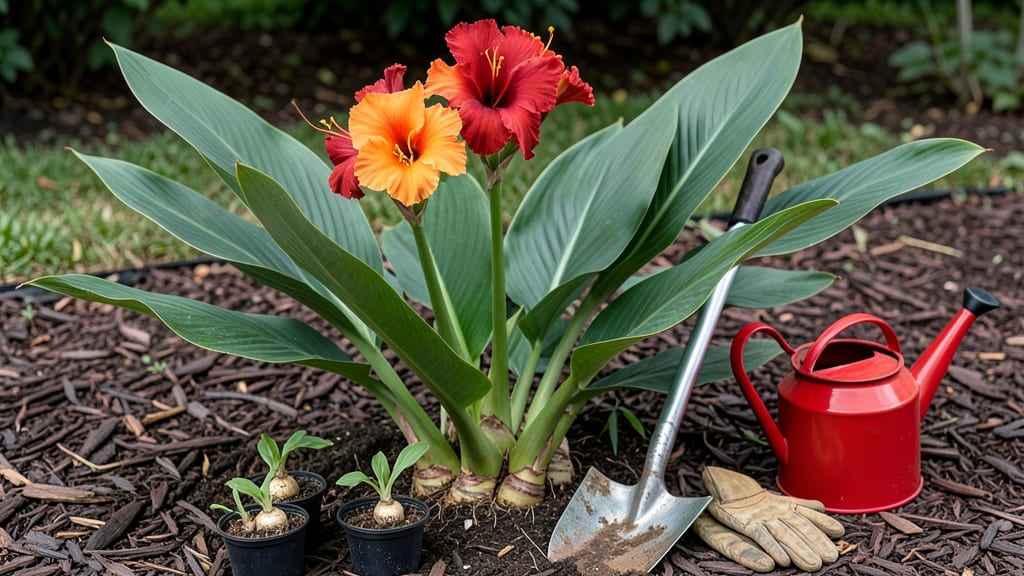
Planting cannas in Oklahoma isn't just about waiting for spring—it's about timing them perfectly to dodge both late frosts and scorching summer heat. The 6b-7a zone means your tropical 🌺 cannas need a narrow window to thrive, and missing it could mean lost blooms or stunted growth.
I’ve learned the hard way that planting too early risks frost damage, while waiting too long leaves your garden missing out on those stunning summer blooms. The secret lies in understanding Oklahoma’s last frost dates and heat patterns—something I’ll break down so you can plant with confidence.
In this guide, you’ll discover the exact April 15–May 15 window that works best, plus soil prep tips and heat survival strategies tailored to Oklahoma’s climate. Whether you’re a first-time gardener or a seasoned pro, these insights will help your cannas flourish all season long.
Ready to grow bold, vibrant cannas that outlast the heat? Let’s get started with the timing and techniques that make all the difference in Oklahoma’s unpredictable growing season.
Oklahoma heat zone deadlines for planting cannas by region
Oklahoma’s USDA zones 7a-8a create a tricky balance—too early, and frost zaps your cannas; too late, and summer’s brutal heat stunts growth. The key is planting after the last frost (typically mid-April to early May) but before soil temperatures hit 90°F+.
Let’s break it down by region to lock in your perfect planting window.
Northern Oklahoma (Zones 7a-7b) has earlier frost risks and cooler summers. Aim for April 20–May 5, when nighttime temps stay above 55°F. Southern Oklahoma (Zone 8a) can push planting to May 10–20, but watch for heat spikes—cannas wilt if soil exceeds 95°F for days.
Microclimates matter! Urban areas like Oklahoma City trap heat, so plant 1–2 weeks earlier than rural zones. Windy western regions (e.g., Lawton) need windbreaks to protect young shoots—delay planting until May 1 if winds exceed 15 mph.
| Region | USDA Zone | Last Frost Date | Ideal Planting Window | Heat Warning |
|---|---|---|---|---|
| Northern OK (Tulsa, OKC) | 7a-7b | April 15–25 | April 20–May 5 | Soil >90°F by June |
| Central OK (Stillwater, Norman) | 7b | April 10–20 | April 25–May 10 | Heat waves start May 20 |
| Southern OK (Lawton, Altus) | 8a | March 25–April 10 | May 10–20 | Soil >95°F by May 30 |
| Western OK (Guymon, Woodward) | 7a | April 20–May 1 | May 5–15 | Wind + heat combo |
For zero-frost survival, harden off cannas by placing them outside for 2–3 hours daily starting 2 weeks before planting. If nighttime temps dip below 50°F, cover young plants with frost cloth—but remove it by 10 AM to avoid overheating.
Pro tip: Plant heat-tolerant varieties like ‘Striped’ or ‘Purple Haze’ in southern Oklahoma—they handle 100°F+ soil better than standard types. In northern zones, opt for ‘Dwarf’ cannas (2–3 ft tall) to avoid wind damage.
Monitor your local Oklahoma Mesonet for real-time soil temps—aim for 65–75°F at planting depth. If soil is colder, wait 1–2 weeks or use black plastic mulch to warm it faster.
Once planted, mulch with 3–4 inches of straw to insulate roots. This keeps soil 10–15°F cooler during summer peaks, giving cannas a fighting chance against Oklahoma’s 100°F+ afternoons.
Remember: Cannas are tropical drama queens—they demand consistent warmth. If you plant too early and frost hits, your rhizomes may rot. Too late, and they’ll bolt to seed before blooming. Stick to these deadlines, and you’ll have bold, blooming cannas from July to frost.
Signs your Oklahoma soil and climate are ready for cannas
Before you rush to plant your canna rhizomes, check these three key indicators that your Oklahoma garden is ready. Cannas thrive in warm soil and consistent heat, so timing matters—especially when early frosts or lingering cold snaps can sneak up.
First, monitor your soil temperature. Cannas won’t sprout until the ground reaches at least 60°F (15°C). Use a soil thermometer to confirm—if it’s cooler, wait. In Oklahoma’s USDA zones 7a-8a, this typically aligns with late April to early May, but urban areas may warm faster.
Next, observe your local microclimate. Windy spots or shaded areas can delay warming. If your garden sits in a heat sink (like pavement or concrete), soil heats up quicker—ideal for early planting. Conversely, windy locations may need a protective barrier like a windbreak or raised bed to retain warmth.
Finally, watch for humidity shifts. Cannas prefer moderate humidity, but Oklahoma’s dry springs can stress young plants. If your area is unusually dry, mulch heavily to retain moisture and reduce transplant shock.
Key Takeaway for Oklahoma Gardeners
Plant cannas only when soil hits 60°F+, frost risk is zero, and humidity stabilizes. Use mulch in dry areas to create ideal conditions.
For extra confidence, test your soil drainage. Cannas hate soggy roots, so amend heavy clay with compost or sand if needed. A quick percolation test—pour water on a shovel of soil—will reveal if water drains within 30 minutes. Slow drainage? Raise beds or add organic matter.
Once these signs align, your cannas will sprout faster and bloom boldly. Miss them, and you risk stunted growth or frost damage. Oklahoma’s last-frost dates vary by region, but waiting until mid-May ensures safety in most areas.
Pro tip: Start rhizomes indoors in biodegradable pots 4-6 weeks before your target planting date. This gives you a head start and lets you harden off plants before transplanting—critical for Oklahoma’s unpredictable spring weather.