
Plants
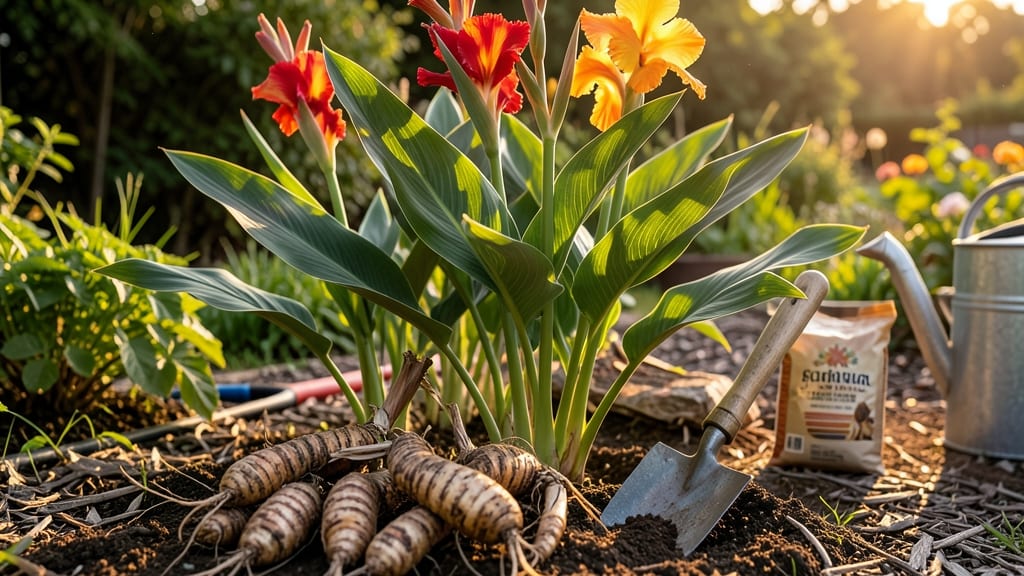
Planting canna bulbs in Missouri feels like a high-stakes game of timing—get it right, and you’ll reward yourself with bold, tropical blooms all summer; get it wrong, and frost will turn your hopes into sad, wilted stems.
The key isn’t just waiting for spring—it’s waiting for the perfect heat trigger that tells these heat-loving plants it’s finally safe to emerge.
Most Missouri gardeners treat cannas as annuals, digging up bulbs before the first frost. But with the right strategy, you can coax them to return year after year.
The secret lies in soil temperature: cannas won’t sprout until the ground hits a steady 60°F, usually around mid-May in zones 5b-6b. That’s when the real magic begins.
If you’ve ever stared at your garden calendar, wondering whether to plant now or wait, this guide cuts through the guesswork. We’ll break down the exact window for Missouri’s climate, plus pro tips to extend blooms and protect your investment from late frosts.
No more second-guessing—just vibrant, reliable 🌺 canna displays that steal the show.
Ready to transform your garden into a summer paradise? Let’s dive into the ideal planting timeline and the small details that make all the difference—because in Missouri, timing isn’t just about the calendar, it’s about the thermometer.
Missouri’s ideal canna bulb planting timeline by hardiness zone
Missouri spans USDA zones 5b through 7a, and canna bulbs thrive best when planted after the last frost date—typically mid-to-late April in most regions. However, soil temperature matters more than calendar dates.
Cannas need soil that’s warmed to at least 60°F before planting, which often aligns with late April to early May in southern Missouri and early to mid-May in northern areas.
These tropical-looking plants are not cold-hardy, so treating them as annuals is safest in Missouri’s climate. If you’re ambitious, you can attempt overwintering in zones 6a-7a by digging up tubers after frost, but most gardeners opt for fresh bulbs each spring to avoid winter losses.
Here’s how to align your planting with Missouri’s zones and climate quirks:
| Zone | Last Frost Date | Ideal Planting Window | Soil Temp Threshold | Notes |
|---|---|---|---|---|
| 5b (Northern MO) | Mid-May | Late May (after soil warms) | 60°F+ | Use black plastic mulch to warm soil faster |
| 6a (Central MO) | Early May | Early to mid-May | 60°F+ | Start tubers indoors 4-6 weeks early |
| 6b-7a (Southern MO) | Mid-April | Late April to early May | 55°F+ (earlier possible) | Longer growing season—plant earlier |
For zone 5b gardeners, consider using black plastic mulch or row covers to accelerate soil warming. In zones 6b-7a, you can push planting to late March if using a cold frame or greenhouse, but wait until soil reaches 55°F for best results.
Missouri’s 165-day frost-free season is tight for cannas, which need 90-120 days to mature. Planting too late risks stunted growth or no blooms. Aim for June 1st as your latest planting date in northern zones to ensure flowers by fall.
Pro tip: Pre-sprout bulbs indoors 4-6 weeks before your target planting date. Place them in a bright, warm spot (70°F+) and watch for green shoots. This gives you a 2-week head start on the season and helps compensate for Missouri’s cool springs.
If you’re in zone 6a or warmer, you can also try fall planting in late August to early September. The bulbs establish roots before winter, then shoot up early in spring. This method works best in well-drained soil with thick mulch to protect from freeze-thaw cycles.
Remember, cannas are not frost-tolerant at any stage. If an unexpected late spring frost threatens, cover plants with frost cloth or row covers. For container-grown cannas, move them to a protected location during cold snaps.
Missouri’s summer heat is perfect for cannas once established, but early season growth can be sluggish if planted too late. Balance your timing between avoiding frost and maximizing the growing season—this is the key to bold, long-lasting blooms all summer long. 🌺
5 Critical signs your Missouri garden is ready for canna bulbs
Missouri’s spring weather can swing wildly—one day warm enough to plant, the next with a surprise frost. To avoid risky guesswork, focus on these 5 key indicators that your garden is truly ready for canna bulbs.
These heat-loving plants thrive when conditions align with their tropical roots, and these signs ensure you’re planting at the perfect moment.
First, check your soil temperature. Cannas demand soil that’s at least 60°F—any cooler, and their roots won’t activate. Use a DIY soil thermometer (a simple meat thermometer works!) to test depth.
If it’s still below 60°F, wait another week or two. Cold soil slows growth and invites rot, so patience here pays off with lush, healthy foliage.
Next, monitor nighttime temperatures. Cannas can’t handle frost, but they also struggle if nights dip below 55°F for extended periods. Keep an eye on your local weather forecast and aim to plant when nighttime lows consistently stay above 55°F.
In Missouri, this typically means waiting until mid-to-late May in most zones, but southern Missouri may see safe conditions by early May.
Daytime temperatures also matter—cannas need 70°F+ to sprout efficiently. If your mornings are still chilly, your bulbs may sit dormant for weeks. Look for consistent warmth as a green light.
Pair this with the last frost date for your area: in Missouri, this ranges from April 15 in southern zones to May 1 in northern areas, but don’t rely solely on dates—actual weather is your best guide.
Finally, observe nearby plants as a natural barometer. If your tomatoes, peppers, or marigolds are already showing vigorous growth, your garden is likely ready for cannas. These plants share similar warmth requirements, so their success signals safe conditions.
Conversely, if your cool-season crops like lettuce or spinach are bolting (going to seed), it’s a sign the soil is warming up—time to prep your canna beds!
Once all five signs align, it’s go time. Plant your canna bulbs 2-4 inches deep and 12-18 inches apart, then water deeply to encourage root establishment. With these cues, you’ll avoid the heartbreak of frost-damaged shoots and enjoy bold, tropical blooms all summer long. 🌺