
Plants
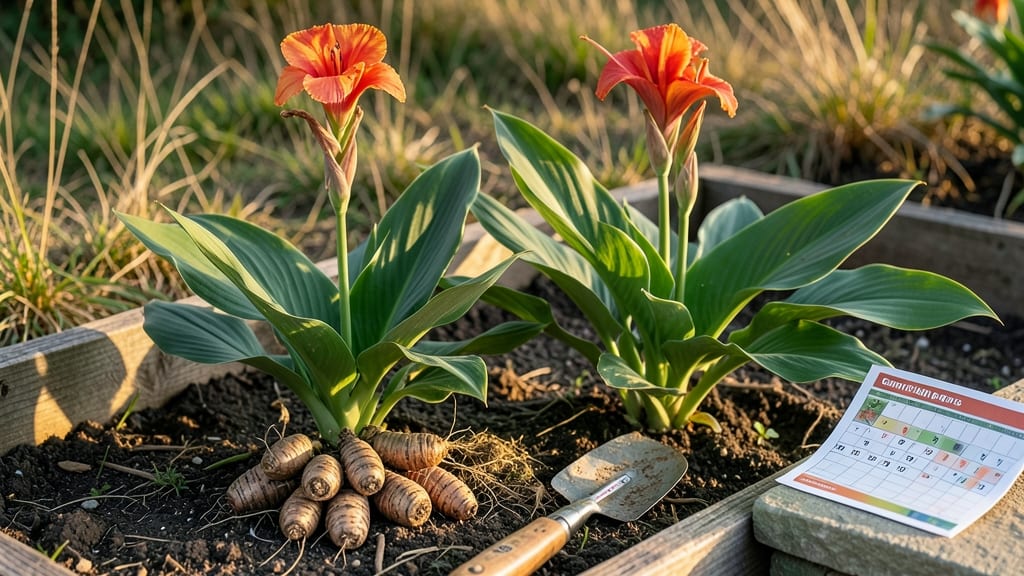
Planting your Canna Lily 🌺 bulbs at the wrong time in Nebraska can mean the difference between a stunning summer display and a sad, frost-nipped disappointment.
The key to vibrant blooms lies in waiting until the soil warms to at least 60°F and all frost danger has passed—typically mid-to-late May in most of the state.
Why does timing matter so much? Unlike hardy perennials, cannas are tropical showstoppers that need warmth to thrive. In Nebraska’s USDA Zone 5b, planting too early risks cold snaps damaging tender shoots, while waiting too long might cut your bloom season short.
Let’s break down the perfect window and what you can do to give your cannas the best possible start.
You’ll discover how to read Nebraska’s frost-free timeline, when to prep your soil, and whether these beauties return year after year or need replanting. Spoiler: there’s a smart trick for extending their season even in our shorter growing zone. Ready to turn your garden into a canna paradise?
Whether you’re a first-time planter or a seasoned gardener, these insights will help you avoid common mistakes and maximize your Canna Lily’s dramatic foliage and bold blooms. Let’s get those bulbs in the ground at the perfect moment for a show-stopping summer.
Nebraska’s frost-free timeline for planting canna bulbs (with local data)
Nebraska’s USDA hardiness zones 4-6 create a tricky balance for canna bulbs, which thrive in warmth but die in frost. The key to success? Planting after your last frost date—typically mid-to-late May—when soil temperatures hit 60°F+.
Rural areas may warm faster than cities, so adjust your timing based on your microclimate.
Canna bulbs need 120-150 frost-free days to mature, and Nebraska’s 165-day growing season (April 15 to October 15) gives you just enough time if you plant early. Late starts risk stunted growth, while early planting can expose tender shoots to unexpected late frosts.
Use Nebraska Extension’s frost data as your guide: Omaha’s last frost averages April 25, while western Nebraska (e.g., Scottsbluff) sees frost-free conditions by April 10. Eastern areas like Lincoln may wait until May 5 or later. Always check your local Almanac or weather station for real-time updates.
Soil temperature is more critical than air temperature. Cannas won’t sprout until the ground reaches 60°F. Use a soil thermometer to confirm—planting too early in cold soil delays growth and weakens roots. In cooler years, wait until late May to avoid disappointment.
If you’re eager to start earlier, consider container gardening or a cold frame. These methods let you harden off bulbs indoors or in a protected space, then transplant after the last frost. Just be prepared to move containers indoors if frost threatens.
Here’s your Nebraska-specific planting timeline broken down by zone and task:
| Zone | Last Frost | Ideal Planting Window | Soil Temp Requirement | Microclimate Note |
|---|---|---|---|---|
| 4a (Western NE) | April 10 | Mid-April to May 1 | 60°F+ | Dry, warms fast |
| 5a (Central NE) | April 20 | Late April to May 10 | 60°F+ | Moderate humidity |
| 5b (Omaha/Lincoln) | April 25 | May 1-15 | 60°F+ | Urban heat islands |
| 6a (Southeast NE) | May 5 | May 15-30 | 60°F+ | Wetter, slower warming |
Pro tip: If you plant in containers, you can move them to sheltered spots at night during late spring frosts. This buys you 1-2 extra weeks of growing time. Just ensure containers have drainage holes to prevent root rot in Nebraska’s occasional heavy rains.
For direct-sown bulbs, choose a south-facing location that warms up quickly. Avoid low-lying areas where cold air pools, as these spots can stay frost-prone longer. Amend your soil with compost or aged manure to improve warmth retention and drainage.
Remember, cannas are not perennial in Nebraska. After the first frost, dig up bulbs, trim foliage, and store them in a cool, dry place (like a garage) for next year. This ensures you’re not replanting from scratch every spring—just reintroduce stored bulbs after your ideal planting window.
Nebraska’s short growing season (just 165 frost-free days) can challenge canna lovers, but with smart strategies, you can stretch those bold tropical blooms until the first frost. The key? Heat retention and frost protection—two tactics that turn cannas from seasonal splashes into long-lasting garden stars. Let’s dive into proven methods to maximize your canna’s time in the spotlight. First, harden off your canna bulbs before planting. If you start them indoors (or buy potted plants), expose them to outdoor conditions gradually over 7–10 days. Begin with 2–3 hours of shade and increase exposure daily. This acclimates roots to Nebraska’s temperature swings, giving them a head start when you plant them after the last frost (mid-to-late May).
How to extend canna bloom season in Nebraska’s short growing zone
🌱 Pros & Cons of Extending Bloom Season
✅ Retains 60%+ soil heat
✅ Reduces watering needs
✅ Suppresses weeds
✅ Mobile for frost protection
✅ Warms up faster in spring
✅ Extends season by 2–3 weeks
❌ Limits airflow (risk of rot)
❌ Requires staking for tall cannas
❌ Short-term fix only
✅ Adds 10–15°F warmth
✅ Protects roots from frost
❌ High initial cost
For soil warmth, apply a 4–6 inch layer of mulch (straw or shredded leaves work best) around your canna plants. This traps heat during the day and slowly releases it at night, keeping roots above 60°F—the minimum temperature cannas tolerate.
In urban areas (like Omaha or Lincoln), where pavement absorbs heat, mulch can extend blooms by 3–4 weeks compared to rural zones.
If you’re in USDA Zone 5a (western Nebraska), consider container gardening. Plant cannas in black pots (they absorb heat) and place them on elevated stands or move them near south-facing walls during cool spells.
Containers also let you bring plants indoors before the first frost, though cannas won’t rebloom until the next season. For a low-cost hack, use clear plastic milk jugs as mini cold frames—cut the bottom off, slip it over the plant, and secure it with rocks.
When late-summer frosts threaten (usually mid-October), act fast. Cover cannas with frost blankets or burlap sacks at dusk and remove them the next morning. Avoid plastic sheets—they trap moisture and cause root rot.
For extra insurance, wrap the base of the plant with bubble wrap to shield roots from freezing temperatures. With these tricks, you can preserve foliage (and even delay bulb dormancy) until November in warmer microclimates.
Remember: Cannas are not perennial in Nebraska’s climate—they die back to the ground every winter. However, with proper care, you can dig up bulbs after the first frost, store them in dry peat moss, and replant them the following spring.
This two-season strategy ensures you’re not left without tropical drama in your garden year after year.