
Plants
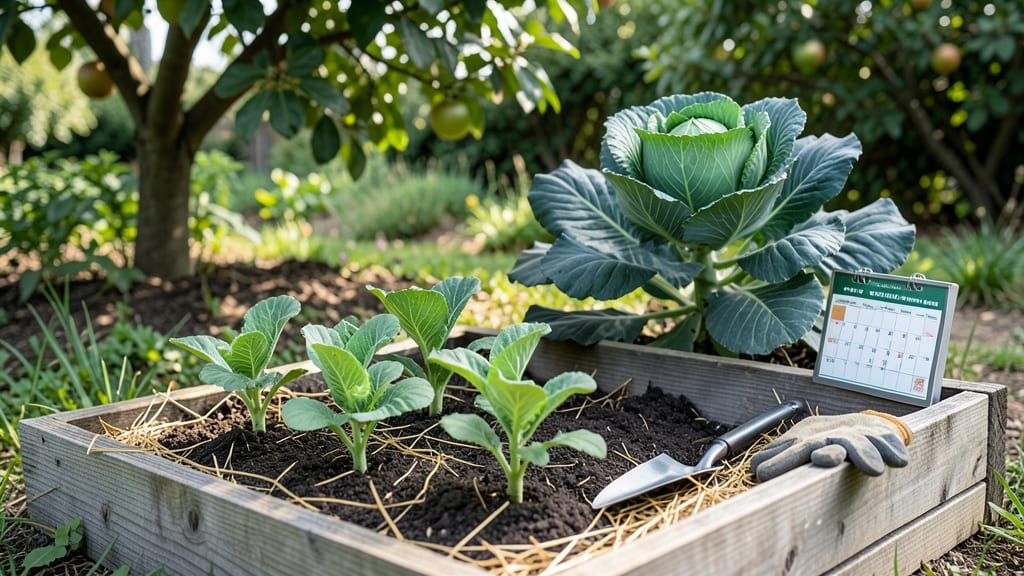
Planting cabbage in Zone 8a at the wrong time can mean the difference between a bountiful harvest and a sad, wilted mess. Whether you're dreaming of crisp spring heads or hearty fall storage crops, timing is the key to success—especially when heat and frost dates play such a big role.
Most gardeners in Zone 8a focus on two windows: early spring (February-March) and late summer (August-September). But here's the catch—spring planting must happen 4-6 weeks before your last frost (around February 15), while fall crops need 8-10 weeks before the first frost (November 15).
Miss these deadlines, and you risk bolting or stunted growth.
In this guide, I’ll break down the best months for planting, how to adjust for your microclimate, and why succession planting can double your harvest. No more guessing—just actionable steps to grow cabbage that’s as productive as it is delicious.
Ready to master the timing? Let’s dive into the exact strategies that work in Zone 8a, whether you’re a beginner or a seasoned gardener.
Best planting months for cabbage in Zone 8a: spring vs fall timing guide
In Zone 8a, where winters are mild and summers can be scorching, timing your cabbage planting is critical. The last frost date (around February 15) and first frost date (November 15) create two ideal windows: early spring and late summer.
Each offers unique advantages for crisp, flavorful heads. Let’s break down the best months and why they work.
For spring cabbage, aim to plant 4-6 weeks before your last frost. In Zone 8a, that means mid-February to March. This timing lets seedlings mature before summer heat arrives, avoiding the bolting risk (when plants prematurely flower).
Spring cabbage typically harvests in April-June, giving you fresh heads before the heat peaks.
Fall planting is equally important for Zone 8a gardeners. Start seeds or transplants 8-10 weeks before your first frost, landing you in August-September. Fall cabbage thrives in cooler weather and matures just in time for October-December harvests, often producing sweeter, tighter heads than spring varieties.
Here’s a quick comparison of your planting options in Zone 8a:
| Planting Window | Ideal Months | Temperature Range | Harvest Window | Key Consideration |
|---|---|---|---|---|
| Spring | February-March | 50-65°F | April-June | Avoid summer heat stress |
| Fall | August-September | 60-75°F | October-December | Cooler temps prevent bolting |
Your Zone 8a microclimate plays a huge role in success. Coastal areas may have cooler summers, allowing slightly later spring plantings, while inland regions should prioritize fall cabbage to escape summer heat. Always check your local frost dates—they can vary by 1-2 weeks even within the same zone.
For spring cabbage, choose early-maturing varieties like ‘Golden Acre’ (58 days) or ‘Early Jersey Wakefield’ (60 days). These finish before summer heat sets in. In contrast, fall cabbage can handle slightly longer days, so varieties like ‘Red Express’ (70 days) or ‘Savoy King’ (85 days) work well.
Soil temperature matters too. Cabbage seeds germinate best in 45-85°F soil. In Zone 8a, spring soil warms quickly—wait until soil reaches 50°F before planting. For fall, aim for 60-70°F soil to ensure strong seedling growth before cooler weather arrives.
Don’t overlook succession planting! In Zone 8a, you can stagger fall plantings every 2-3 weeks from August through September. This ensures a continuous harvest and maximizes your garden space. Just be mindful of maturity times—plant faster varieties first if your season is short.
Finally, avoid planting cabbage in June or July unless you’re using heat-tolerant varieties or providing heavy shade. Summer heat in Zone 8a often causes cabbage to bolt prematurely, ruining your crop. Instead, focus on the two ideal windows outlined above for the best results.
With the right timing, your Zone 8a cabbage will reward you with crisp, flavorful heads all season long. Just remember: spring for early harvests, fall for sweeter flavors, and always adapt to your local microclimate! 🥬
Best planting months for cabbage in Zone 8a: spring vs fall timing guide
Timing your cabbage planting in Zone 8a is all about avoiding summer's brutal heat while maximizing cool-season growth. The ideal windows are early spring and late summer, but the specifics depend on your last frost date and first frost date.
In Zone 8a, these typically fall around mid-February and mid-November, respectively.
For spring cabbage, aim to plant seeds or transplants 4-6 weeks before your last frost—usually between late January and early March. This gives young plants enough time to establish roots before temperatures rise.
Fall planting, however, requires more precision: start 8-10 weeks before your first frost, which in Zone 8a means late August to early September.
| Planting Window | Best Months | Soil Temperature | Days to Maturity | Harvest Window |
|---|---|---|---|---|
| Spring | Late January - Early March | 45-55°F | 60-80 days | April - June |
| Fall | Late August - Early September | 50-60°F | 70-90 days | October - December |
🌱 Pro Tip: Use shade cloth if planting in late spring to protect seedlings from heat stress.
Zone 8a gardeners often face microclimate variations that can shift ideal planting times by weeks. For example, coastal areas stay cooler longer, while inland regions heat up faster.
Monitor your local weather forecasts and adjust planting dates accordingly. If your spring arrives early, consider succession planting every 2 weeks for continuous harvests.
When selecting cabbage varieties, prioritize heat-tolerant types like 'Golden Acre' or 'Cavalo' for late spring plantings. For fall, opt for bolting-resistant varieties such as 'Red Express' or 'Early Jersey Wakefield'. These choices can mean the difference between a thriving crop and a failed harvest.
Remember, soil temperature is just as critical as air temperature. Cabbage seeds won't germinate well in soil below 45°F. Use a soil thermometer to verify conditions before planting. If your soil is too cold, start seeds indoors under grow lights 4-6 weeks before transplanting outdoors.
By mastering these planting windows, you'll enjoy crisp, flavorful cabbage from spring through fall—without the frustration of bolting or heat stress. The key is patience and precision in your timing. 🥬