
Plants
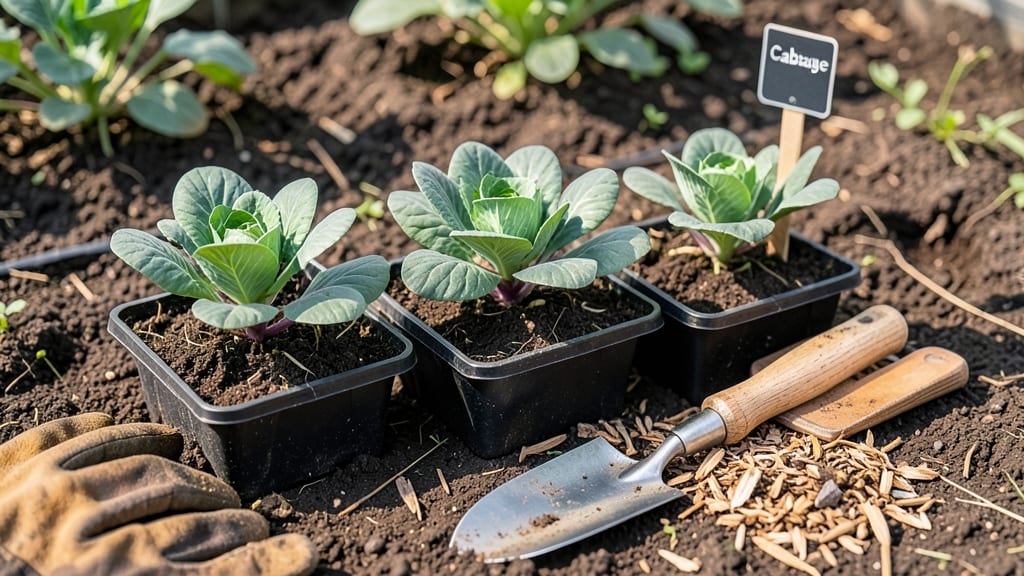
Planting cabbage at the wrong time in Zone 7b can turn your crisp, sweet heads into bitter, stunted disappointments—and nobody wants that after all your hard work.
The key to juicy, firm 🥬 harvests lies in timing your plantings perfectly between frost dates and soil warmth, a window that opens just twice a year for this cool-weather crop.
Most gardeners in 7b rush to plant too early when the soil is still cold, only to watch their seedlings languish or bolt before forming proper heads. Or they wait until summer heat, where cabbage wilts faster than a snowman in July.
But with the right strategy—starting seeds indoors or transplanting at precisely the right moment—you can enjoy fresh spring and fall harvests without the guesswork.
I’ve grown cabbage in Zone 7b for years, and the difference between a 50-pound fall harvest and a few sad heads comes down to these exact planting windows: early spring (March) and late summer (August).
Let me show you how to nail the timing, whether you’re starting from seeds or buying sturdy seedlings, so your cabbage thrives from soil to supper table.
Ready to ditch the trial-and-error? We’ll cover everything from soil temperature checks to protecting young plants from late frosts, plus how to stretch your harvest season with the right varieties. Your next perfect head of cabbage starts with planting it right—here’s how.
Optimal cabbage planting months in Zone 7b for spring and fall harvests
In Zone 7b, cabbage thrives when planted during two key windows: early spring and late summer. These timings align with cooler temperatures, preventing the plant from bolting (flowering prematurely) due to heat.
For spring harvests, aim to plant between mid-March and early April, while fall plantings should occur from late August to early September.
Cabbage is a cool-season crop, meaning it grows best when daytime temperatures stay below 75°F (24°C). In Zone 7b, summer heat can stress cabbage, leading to bitter leaves or poor head formation.
By planting in these optimal windows, you ensure your cabbage develops tight, sweet heads instead of bolting or becoming tough.
| Planting Window | Soil Temperature | Frost Consideration | Harvest Time |
|---|---|---|---|
| Spring (March - Early April) | 45°F - 50°F (7°C - 10°C) | After last frost (March 15) | May - June |
| Fall (Late August - Early September) | 50°F - 60°F (10°C - 15°C) | 8-10 weeks before first frost (Nov 15) | October - November |
For spring plantings, start seeds indoors 6-8 weeks before your last frost date (around mid-January for Zone 7b). This gives seedlings a head start before transplanting outdoors in early April. If you prefer direct sowing, plant seeds 2-3 weeks before your last frost for a quicker but slightly later harvest.
Fall plantings require careful timing to avoid heat stress. Plant seedlings in late August for a harvest before the first frost in November. If you live in a cooler microclimate within Zone 7b, you can extend fall plantings into early September, but monitor temperatures closely to prevent bolting.
Soil temperature is critical for cabbage success. Use a soil thermometer to confirm your garden bed is at least 45°F (7°C) before planting. Cold soil can stunt seedling growth, while warm soil encourages faster germination. In Zone 7b, soil typically reaches this temperature by early April for spring plantings.
Another key factor is day length. Cabbage grows best with 12-14 hours of daylight. In Zone 7b, spring and fall offer ideal day lengths, while summer’s longer days can trigger bolting.
Choose slow-bolting varieties like ‘Red Express’ or ‘Golden Acre’ for summer plantings if you must extend the season.
Protect young seedlings from unexpected late frosts using frost cloth or row covers. In Zone 7b, late frosts can occur until mid-April, so have covers ready until the risk passes. For fall plantings, use row covers to extend the harvest window by protecting plants from early cold snaps.
Finally, rotate your cabbage plantings to avoid soil-borne diseases. If you planted cabbage in the same spot last year, move it to a new area of your garden. This simple step reduces the risk of clubroot or black rot, ensuring healthier plants and better yields.
By following these Zone 7b-specific planting windows, you’ll enjoy sweet, crisp cabbage heads twice a year—once in late spring and again in fall. Happy gardening! 🥬
Optimal cabbage planting months in Zone 7b for spring and fall harvests
In Zone 7b, timing is everything for cabbage success. The last average frost date is around March 15, and the first frost typically arrives by November 15.
This gives you two prime planting windows: early spring (March–early April) for summer harvests and late summer (August–early September) for fall harvests. Planting outside these windows risks heat stress or stunted growth.
For spring plantings, aim to transplant seedlings when soil temperatures reach 45°F (7°C). This usually aligns with late March to early April in Zone 7b. If you start seeds indoors, begin them 6–8 weeks before your last frost date to ensure healthy seedlings ready for transplanting.
Fall plantings should go in the ground by early September to allow enough time for heads to mature before frost.
| Planting Window | Best Varieties | Soil Temp | Harvest Time |
|---|---|---|---|
| Early Spring (March–April) | Golden Acre, Early Jersey Wakefield | 45–55°F (7–13°C) | May–June |
| Late Summer (August–Early Sept) | Red Express, Savoy King | 50–60°F (10–16°C) | October–November |
Choosing the right cabbage varieties for your planting window is key. Fast-maturing varieties like Golden Acre (58 days) are perfect for late summer plantings, while slower varieties like Jersey Wakefield (85 days) work well for early spring.
Fall plantings benefit from cold-hardy varieties like Savoy King, which tolerate light frosts without bolting.
One common mistake is planting too early in spring when soil is still cold. If you transplant seedlings into soil below 45°F (7°C), roots struggle to absorb nutrients, leading to yellowing leaves and poor growth.
Use a soil thermometer to check temperatures before planting. For fall plantings, avoid starting seeds too late—aim for 8-week-old seedlings by early September to ensure heads mature before frost.
In Zone 7b, succession planting can extend your harvest. After harvesting your first cabbage heads in late spring, replant with a fast-maturing variety like Early Jersey Wakefield every 2–3 weeks until early July.
This keeps your garden productive and reduces waste. Just be sure to harden off seedlings properly before transplanting to avoid transplant shock.
Protect young plants from late spring frosts with row covers or frost cloth. In fall, use black plastic mulch to warm soil and extend the growing season. These simple steps can add 2–3 extra weeks of growth before frost hits, giving you larger, healthier heads.