
Plants
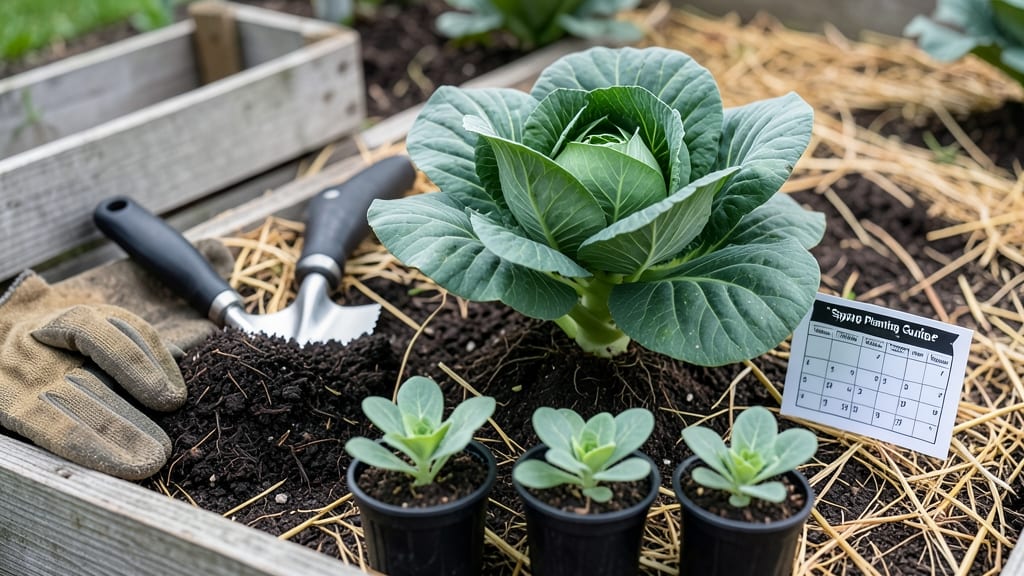
Planting cabbage in Arkansas at the wrong time means either freezing heads or bitter, bolted greens by summer—both are garden heartbreaks. The key to success lies in understanding Arkansas' diverse frost zones, where the Ozark highlands and Delta lowlands can differ by weeks in their ideal planting windows.
For most of Arkansas (USDA zones 7a-8a), the sweet spot is early spring—right after your last frost date (typically mid-March)—or late summer for a fall harvest.
But here's the catch: in cooler northern counties like Bentonville, you might start as early as February, while southern areas like El Dorado can wait until April without risking frost damage.
This isn't just about dates—it's about heat tolerance too. Arkansas summers can push cabbage to bolt (flower prematurely), so timing your late-summer planting for August gives you a better shot at crisp heads before the heat peaks.
Let me show you exactly how to match your county's microclimate to the perfect planting window.
We'll break down Arkansas' five key heat zones, share county-specific frost date cheat sheets, and reveal the best varieties for Arkansas' humidity and heat. Whether you're in the Arkansas River Valley or the Ouachita Mountains, you'll leave here with a planting plan that actually works for your garden.
Arkansas cabbage planting calendar by frost zones (USDA 6b-8a)
Arkansas spans USDA zones 6b through 8a, meaning cabbage planting windows differ dramatically between the cool Ozark Mountains and warmer Delta regions. The key is planting 4-6 weeks before your last frost date for spring crops and 8-10 weeks before first frost for fall harvests.
Let’s break it down by zone to avoid frost damage or summer bolting.
For Northern Arkansas (USDA 6b-7a), like Fayetteville and Harrison, your last frost typically falls around March 15-20. This means your ideal transplant window opens on February 15-March 1 for spring cabbage.
In Southern Arkansas (USDA 7b-8a), such as Little Rock or El Dorado, last frosts arrive later (March 25-April 5), so transplant between February 20-March 15.
Fall planting requires equal precision. In Northern Arkansas, start seeds indoors July 15-August 1 for transplanting August 15-September 15. Southern Arkansas gardeners can push this 2-3 weeks later to avoid early fall heat stress.
| Zone & Location | Last Frost Date | Spring Planting Window | Fall Planting Window | Harvest Window |
|---|---|---|---|---|
| USDA 6b (Fayetteville, Eureka Springs) | March 15 | Feb 15 - Mar 1 | Aug 15 - Sep 15 | May-Jun & Oct-Nov |
| USDA 7a (Bentonville, Rogers) | March 20 | Feb 20 - Mar 5 | Aug 1 - Sep 10 | May-Jun & Oct-Nov |
| USDA 7b (Little Rock, Pine Bluff) | March 25 | Feb 25 - Mar 10 | Aug 10 - Sep 5 | May-Jun & Oct-Nov |
| USDA 8a (El Dorado, Texarkana) | April 5 | Mar 5 - Mar 20 | Aug 20 - Sep 15 | May-Jun & Oct-Nov |
Pro tip: Use the Arkansas Cooperative Extension Service’s frost date calculator for your exact county. For example, Mountain View (USDA 7a) has a last frost around March 22, while Jonesboro (USDA 7b) averages March 28. These 5-7 day differences matter when planning your 4-6 week transplant window.
If you’re growing cabbage for late fall storage, aim to harvest 2-3 weeks before first frost. In Northern Arkansas, this means October 15-November 1 harvests. Southern Arkansas gardeners can extend this to November 15 in milder microclimates like Hot Springs.
For summer planting attempts, Arkansas’ humidity and heat make cabbage challenging. Only try heat-tolerant varieties like 'Cavalo' and use 50% shade cloth during peak afternoon sun (12 PM - 4 PM). Plant late August for a September-October harvest before temperatures drop.
Always check your
How to adjust cabbage planting for Arkansas' microclimates
Arkansas' humidity and microclimates can throw off even the best-laid planting plans. In the Ozark Mountains, late spring frosts linger until April 15, while the Delta region can hit 90°F by early May—both extremes demand adjustments to your cabbage schedule.
The key is understanding how to protect seedlings and extend seasons using simple but effective techniques.
For spring planting, use row covers or cold frames in cooler zones like Benton County. These create a 5-10°F warmer microclimate, letting you plant 2-3 weeks earlier without frost risk.
In hotter zones like Crittenden County, opt for shade cloth (30-50%) during summer months to prevent bolting—even 'Cavalo' cabbage struggles when daytime temps exceed 85°F.
Soil amendments are your secret weapon. Arkansas' clay-heavy soils (common in the Delta) drain poorly, while sandy loam (Ozarks) dries out fast. Mix in 2-3 inches of compost before planting to improve moisture retention and fertility. For container growing, use a well-draining mix with peat moss or coconut coir—critical for urban gardeners in Little Rock or Fayetteville.
Arkansas-Specific Adjustments
- Plant slow-bolting varieties like 'Golden Acre' in July-August for fall harvests—heat-tolerant but still needs afternoon shade in Zone 8a.
- Use drip irrigation to avoid wetting leaves, reducing fungal diseases (like downy mildew) common in Arkansas' humid summers.
- In high-altitude areas (e.g., Mount Ida), plant 'Windsor' cabbage in late February under row covers for early harvests.
- For container gardens, choose compact varieties like 'Miniature Drumhead'—they mature faster in limited heat.
- Mulch with straw or grass clippings to retain moisture and suppress weeds, especially in sandy soils that dry out quickly.
Don’t overlook transplant shock—Arkansas' hot afternoons can stress young plants. Harden off seedlings for 7-10 days before transplanting, and move them on overcast days or late afternoon to avoid sunburn.
If you’re planting in June or July, start seeds indoors 8-10 weeks early to give them a head start.
Finally, monitor soil temperature—cabbage roots thrive in 60-70°F soil. Use a soil thermometer to confirm conditions before planting. In warmer zones, wait until soil temps drop below 80°F at night to prevent bolting.
For fall crops, aim to harvest before first frost (typically mid-November), but 'January King' can handle light frosts for extended storage.
With these adjustments, you’ll beat Arkansas' unpredictable weather and enjoy crisp, homegrown cabbage from spring to fall. Start small—try one test bed with row covers this year to see what works best in your microclimate! 🌱