
Plants
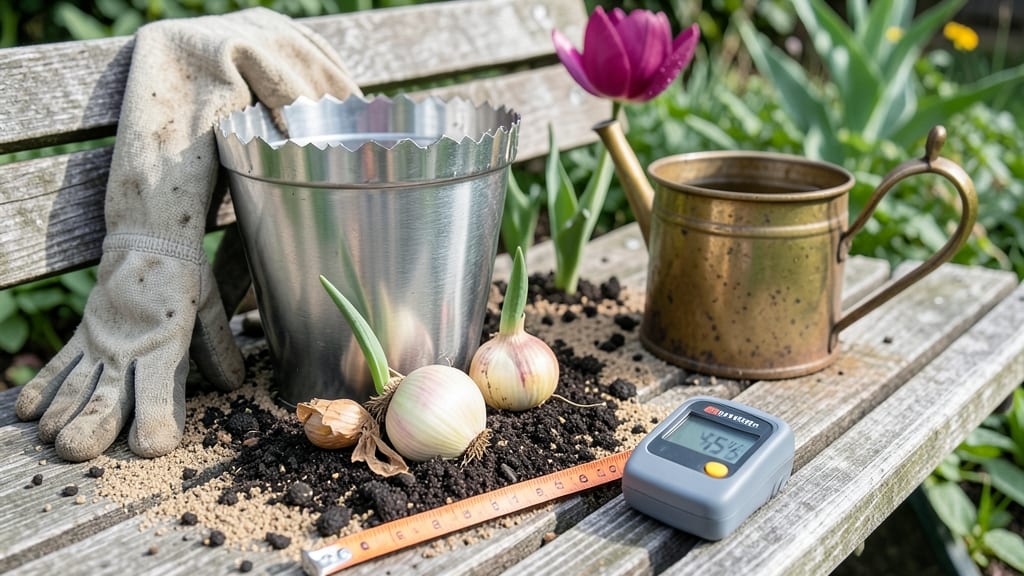
Planting bulbs in Zone 4 at the wrong time can mean the difference between a garden bursting with 🌷 spring blooms and a sad, frost-killed disappointment.
The key isn't just when you plant—it's understanding the 6-week window between late September and mid-November that gives roots time to establish before winter sets in.
I've learned the hard way that rushing bulbs into cold soil or waiting too long can leave them vulnerable to freeze-thaw cycles. Zone 4's unpredictable frost dates make timing especially tricky, but with the right approach, you can ensure your tulips, daffodils, and crocuses thrive year after year.
In this guide, I'll break down the exact temperature rules and soil conditions that signal it's time to plant. You'll discover how to adjust for early frosts, which bulbs handle cold best, and the simple soil prep tricks that make all the difference.
Whether you're a first-time gardener or a seasoned Zone 4 pro, these insights will help you plant with confidence—and wake up next spring to a garden that feels like a vibrant explosion of color after the long winter.
Zone 4 bulb planting timeline: exact months and temperature rules
Fall is the critical window for planting bulbs in Zone 4, but timing matters more than you think. The 6-week window between late September and mid-November gives bulbs time to establish roots before winter dormancy.
Miss this, and you risk weak growth or frost damage—especially in Zone 4’s unpredictable climate.
Your goal: plant when soil temperatures drop to 50°F (10°C) but stay above freezing. This balance lets roots grow but prevents premature dormancy. Use a soil thermometer to check—it’s your best tool for success.
Here’s the non-negotiable rule: plant 4-6 weeks before your area’s first hard frost (typically mid-October in Zone 4). For example, if frost hits October 15, aim to finish planting by early September. Late starters can still plant until ground freezes solid, but roots won’t develop as well.
| Stage | Action | Soil Temp | Zone 4 Deadline |
|---|---|---|---|
| Early Root Growth | Plant bulbs 6-8" deep | 50-60°F (10-16°C) | Late September |
| Active Root Development | Water deeply after planting | 40-50°F (4-10°C) | October |
| Winter Dormancy | Mulch 2-3" thick | Below freezing | Mid-November |
| Spring Bloom Prep | Avoid disturbing soil | 32-40°F (0-4°C) | December-February |
Not all bulbs thrive equally in Zone 4’s climate. Daffodils and crocuses are the most hardy, tolerating 20°F (-7°C) without issue. Tulips need slightly warmer soil (down to 30°F (-1°C)), while hyacinths prefer planting by early October to avoid frost damage.
Pro tip: Check your bulb package for specific hardiness zones. If it lists Zone 3 or lower, you have more flexibility. Zone 5+ bulbs? Plant them 2 weeks earlier to give roots extra time to establish.
Heavy clay soils in Zone 4 can delay planting by holding moisture too long. Amend with compost or sand to improve drainage, and plant in raised beds if your soil stays soggy. Well-draining soil is non-negotiable—bulbs rot in waterlogged conditions.
Watering after planting is often overlooked. Give bulbs a deep soak immediately after planting, then water weekly until ground freezes. Mulch with straw or leaves (2-3 inches) to insulate roots and retain moisture during winter’s freeze-thaw cycles.
Spring planting is risky in Zone 4 but possible for warm-season bulbs like dahlias or gladiolas. Wait until soil warms to 60°F (16°C) (usually late May) and plant after the last frost. These won’t bloom the first year but will establish for future seasons.
Remember: Patience pays off. Bulbs planted at the right time in Zone 4 will reward you with bold spring blooms year after year—no extra effort required once they’re established.
How to adjust planting time for early vs late frost years in Zone 4
Zone 4’s unpredictable frost patterns can turn your bulb planting plans upside down. One year, the ground freezes by October 10—the next, it lingers until November 15.
The key is flexibility: adjust your timeline based on soil temperature (aim for 40-50°F/4-10°C) and frost forecasts, not just calendar dates.
For early frost years, push planting forward to August (yes, even late summer!). Use heat-tolerant bulbs like crocuses or snowdrops, which handle warmer soil better.
Plant in shaded spots or raised beds to delay cooling. If frost hits before roots establish, cover bulbs with straw mulch (3–4 inches thick) to insulate them.
In late frost years, extend planting until mid-November—but only if soil temps stay above 40°F/4°C. Prioritize hardy bulbs like daffodils or alliums, which tolerate colder soil. If frost threatens, plant shallow (4–6 inches deep) and mulch immediately to protect tender roots.
Pro tip: Check your local frost date averages (USDA’s Plant Hardiness Zone Map helps) and adjust by 2–3 weeks if your microclimate runs cooler (e.g., near lakes) or warmer (e.g., urban heat islands).
For extra security, plant some bulbs early (late August) and some late (early November)—this hedges your bets against frost surprises.
Remember, bulb hardiness varies. Tulips need 40°F/4°C soil to root, while crocuses can handle 32°F/0°C. Always check the packaging for specific advice—it’s your best guide when Mother Nature throws curveballs.
With these adjustments, you’ll outsmart Zone 4’s frost whiplash and still wake up to vibrant spring blooms year after year. Happy planting!