
Plants
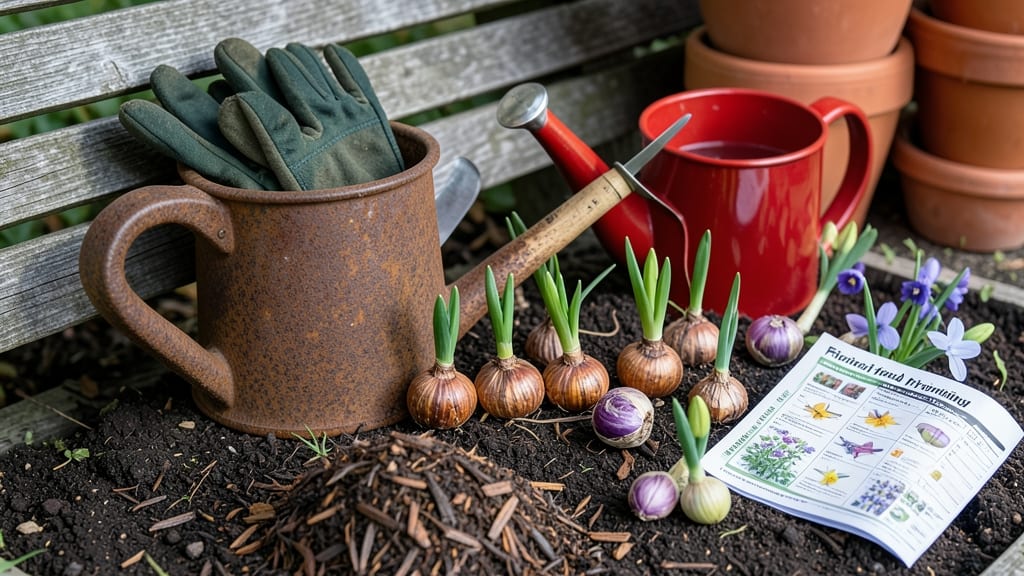
Planting bulbs in Florida isn’t just about grabbing a shovel and digging—timing is everything to avoid weak blooms or wasted effort.
With zero frost risk in most zones, you’ve got a narrow window to get it right, and missing it means skipping the vibrant spring or summer displays you’re dreaming of.
Most gardeners assume Florida’s warm climate means bulbs can go in anytime, but that’s a recipe for rot or stunted growth. The ideal months—September through November—align with cooler temps and moisture, giving roots time to establish before summer heat hits.
Even spring plantings need precision, especially in North Florida where occasional chilly snaps can sneak in.
I’ve tested what works in Florida’s subtropical zones, from sandy soil prep to choosing heat-tolerant varieties like spider lilies or rain lilies. Let me walk you through the exact steps to plant bulbs without the guesswork, so you’re not left with floppy stems or no blooms at all.
Ready to turn your garden into a year-round showstopper? We’ll cover soil tricks, depth secrets, and even how to cheat the summer slump—so your bulbs thrive when others fail.
Florida heat-zone planting calendar: best months by bulb type
Florida’s frost-free winters and humid summers create unique challenges for bulb planting. Unlike northern climates, most Florida gardeners skip traditional fall planting for cool-season bulbs—but timing still matters. The key is planting bulbs 6-8 weeks before summer heat peaks or after the spring danger of frost passes.
Let’s break down the best months for each bulb type based on Florida’s USDA Zones 8A-11.
For spring-flowering bulbs like tulips and daffodils, the ideal window is September-October in North Florida and August-September in South Florida.
These bulbs need cool soil temperatures (below 70°F) to establish roots before summer heat arrives. Fall-flowering bulbs like crocus and hyacinths, however, thrive when planted in late winter (January-February) for blooms before summer’s intense heat.
Regional adjustments are critical: North Florida’s Zone 8A (e.g., Jacksonville) has occasional light frosts, so plant spring bulbs by November 1st. Central Florida (Zone 9A, Orlando) can plant until December 1st, while South Florida (Zone 10B, Miami) can extend planting to January for spring blooms. Always check your local frost dates—even a 28°F night can damage tender bulbs.
Heat-loving bulbs like rain lilies and spider lilies don’t follow traditional schedules. These tropical natives can be planted year-round, but spring (March-April) is best for establishing roots before summer rains. Unlike temperate bulbs, they never go dormant and bloom multiple times per year if given consistent moisture.
⚠️ Critical Timing Tip: Avoid planting bulbs in summer (June-August). Florida’s 90°F+ soil temps cause bulbs to rot before roots form. Even well-draining soil can’t prevent this—patience is key for healthy blooms.
| Bulb Type | Best Planting Months (North FL) | Best Planting Months (Central FL) | Best Planting Months (South FL) | Bloom Season |
|---|---|---|---|---|
| Spring-Flowering (Tulips, Daffodils) | September-October | September-November | August-January | February-May |
| Fall-Flowering (Crocus, Hyacinths) | January-February | January-March | December-February | October-November |
| Heat-Loving (Rain Lilies, Spider Lilies) | March-April (or year-round) | March-April (or year-round) | Year-round | Spring-Summer-Fall |
| Summer-Flowering (Canas, Amaryllis) | April-May | April-June | April-July | June-September |
🌱 Pro Tip: Adjust for microclimates—shady spots stay cooler longer!
If you’re in Zone 10B or 11, you can push boundaries: plant spring bulbs in December for January-February blooms before summer heat arrives. In Zone 8A, prioritize early September planting to avoid late-season frosts.
Always amend sandy Florida soil with compost or peat moss to improve water retention—critical for bulb root development.
For container gardening, follow the same rules but use well-draining potting mix with perlite or sand. Containers heat up faster, so plant 2-4 weeks earlier than in-ground to account for warmer soil temps.
Place pots in partial shade during peak summer to protect bulbs from direct sunlight stress.
Remember: Florida’s humidity means bulbs are at higher risk for rot and fungal diseases. Space bulbs 3-4 times their width apart and avoid overwatering after planting. Once established, most bulbs need only occasional watering—Florida’s rain often does the work for you!
Start with easy-care bulbs like rain lilies or spider lilies to build confidence. These tropical natives thrive in Florida’s climate and reward you with bold, long-lasting blooms with minimal effort. Happy planting—your summer garden starts with the right timing!
How to avoid common Florida bulb planting mistakes
Planting bulbs in Florida’s subtropical climate comes with unique challenges. The biggest mistake I see is planting too early in fall, when soil temperatures stay warm. This causes bulbs to sprout prematurely, making them vulnerable to pests and fungal diseases before winter sets in.
Another critical error is ignoring soil preparation for Florida’s sandy, fast-draining soils. Without organic matter, bulbs struggle to establish roots. I always amend my soil with compost or aged manure to improve moisture retention and fertility.
Here’s what you must avoid when planting bulbs in Florida:
⚠️ Florida-Specific Bulb Planting Pitfalls
- ❌ Planting in summer – Heat stress kills most bulbs before they establish roots.
- ❌ Skipping mulch – Florida’s humidity encourages rot; mulch prevents moisture buildup around bulbs.
- ❌ Overwatering after planting – Sandy soil drains quickly, but soggy conditions lead to bulb rot.
- ❌ Using untreated bulbs – Florida’s pests (like bulb mites) thrive in untreated stock; always buy certified disease-free bulbs.
Many gardeners also overlook summer dormancy needs. Unlike cooler climates, Florida bulbs often enter dormancy in summer. Reduce watering to every 2-3 weeks during June-August unless you’re growing tropical varieties like rain lilies.
For post-planting care, I recommend light fertilization in spring (when shoots appear) and avoiding heavy feeding in fall. Too much nitrogen encourages leafy growth at the expense of flower buds. A balanced 10-10-10 fertilizer applied sparingly works best.
Finally, never plant bulbs in low-lying areas where water pools. Florida’s heavy rains can drown bulbs if drainage is poor. Always choose slightly elevated spots or raised beds for optimal results.