
Plants
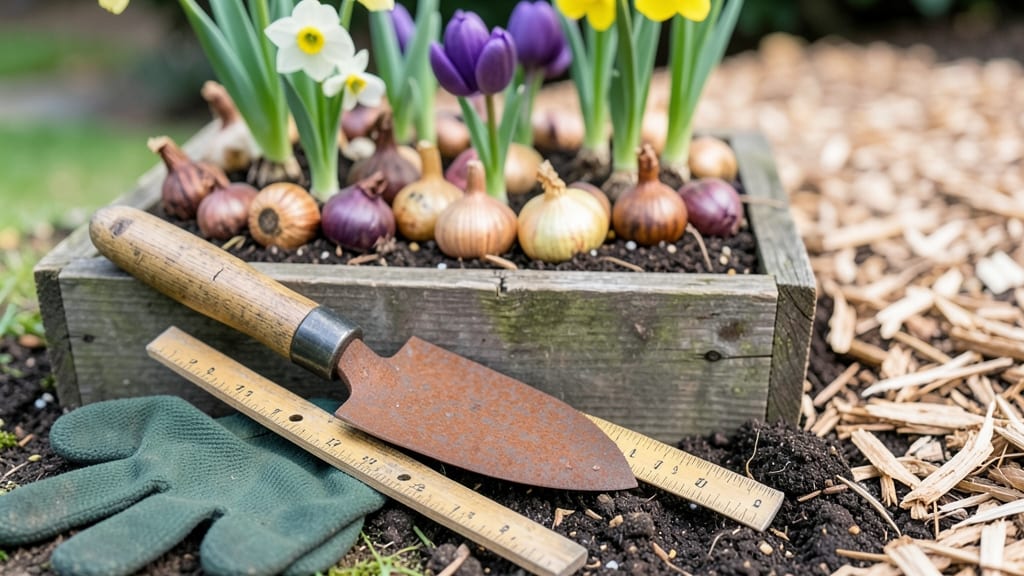
Planting bulbs in South Carolina might seem straightforward, but timing is everything—get it wrong, and your 🌷 spring flowering bulbs could miss their cue to bloom.
The secret lies in understanding your bulbs' chill needs and aligning them with SC's mild winters in zones 7b-8a, where frost dates shift from November to January.
Most gardeners know fall is the prime window, but September through November isn’t just one-size-fits-all. Low-chill varieties like daffodils thrive when planted early, while tulips need that extra cold snap.
I’ll break down the exact months for each type so you can avoid the common mistake of planting too late—and watching your bulbs fizzle out before spring.
Beyond the calendar, SC’s humidity and pests add another layer. Coastal areas demand faster planting, while piedmont regions can stretch the window. You’ll learn how to prep your soil, where to place bulbs for maximum impact, and when to mulch to protect them through winter—without smothering their growth.
Ready to transform your garden into a springtime explosion of color? Let’s dive into the month-by-month guide that’ll have your bulbs popping up right on schedule—no guesswork, just guaranteed blooms.
South Carolina bulb planting calendar by chill requirements
Planting bulbs in South Carolina isn’t one-size-fits-all—it depends on how much chill time your bulbs need to bloom. SC’s USDA Zones 7b-8a mean some bulbs thrive with minimal winter chill, while others need more.
Let’s break it down by chill categories and monthly planting windows to ensure your bulbs get the perfect start.
First, understand that low-chill bulbs (3-7 weeks) are your best bet for SC’s mild winters.
These include varieties like daffodils and rain lilies, which can handle SC’s shorter cold snaps. Medium-chill bulbs (8-12 weeks), like tulips and hyacinths, still work but require timing adjustments. High-chill bulbs (13+ weeks), such as classic Dutch tulips, are riskier unless you’re in the Upstate with colder winters.
Here’s your SC-specific planting calendar, adjusted for average first frost dates (mid-January) and last frost dates (mid-November). Plant too early, and your bulbs may sprout before winter sets in. Plant too late, and they might not get enough chill time to bloom.
| Chill Category | Best Planting Months | SC-Specific Notes | Bulb Examples |
|---|---|---|---|
| Low-Chill (3-7 weeks) | September–October | Ideal for Coastal SC; plant 6-8 weeks before first frost. | Daffodils, Rain Lilies, Snowdrops |
| Medium-Chill (8-12 weeks) | October–November | Best for Piedmont; use mulch to extend chill time. | Tulips, Hyacinths, Fritillaries |
| High-Chill (13+ weeks) | November (Upstate only) | Risky in Lowcountry; try chill-treated bulbs or Upstate gardens. | Classic Tulips, Alliums |
For low-chill bulbs, aim to plant in September—this gives them time to root before winter. In October, focus on medium-chill varieties like tulips, which need a longer cold period.
If you’re in the Upstate, you can push high-chill bulbs into November, but coastal gardeners should skip these entirely unless using pre-chilled bulbs.
Pro tip: Use a soil thermometer to check when soil temps drop below 60°F—this signals it’s time to plant. In SC, this usually happens by mid-October in most regions. Planting depth matters too: most bulbs need 6-8 inches of soil above them, with the pointy end up.
Don’t forget to mulch after planting! A 3-inch layer of mulch (straw or shredded leaves) protects bulbs from freeze-thaw cycles and keeps soil temps stable.
This is especially critical in coastal SC, where winters can be unpredictable. Mulch also suppresses weeds, giving your bulbs a clean start in spring.
If you’re unsure about your local microclimate, observe nearby trees and plants. For example, if camellias bloom well in your area, you’re likely in a warmer zone and should stick to low-chill bulbs. Conversely, if azaleas thrive, you might have enough chill for medium-chill varieties.
Finally, mark your planting calendar with these deadlines: October 15 is the last safe date for most of SC, while November 1 is your cutoff for Upstate gardeners. Miss these windows, and you risk bulbs sprouting too early or not getting enough cold.
With this chill-based approach, you’ll maximize your chances of vibrant spring blooms—whether you’re growing daffodils in Charleston or tulips in Greenville. Happy planting! 🌷
Best fall-planted bulbs for South Carolina gardens
Fall is the prime time to plant bulbs in South Carolina, but not all varieties thrive in our mild winters. Focus on bulbs that need 3-12 weeks of chill—perfect for SC’s USDA Zones 7b-8a.
Daffodils, crocuses, and hyacinths are top performers, while tulips may struggle unless you choose low-chill varieties like 'Darwin Hybrid' or 'Fosteriana'.
For spring blooms, plant daffodils and tulips in October—this gives them time to root before winter. Summer-flowering bulbs like dahlia and calla lily can go in late February to March, avoiding frost. Always plant bulbs 3x their height deep and space them 2-3 inches apart for airflow.
🌱 Top Fall-Planted Bulbs for SC
- 🌼 Daffodils – Spring blooms, deer-resistant, 6-8 weeks chill
- 🌷 Tulips – Low-chill varieties only (e.g., 'Darwin Hybrid'), 8-10 weeks chill
- 💜 Hyacinths – Fragrant, 10-12 weeks chill, plant in October
- 🌷 Crocuses – Early spring bloomers, 3-5 weeks chill, great for woodland gardens
- 🌺 Alliums – Unique purple spheres, 6-8 weeks chill, drought-tolerant
- 🌿 Snowdrops – Winter blooms, minimal chill, ideal for shady spots
Plant depths: 6-8 inches deep, spacing: 2-4 inches apart for most bulbs.
Pro tip: Amend your soil with compost before planting to improve drainage—a must in SC’s clay-heavy soils. Mulch with 3-4 inches of pine straw after planting to protect bulbs from freeze-thaw cycles. Avoid heavy mulch in coastal areas, where humidity can cause rot.
If you’re in Upstate SC, aim for earlier planting (September) to ensure bulbs root before the first frost. Coastal gardeners can plant slightly later (October-November) since winters are milder. Always check your local frost dates—planting 6-8 weeks before the first frost is the golden rule.
Don’t forget summer bulbs like canna lilies or elephant ears, which can be planted in spring after the last frost (typically mid-March to April). These thrive in SC’s heat and add bold foliage to your garden.
For fall color, try fall crocus or colchicum, which bloom in late summer to fall.
Test your soil’s drainage before planting—bulbs rot in soggy soil. If your garden holds water, plant bulbs on a mound or in raised beds. Water deeply after planting, then reduce watering once foliage appears in spring. Let leaves yellow naturally—this feeds the bulb for next year’s blooms!