
Plants
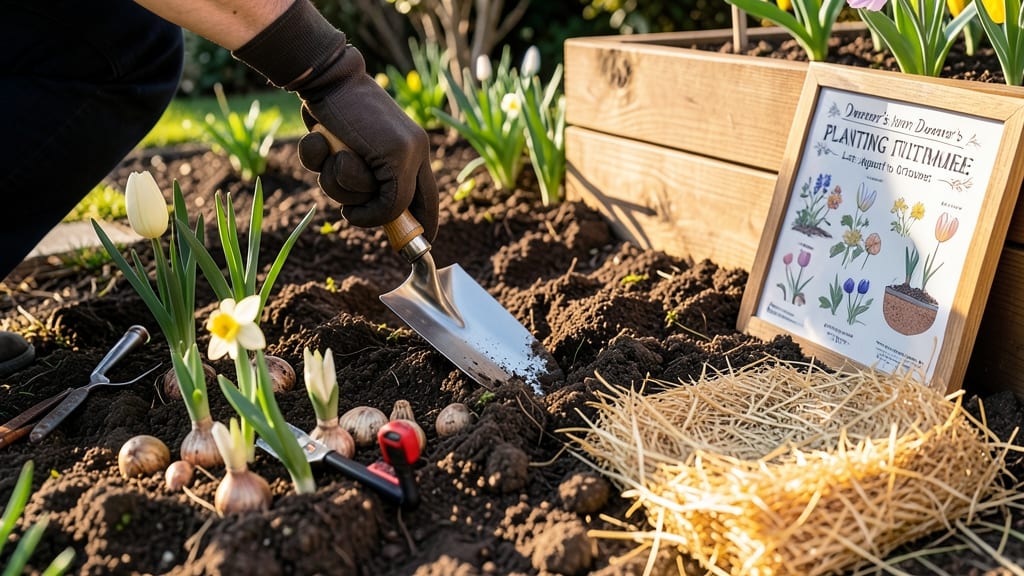
Planting bulbs in Denver isn’t just about timing—it’s about matching your 🌷 varieties to the city’s tricky chill hours and frost dates. Get it wrong, and your tulips might bloom late or never emerge at all.
But with the right schedule, you can turn your yard into a springtime explosion of color, even in Zone 6a’s unpredictable climate.
Most gardeners in Denver swear by fall planting, but did you know some bulbs—like crocuses—thrive when tucked into the ground as early as September? Others, like daffodils, prefer waiting until October to avoid early freezes.
The key? Understanding how many chill hours your bulbs need and when Denver’s first hard frost typically hits.
I’ve tested these methods in my own garden, and the results speak for themselves: bulbs planted at the right time not only survive but thrive. Whether you’re a first-time planter or a seasoned gardener, this guide will help you avoid common mistakes and get the most vibrant blooms possible.
Ready to skip the guesswork? Let’s break down the exact planting windows, soil prep tips, and post-planting care to ensure your bulbs put on a show come spring. Your future self—and your neighbors—will thank you.
Optimal planting times for Denver bulbs by chill-hour requirements
Denver’s USDA Zone 6a climate means bulbs need precise timing to thrive. Most spring-blooming bulbs require 12-16 weeks of chill hours (below 40°F) before they’ll bloom. In Denver, this translates to planting 6-8 weeks before the first hard frost—typically late September to early October.
Not all bulbs have the same needs. Daffodils and hyacinths often need fewer chill hours (10-12 weeks) than tulips (14-16 weeks). Planting too early or late can result in weak blooms—or worse, no flowers at all.
Let’s break down the best times for Denver’s most popular bulbs.
🌱 Pro Tip: Use a soil thermometer to check when soil temps drop below 60°F—this is your cue to start planting.
| Bulb Type | Chill-Hour Needs | Denver Planting Window | Notes |
|---|---|---|---|
| Daffodils | 10-12 weeks | Late Sept–mid-Oct | Early bloomers; deer-resistant |
| Tulips | 14-16 weeks | Mid-Sept–early Oct | Plant early for best color |
| Hyacinths | 12-14 weeks | Late Sept–mid-Oct | Fragrant; great for containers |
| Alliums | 10-12 weeks | Late Sept–early Nov | Drought-tolerant; late-season blooms |
| Crocuses | 8-10 weeks | Early Sept–mid-Oct | Early spring bloomers; great for lawns |
If you’re planting late varieties (like Parrot tulips or Darwin hybrid hyacinths), aim for the earlier end of the window—they need more chill time. Conversely, early bloomers (like Christmas crocuses) can go in later.
Denver’s elevation and microclimates can shift frost dates by 1-2 weeks. If you’re in a warmer microclimate (like near the South Platte River), plant 1 week later. In cooler areas (like Evergreen or Golden), plant 1 week earlier.
For spring-planted bulbs (like caladiums or canas), wait until after the last frost—typically mid-April in Denver. These bulbs don’t need chill hours and bloom in summer or fall.
Always plant bulbs 3x their height deep—so a 6-inch-tall tulip bulb goes 18 inches deep. This protects them from freeze-thaw cycles and rodents.
🌷 Denver’s secret: Add a 2-inch layer of mulch after planting to insulate bulbs from temperature swings.
Denver’s frost dates & how they affect bulb planting deadlines
Denver’s average first frost date is around October 15, but this can shift 2-3 weeks earlier due to elevation and microclimates. For bulbs like tulips and daffodils, this means you’ve only got a 4-6 week window between soil warming in September and frost arrival.
Missing this window risks bulbs rotting before winter dormancy sets in.
Your last frost date (around April 15) is equally critical—planting spring bulbs too early can expose them to freeze damage if cold snaps return. In Denver’s USDA Zone 6a, this uncertainty demands flexibility in your planting strategy.
🌱
Late Planting Risks in Denver
Planting bulbs after October 15 increases frost damage risks. Daffodils and alliums are hardier, but tulips and hyacinths may fail to bloom if roots don’t establish before freezing.
🌡️ Soil temperature below 50°F for 3+ weeks signals it’s too late—bulbs need 6-8 weeks to root before winter.
To navigate Denver’s frost timeline, focus on soil temperature over calendar dates. Use a soil thermometer—bulbs should go in when soil is 50-60°F and stays above freezing for 4-6 weeks post-planting.
This typically aligns with late September to early October, but elevation variations (e.g., 5,280 ft vs. 7,000 ft) can shift this by weeks.
For spring-planted bulbs like caladiums or cannas, wait until after May 1—before the last frost—to avoid cold damage. In Denver’s short growing season, timing is everything for bulb success.
🌿
Microclimates play a huge role in Denver. South-facing slopes or urban heat islands can delay frost by 10-14 days, while high-altitude areas may freeze earlier.
Test your garden’s frost date by planting a frost-sensitive crop like basil in early October—if it dies, your bulbs need to be in the ground.