
Plants
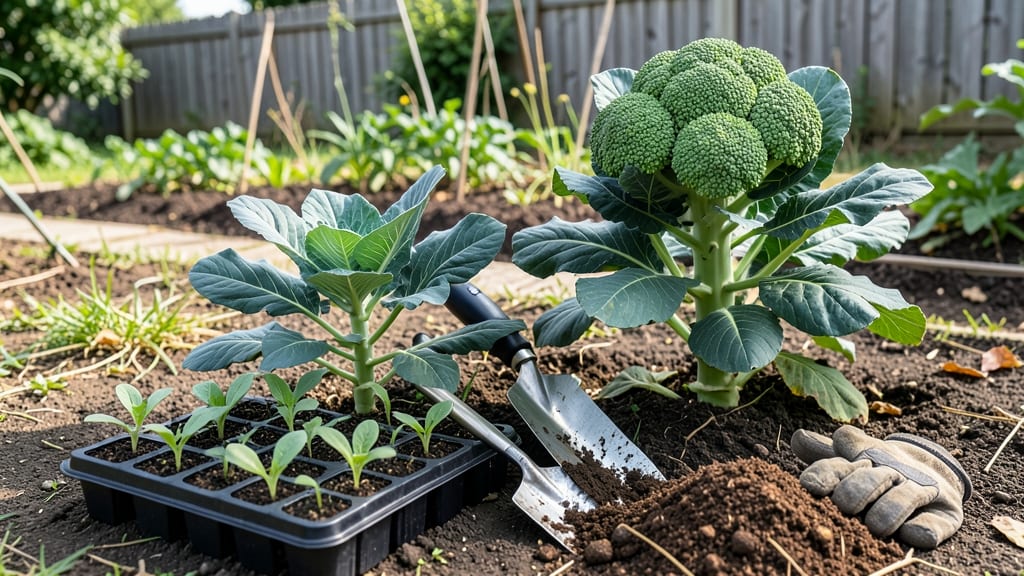
Planting broccoli 🥦 in Seattle isn’t just about throwing seeds into the ground—it’s about outsmarting the Puget Sound’s chilly mornings and sudden heatwaves. Get the timing wrong, and your plants might bolt before they’re ready or wilt under unexpected frost.
But here’s the good news: with the right schedule, you can enjoy a steady harvest from spring through fall.
Seattle’s USDA Zone 8a climate gives you two prime windows to plant broccoli: early spring (March–April) and late summer (August–September). These months strike the perfect balance between soil warmth and frost risk, ensuring your plants mature just in time for harvest.
Whether you’re a seasoned gardener or a first-timer, nailing these dates is the key to avoiding common pitfalls like stunted growth or bitter-tasting heads.
What sets Seattle apart is its microclimates—urban areas like Ballard might stay warmer than rural spots near the Cascades. That’s why I’ll break down exactly when to plant, how to adjust for your specific neighborhood, and which cold-hardy varieties thrive here.
Plus, I’ll share pro tips to extend your harvest season, so you’re not left scrambling for fresh broccoli when the first frost rolls in.
Ready to grow broccoli that’s bigger, healthier, and more abundant than ever? Let’s dive into the exact planting timeline, soil prep secrets, and frost-proof strategies that’ll make your garden the envy of the neighborhood. Your first harvest is closer than you think!
Seattle broccoli planting calendar: best months by variety (spring vs fall)
Seattle’s cool, maritime climate creates a perfect window for two broccoli harvests—spring and fall—but timing is critical. The last average frost date in Seattle is March 15, while the first frost typically arrives November 15.
This means your spring planting must happen 4-6 weeks before March 15, and your fall planting should wrap up by mid-August to avoid winter chills.
For spring broccoli, focus on cold-hardy varieties like ‘Waltham 29’ or ‘De Cicco’, which tolerate light frosts. Fall plantings should prioritize ‘Calabrese’ or ‘Green Magic’, which mature faster in shorter daylight.
Both seasons require well-draining soil with a pH of 6.0-7.0—Seattle’s natural acidity often needs lime amendments.
🌱
Your spring planting should begin in late February for transplants or mid-March for direct sowing. Start seeds indoors 6-8 weeks before the last frost to give seedlings a head start. For fall broccoli, aim for early August to ensure heads mature before November’s first frost.
If you’re ambitious, try a late-July planting with row covers for an early-fall harvest.
Seattle’s rainy seasons (autumn/winter) can delay planting, so use raised beds to improve drainage. Amend your soil with compost and aged manure to boost fertility—broccoli is a heavy feeder that needs consistent nutrients.
A soil test before planting will tell you if you need to adjust pH or organic matter.
💧 Pro Tip: In West Seattle, plant 1-2 weeks later than the Eastside—microclimates matter! Use mulch to retain moisture and suppress weeds, especially during spring’s unpredictable showers.
For succession planting, sow new seeds every 2 weeks in spring for a continuous harvest. In fall, stagger plantings by 10-14 days to extend your harvest window into late autumn. This strategy works best with fast-maturing varieties like ‘Green Magic’, which takes just 50 days to harvest.
🌿 Local Insight: Seattle gardeners often pair broccoli with dwarf tomatoes or bush beans to maximize space in small urban gardens. The tomatoes’ shade helps broccoli retain moisture during summer’s occasional heatwaves.
If you’re new to broccoli growing, start with transplants from a local nursery (like Seattle Tilth) to avoid the bolting risks of home-grown seedlings. Harden off plants for 7-10 days before transplanting to prevent transplant shock in Seattle’s chilly, damp air.
✅ Ready to Plant? Mark your calendar for March 1 (spring) and August 1 (fall) as your target deadlines. With these dates, you’ll dodge frost, avoid bolting, and enjoy homegrown broccoli twice a year!
How to extend broccoli season in Seattle: succession planting & frost protection
Seattle’s cool, wet climate means broccoli can thrive year-round with the right strategies. The key to a long harvest window is succession planting—staggering your plantings every 2-3 weeks from March to September.
This ensures fresh heads while older plants mature, avoiding the dreaded "bolting" (when broccoli flowers prematurely due to heat or stress).
Avoid planting all your seeds at once! Instead, space out plantings by 2-3 weeks for a continuous harvest from May through November. For example, start with hardy varieties like ‘Waltham 29’ in early March, followed by ‘Calabrese’ in late April, and finish with heat-tolerant ‘De Cicco’ in August.
This way, you’ll always have young plants ready to replace those nearing harvest time.
🌱 5 Proven Ways to Extend Your Seattle Broccoli Season
- Succession Planting: Sow seeds every 2-3 weeks from March to September for overlapping harvests.
- Row Covers: Use floating row covers to protect seedlings from late spring frosts (common in West Seattle) and early fall chills.
- Cold Frames: Extend fall harvests by 2-3 weeks with a low-cost cold frame—ideal for urban gardens with limited space.
- Companion Plants: Pair broccoli with marigolds (repel pests) or bush beans (fix nitrogen in soil). Avoid planting near tomatoes (shared diseases).
- Microclimate Adjustments: Eastside Seattle (warmer) can plant 1-2 weeks later than West Seattle (cooler). Use windbreaks in exposed areas.
Frost is broccoli’s #1 enemy, but simple protection can save your crop. If a hard freeze (below 28°F) is forecasted, cover plants with lightweight row fabric or old bedsheets secured with bricks.
For extended cold snaps, a mini greenhouse or cold frame works wonders—just ensure ventilation to prevent fungus from excess moisture. Pro tip: Water deeply before frost to help roots withstand cold better.
Seattle’s rainy season (October–March) can drown broccoli roots if soil isn’t well-draining. Amend your beds with compost or aged manure before planting, and raise beds slightly if your yard holds water. Mulch with straw or wood chips to insulate roots and reduce evaporation during dry spells.
This dual-purpose trick keeps soil cool in summer and warm in winter, giving broccoli the steady conditions it craves.
For urban gardeners, container growing is a game-changer. Use 5-gallon pots for dwarf varieties like ‘Calabrese’ and place them on patios or balconies with south-facing exposure. Move pots to sheltered spots (like near a fence) when cool winds threaten.
Just ensure pots have drainage holes—root rot from soggy soil is a silent killer in Seattle’s damp climate.
Don’t forget companion planting to boost yields and deter pests. Marigolds repel cabbage moths, while bush beans add nitrogen to the soil. Avoid planting broccoli near tomatoes or peppers, as they share soil-borne diseases.
Instead, interplant with onions or garlic to confuse pests naturally. This low-effort, high-reward strategy keeps your broccoli healthy and productive all season long.
🌿 Ready to harvest? Time your plantings so you’re always 2-3 weeks away from a fresh crop!