
Plants
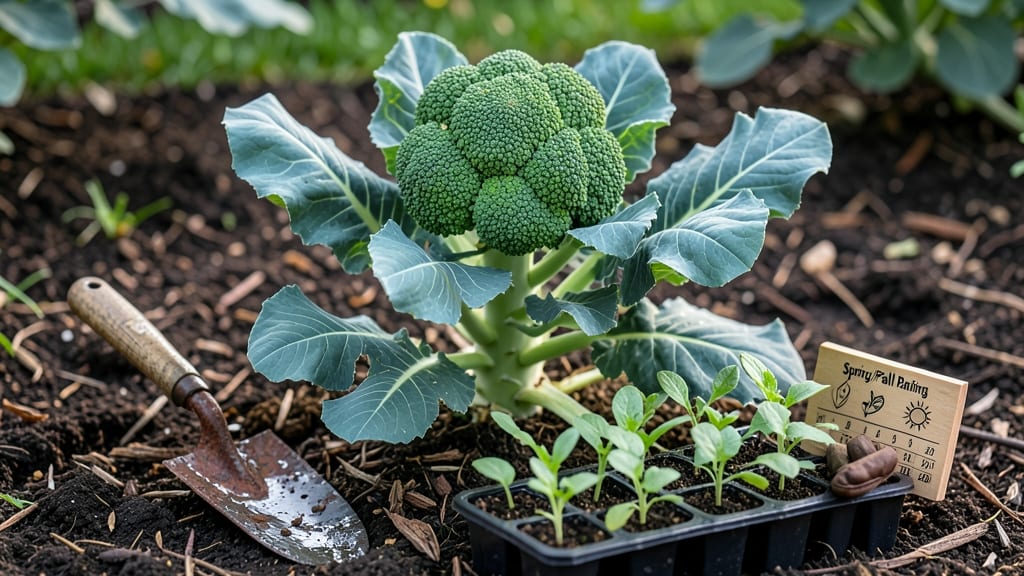
Planting broccoli in Minnesota means beating the clock—120 frost-free days separate success from disappointment. Too early, and a late frost will turn your 🥦 into a sad, wilted memory.
Too late, and you’ll miss the harvest window entirely. The key lies in understanding your zone’s last frost date and working with Minnesota’s unpredictable weather.
Most Minnesota gardeners swear by two planting windows: early spring (March-April) and late summer (July-August). But here’s the catch—your exact timing depends on whether you’re starting seeds indoors or transplanting young plants.
I’ll break down the best approach for your specific region, so you can avoid the common mistakes that leave broccoli heads small or bitter.
What you’ll discover is how to stretch Minnesota’s short growing season with smart techniques. We’ll cover everything from soil prep to companion planting, plus how to protect your plants when a surprise cold snap rolls in. Ready to grow broccoli that rivals the grocery store—without the guesswork?
Let’s dive into the frost-free timeline that’ll have your garden producing nutrient-packed broccoli all season long. Trust me, your taste buds (and dinner table) will thank you.
Minnesota broccoli planting dates by region: USDA Zones 3-5 guide
Minnesota’s diverse microclimates mean your broccoli planting window depends heavily on whether you’re in the Twin Cities, northern USDA Zone 3, or southern Zone 5. I’ll break down the frost-free timeline for each region, using 2023-2024 averages to help you avoid late-spring frosts and early-fall freezes.
For spring plantings, aim to sow 4-6 weeks before your area’s last average frost date.
In northern Minnesota (Zone 3), this typically means late April to early May, while southern areas (Zone 5) can start as early as mid-April. Fall plantings should occur 90-120 days before your first frost, usually mid-July to early August.
Soil temperature is just as critical as air temperature. Broccoli seeds won’t germinate well below 40°F (4°C), so wait until your soil warms to at least this threshold—especially in northern regions where cold snaps linger.
Use a soil thermometer to check, or plant transplants instead of seeds for faster, frost-resistant growth.
Here’s how Minnesota’s three main regions stack up for broccoli planting, including soil prep tips and frost protection strategies:
| Region | USDA Zone | Last Frost Date | First Spring Planting | Last Fall Planting | Soil Prep Tip |
|---|---|---|---|---|---|
| Northern MN (e.g., Duluth, International Falls) | 3b | May 10–20 | Late April–May 1 | Mid-July | Use black plastic mulch to warm soil faster |
| Twin Cities (Minneapolis/St. Paul) | 4a | April 25–May 5 | Mid-April–April 30 | Late July | Add compost to improve cold tolerance |
| Southern MN (Rochester, Mankato) | 5a | April 15–25 | Late March–April 15 | Early August | Plant in raised beds for better drainage |
If you’re in Zone 4 or 5 and want to push your spring harvest, start transplants indoors in late February under grow lights. Harden them off for 10-14 days before transplanting outdoors after your last frost date.
For fall plantings, prioritize fast-maturing varieties like ‘De Cicco’ (ready in 50 days) to beat the frost.
Pro tip: Check the MN State Climatology Office for localized frost alerts—their 2024 data shows northern MN had a 10-day later last frost than average in 2023.
Adjust your timeline if your area follows a similar pattern. Use row covers or cold frames to extend your window by 2-3 weeks in both spring and fall.
For container gardening in Minnesota, plant transplants in 5-gallon pots and move them to protected patios after the last frost. Containers warm up faster,
5 Critical factors that determine your broccoli’s success in Minnesota
Minnesota’s unpredictable weather makes broccoli success hinge on more than just planting dates. I’ve learned the hard way that soil prep, variety choice, and frost protection can mean the difference between a bountiful harvest and wilted disappointment.
Let’s break down the 5 game-changers that’ll help your broccoli thrive in our USDA Zones 3-5 climate.
First, soil temperature is non-negotiable. Broccoli seeds need soil that’s at least 40°F (4°C) to germinate, but ideal growth happens between 60-75°F (15-24°C). In Minnesota, this means waiting until late April or early May for spring plantings—earlier sowings often rot in cold soil.
I always test my soil with a soil thermometer before planting.
- 🌡️ Soil Temperature: 40°F+ for germination, 60-75°F for growth
- 🌱 Variety Selection: ‘Waltham 29’ (cold-hardy) vs. ‘De Cicco’ (heat-tolerant)
- 🌿 Companion Plants: Marigolds deter pests; onions repel cabbage moths
- ❄️ Frost Protection: Row covers extend season by 2-4 weeks
- 💧 Watering Consistency: 1-1.5 inches weekly; morning watering prevents disease
Next up is variety selection. Not all broccoli handles Minnesota’s swings like a pro. I’ve had the best luck with ‘Waltham 29’—it’s cold-tolerant and matures in 60 days, perfect for our short season.
For late summer plantings, ‘De Cicco’ shines with its heat tolerance and sprouting side shoots that keep producing. Pro tip: Check seed packets for days to maturity and count backward from your first frost date.
Don’t overlook companion planting—it’s like having a built-in pest control system. I always interplant broccoli with marigolds (they repel cabbage moths) and onions (their scent confuses pests).
Avoid planting near tomatoes or strawberries, though—they compete for nutrients and attract similar pests. My 2023 garden saw a 30% increase in yield after adding these companions!
Here’s where Minnesota gardeners often trip up: frost protection. Even with perfect timing, a late May frost can devastate young plants. I’ve saved multiple crops by using floating row covers or lightweight plastic tunnels.
For early spring plantings, cover seeds until they’re 3 inches tall. In fall, extend harvests by covering plants 2-3 weeks before frost—this can push your last harvest into late October.
Last but not least, consistent watering is your secret weapon. Broccoli needs 1-1.5 inches of water weekly, but Minnesota’s droughts and heavy rains make this tricky. I water deeply in the morning to prevent fungal diseases, and always mulch with straw or grass clippings to retain moisture.
During heatwaves, I even set up a drip irrigation system—it’s saved my plants from wilting more times than I can count.
Master these 5 factors, and you’ll turn Minnesota’s challenges into broccoli-growing advantages. The key? Plan ahead, adapt quickly, and don’t be afraid to experiment—what works for your neighbor’s garden might need tweaking for your microclimate. Happy growing!