
Plants
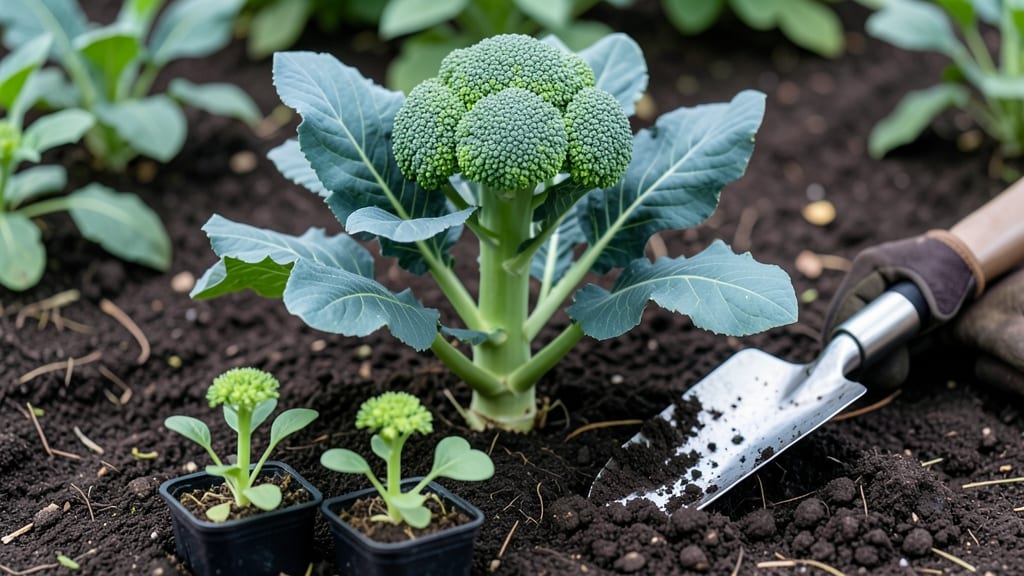
Timing your broccoli 🥦 planting in Illinois could mean the difference between a bumper crop and wasted effort—because those unpredictable spring frosts and scorching summer heat can sabotage even the most well-intentioned gardeners.
If you’ve ever stared at your seed packets wondering, "When exactly should I plant broccoli in Illinois?" you’re not alone. The key lies in understanding your USDA Zone 5b-6b climate, where frost can linger until mid-April and heat arrives earlier than you think.
But here’s the good news: with the right strategy, you can enjoy fresh, homegrown broccoli from late spring all the way through fall.
In this guide, I’ll break down the optimal planting windows—spring and fall—so you can avoid common mistakes like bolting or stunted growth. Whether you’re starting seeds indoors or transplanting seedlings, I’ve got the exact timing and care tips tailored for Illinois gardeners.
Ready to turn your backyard into a broccoli powerhouse? Let’s dive into the perfect planting schedule that’ll have you harvesting crisp, flavorful heads all season long.
Best planting times for broccoli in Illinois by region (chicagoland, southern, northern)
Timing is everything when growing broccoli in Illinois. The state's USDA zones 5b-6b mean you can grow two successful crops—spring and fall—but getting the dates right prevents frost damage or heat stress.
Illinois' last spring frost typically hits mid-April, while the first fall frost arrives around mid-October. However, regional differences matter.
Northern Illinois (like Chicago) has cooler springs and shorter growing seasons, while southern Illinois (near St. Louis) enjoys longer heat waves. Even within these regions, microclimates—like urban heat islands—can shift your planting window by 1-2 weeks. Always check your local frost date averages for precision.
For spring planting, aim to sow seeds or transplant seedlings 4-6 weeks before your last frost date. This means mid-March to early April in most areas. In northern Illinois, start even earlier (late February indoors) to account for cooler soils.
For fall planting, transplant seedlings mid-July to early August so they mature before frost.
Direct sowing is an option, but transplants give you a head start—literally. Seedlings from nurseries (like Waltham 29) are hardier and establish faster. If you're sowing seeds directly, do so 2-3 weeks earlier than transplanting to account for slower germination in cool soils.
| Region | Spring Planting Window | Fall Planting Window | Key Notes |
|---|---|---|---|
| Northern IL (Chicago) | Late March–Early April | Mid-July–Early August | Cooler soils; use row covers for frost protection. |
| Central IL (Springfield) | Mid-March–Mid-April | Late July–Early August | Moderate climate; ideal for two crops. |
| Southern IL (St. Louis) | Early March–Early April | Early July–Mid-August | Warmer springs; extend fall planting to late August. |
Soil temperature is just as critical as air temperature. Broccoli seeds need soil that’s at least 40°F (4°C) to germinate, but 50°F (10°C) is ideal for faster growth.
In northern Illinois, soil may not warm up until late April, so start seeds indoors or use a cold frame to jumpstart germination.
If you’re transplanting, harden off seedlings for 7-10 days before moving them outdoors. This means gradually exposing them to outdoor conditions (wind, sun, temperature fluctuations) to prevent shock. Use shade cloth on sunny days during hardening to avoid leaf scorch.
For fall broccoli, the goal is to harvest before first frost. In southern Illinois, you can push it to late October, but in northern areas, aim to finish by mid-October.
Use row covers or cold frames to extend the season by 2-3 weeks if needed.
Pro tip: Plant a succession crop every 2-3 weeks from spring to early fall. This ensures a steady supply of fresh broccoli and maximizes your garden space. Even a small 4' x 4' bed can yield 12-15 heads with staggered plantings.
Remember, Illinois weather is unpredictable. Always have a backup plan—like row covers or a greenhouse—to protect your broccoli from unexpected late frosts or heatwaves. With the right timing, you’ll enjoy homegrown broccoli from spring through fall!
Best planting times for broccoli in Illinois by region (chicagoland, southern, northern)
Illinois’ USDA zones 5b-6b mean broccoli thrives with precise timing—miss the window, and you risk frost damage or bolting. Northern Illinois (zones 5a-5b) has later last frosts (April 20-May 1), while Southern Illinois (zones 6a-6b) can plant 2-3 weeks earlier.
Chicagoland falls in between, with April 15 as the average last frost date.
For spring plantings, aim for 4-6 weeks before your last frost.
In Northern Illinois, that’s mid-March to early April; in Southern Illinois, late February to mid-March. Fall plantings should start 8-10 weeks before first frost—mid-July to early August—to ensure harvest before October 15 in most regions.
| Region | Spring Planting Window | Fall Planting Window | Last Frost Date | First Frost Date |
|---|---|---|---|---|
| Northern Illinois (Zones 5a-5b) | Mid-March to Early April | Mid-July to Early August | April 20-May 1 | October 10-15 |
| Chicagoland (Zone 5b-6a) | Late March to Mid-April | Late July to Early August | April 15 | October 15 |
| Southern Illinois (Zones 6a-6b) | Late February to Mid-March | Early July to Mid-August | March 25-April 10 | October 20-25 |
Direct sowing broccoli seeds works in Southern Illinois, but Northern Illinois gardeners should start indoors 6-8 weeks before transplanting (by mid-February). Seedlings need hardening off for 7-10 days before outdoor placement. Transplants are ideal for all regions—they mature 2-3 weeks faster than direct-sown seeds.
Soil temperature is critical: broccoli germinates best in 45-85°F soil. Use a soil thermometer to confirm readiness—Northern Illinois soils often need warming in early spring. Black plastic mulch can raise soil temps by 5-10°F, speeding up germination.
For fall crops, prioritize fast-maturing varieties (e.g., 'De Cicco') to avoid bolting before frost. In Northern Illinois, plant late July for harvests before October 15. Southern Illinois can extend harvests until November 1 with row covers.
Always check your local Cooperative Extension Service for microclimate adjustments. Urban areas like Chicago may experience 2-3°F warmer microclimates than rural zones, delaying frost dates by 1 week. Adjust your planting schedule accordingly!