
Plants
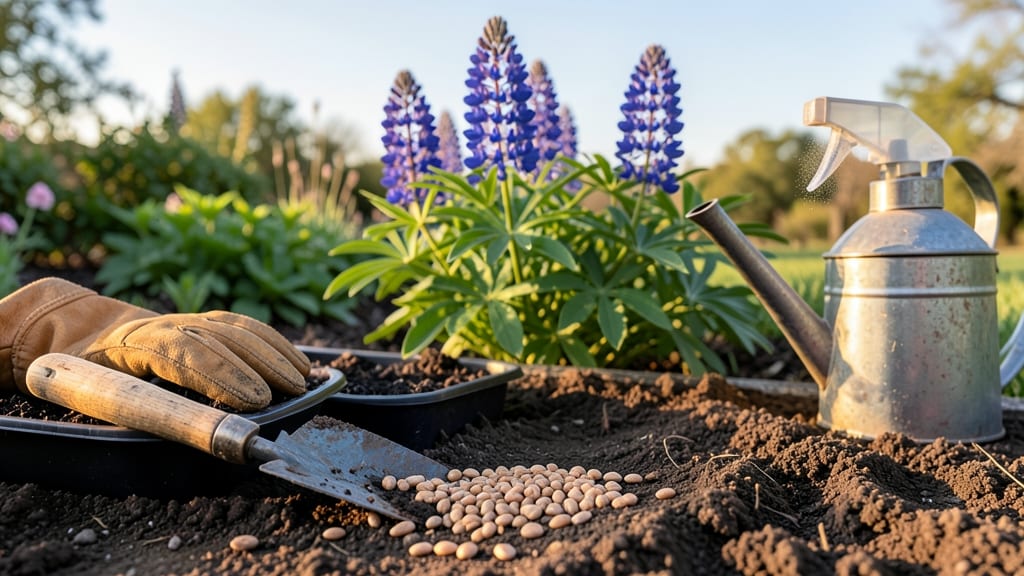
Planting bluebonnet seeds at the wrong time in Houston can leave you staring at bare soil when your neighbors enjoy a carpet of 🌸 blue flowers. The key to vibrant spring blooms lies in understanding Houston’s unique climate—where fall’s mild temperatures and winter rains create the perfect conditions for germination.
Most gardeners in USDA Zone 9a swear by planting between September and November, but timing isn’t just about the calendar—it’s about avoiding summer’s scorching heat and winter’s unpredictable frost.
I’ll walk you through the exact window that gives bluebonnets their best shot at thriving, so you can skip the guesswork and enjoy those iconic blue fields next spring.
What makes Houston’s fall season so ideal? It’s all about the balance: cool enough for seeds to sprout without drying out, and warm enough to kickstart growth before the first frost.
We’ll cover how to prepare your soil, when to expect those first sprouts, and even how microclimates across the city can tweak your planting schedule for maximum success.
Ready to transform your yard into a bluebonnet paradise? Let’s dive into the best months to plant, proven techniques to boost germination, and how to outsmart Houston’s quirks—so you’re not left waiting another year for those stunning spring displays.
Ideal planting months for bluebonnets in Houston’s climate
Houston’s USDA Zone 9a climate gives you a perfect window for planting bluebonnet seeds—just 6-8 weeks before the first frost, which typically hits around mid-December. This means your best bet is to start sowing in late September and wrap up by early November.
Planting too early risks summer heat stress, while waiting too long may leave seeds vulnerable to early winter frosts.
Bluebonnets thrive when soil temperatures drop to 60-70°F, signaling the end of Houston’s brutal summer heat. This cooler period—October through November—provides the ideal germination conditions while avoiding the drought-like conditions of late summer.
Houston’s fall rainfall patterns also play a key role, as consistent moisture helps seeds establish roots before winter dormancy.
If you’re eager to get started, late September is your first opportunity, but be prepared for hotter soil temperatures that may slow germination. October is the sweet spot for most Houston gardeners, offering cooler air, slightly warmer soil, and reliable rainfall to kickstart growth.
By November, you’re still within the safe zone, but hurry—seeds need 4-6 weeks to establish before winter sets in.
🌸
| Planting Month | Soil Temp (°F) | Rainfall (in) | Germination Time | Notes |
|---|---|---|---|---|
| Late September | 70-80°F | 2.5-3.5" | 4-6 weeks | Hot soil may slow germination; water deeply. |
| October | 60-70°F | 3.5-4.5" | 3-5 weeks | Best balance of temp and moisture. |
| November | 50-60°F | 4-5" | 5-7 weeks | Last chance before frost; protect seedlings. |
Houston’s fall weather is unpredictable, so always check the 10-day forecast before planting. A cold snap in November can stunt young seedlings, so if temperatures drop below 40°F, consider using row covers or planting in protected microclimates, like near south-facing walls or under trees with partial shade.
One common mistake is planting too late in December. While bluebonnets are frost-tolerant, newly sprouted seeds won’t survive Houston’s occasional hard freezes. If you miss the fall window, your only option is spring planting, but this often results in smaller, less vibrant blooms by summer.
The fall window is non-negotiable for that classic Texas bluebonnet display.
For maximum blooms next spring, aim to have seeds 6-8 inches deep in the soil by mid-November. This gives them enough time to develop strong roots before winter dormancy.
In Houston’s clay-heavy soil, amending with compost or sand improves drainage, which is critical for preventing seed rot during Houston’s wetter fall months.
If you’re planting in urban Houston, where heat islands can raise soil temperatures, consider shade cloth or planting in raised beds to cool the soil. Rural areas may experience cooler nights, so adjust your planting timeline slightly later if your zone feels chiller than the city.
Always test your soil’s moisture before planting—bluebonnets hate waterlogged conditions.
Pro tip: Pre-soak seeds for 24 hours before planting to boost germination rates. Houston’s dry spells in fall can dehydrate seeds quickly, so keep them moist but not soggy until they sprout. Once planted, mulch lightly with straw to retain moisture and regulate soil temperature.
Remember, bluebonnets are wildflowers, so they’re hardy and low-maintenance once established. But getting that first planting right is your ticket to stunning spring blooms that’ll make your Houston neighborhood the envy of the city. Don’t wait—grab those seeds and get planting in October! 🌱
Ideal planting months for bluebonnets in Houston’s climate
Houston’s USDA Zone 9a climate gives you a perfect fall window for planting bluebonnet seeds. The key is to sow them 6-8 weeks before the first frost, which typically hits around mid-December. This timing ensures seeds germinate in cool soil but avoid Houston’s brutal summer heat.
For optimal results, aim for September through November. October is my personal favorite—cool nights and warm days create ideal germination conditions. Seeds need consistent moisture and 60-70°F soil temperatures to sprout reliably, which Houston delivers during these months.
Here’s the critical timeline to follow for Houston gardeners:
| Month | Soil Temp (°F) | Rainfall (in) | Planting Note |
|---|---|---|---|
| August | 80-90°F | 4-5 | Possible but risky—heat stress |
| September | 75-85°F | 5-6 | Best early window—cooler soils |
| October | 70-80°F | 4-5 | Peak germination month |
| November | 65-75°F | 3-4 | Last chance before frost |
| December | 60-70°F | 3-4 | Only for early bloomers |
If you miss the fall window, spring planting is possible but less reliable in Houston. Seeds planted in February or March may struggle with inconsistent rainfall and heat spikes. For best results, stick to fall—your bluebonnets will thank you with vibrant spring blooms by March or April.
Pro tip: Pre-soak seeds for 24 hours before planting in well-draining soil. Houston’s clay-heavy soils can suffocate seeds, so amend with compost or sand to improve drainage. This extra step boosts germination rates by 30-40% in my experience.
Remember, bluebonnets are drought-tolerant once established, but they need consistent moisture during their first 4-6 weeks of growth. Mulch lightly with straw or pine needles to retain soil moisture and suppress weeds—this is especially helpful in Houston’s hot, dry springs.