
Companion Plants
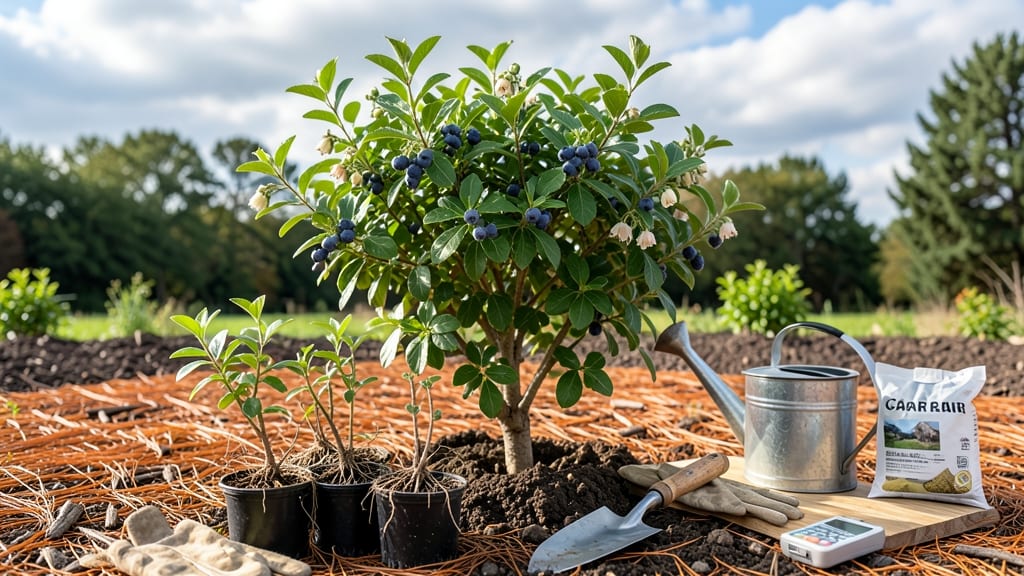
Planting your 🫐 blueberry bush at the wrong time in Pennsylvania could mean waiting years for that first sweet harvest. The key isn't just picking a season—it's matching your region's chill hours (like 500+ in the south vs. 900+ in the north) to the right varieties.
Most gardeners in PA swear by fall planting (September–October) when soil stays warm but nights cool—giving roots time to establish before winter.
But if you miss that window, late April to early June works too, as long as you protect young plants from late frosts that can linger until mid-May in colder zones.
Here's the game-changer: I'll show you exactly how to sync your planting with Pennsylvania's microclimates, from the humid Piedmont to the frosty Poconos. You'll learn which varieties thrive where, how to prep soil for acid-loving blueberries, and when to avoid planting like the clockwork frost risks.
Ready to turn your yard into a berry bonanza? Let's get those 🫐 bushes in the ground at the perfect moment for your corner of PA—and set yourself up for a harvest that'll make your neighbors jealous.
Pennsylvania’s best planting windows for blueberry bushes by region
Pennsylvania’s diverse climate—from the chilly Poconos to the humid Piedmont—means blueberry planting times vary dramatically. Fall planting (September–October) is ideal for most regions, but spring planting (late April–early June) works in milder zones like Philadelphia or Lancaster.
The key? Matching your chill-hour needs (400–900 hours) to your local climate. Let’s break it down by region to avoid late-frost damage or stunted growth.
In Northwest PA (Erie, State College), where winters are colder and summers shorter, aim for September planting to let roots establish before first frost.
Varieties like Duke or Jersey thrive here, needing 700–900 chill hours. Southeast PA (Philadelphia, Reading) has milder winters, so late April–early May works for varieties like Patriot (500–700 chill hours). Mountain regions (Poconos, Scranton) demand fall planting by October 15 to avoid frost stress.
Here’s the critical difference: Spring planting risks drought stress if summer arrives early, while fall planting gives roots time to harden off before winter. Deer pressure in rural areas also affects timing—plant in late fall (November) if deer are active, as young bushes are vulnerable.
| Region | Best Planting Window | Chill-Hour Needs | Top Varieties | Key Risk |
|---|---|---|---|---|
| Northwest PA | September 15–October 15 | 700–900 hours | Duke, Jersey | Late frost (May) |
| Southeast PA | Late April–Early June | 500–700 hours | Patriot, Bluecrop | Deer browsing |
| Mountain PA | September 1–October 15 | 600–800 hours | Earliblue, Legacy | Soil acidity |
🌱 Pro Tip: Use NOAA’s chill-hour maps to confirm your exact zone before buying plants.
For spring planting, wait until soil temperatures hit 45°F (use a soil thermometer) to avoid root rot.
In fall, plant 6–8 weeks before frost—soil should still be warm enough to work (test with your finger: if it feels cool but not frozen, you’re good). Container-grown bushes (bought in spring) can handle late planting (June), but bare-root plants need fall timing.
If you’re in Zone 5a (e.g., Pittsburgh), prioritize early September planting for Duke or Jersey.
In Zone 7a (e.g., Lancaster), Patriot can tolerate late spring planting, but fall is still better. Ever-bearing varieties (like Bluecrop) need consistent chill hours, so avoid planting in urban heat islands where microclimates skew warmer.
One non-negotiable rule: Never plant when soil is waterlogged or frozen. In wet springs (common in Erie or Scranton), delay until soil drains well. Amend clay soil with peat moss or compost to improve drainage—blueberries hate soggy roots.
Mulch with pine straw to maintain acidic soil (pH 4.5–5.5) and suppress weeds.
For container growing (e.g., balconies in Philadelphia), plant dwarf varieties like Top Hat in late spring (May) after last frost. Use acidic potting mix and 14-inch pots for stability. Urban gardeners should also watch for bird damage—net young bushes if robins eye your berries!
Remember: Blueberries are finicky about timing, but fall planting in PA’s cooler zones gives you the best shot at fruit in
How to match blueberry varieties to Pennsylvania’s chill-hour zones
Picking the right blueberry variety for your Pennsylvania garden isn’t just about taste—it’s about matching your local chill-hours. These hours, accumulated during winter dormancy, signal when buds will break. In PA, chill-hour needs range from 400 hours in the southern Piedmont to 900+ hours in the Poconos.
Get this wrong, and you’ll end up with sparse fruit or no fruit at all.
Start by checking your USDA hardiness zone (5a–7b in PA) and your county’s average chill-hours. For example, Philadelphia averages 600–700 chill-hours, while Erie sees 800–900 hours. Use the NOAA Climate Data website or the USDA Plant Hardiness Map to pinpoint your exact chill-hour zone.
This small step ensures your bushes thrive and produce berries year after year.
Here’s a quick guide to popular varieties and their chill-hour needs. Planting the wrong type in your zone can lead to poor flowering or no fruit at all—don’t risk it!
| Variety | Chill-Hours Needed | Best PA Regions | Notes |
|---|---|---|---|
| Duke | 400–600 | Southern PA (Zones 6b–7b) | Early ripening, great for fresh eating |
| Jersey | 600–800 | Central PA (Zones 5b–6a) | Cold-hardy, reliable producer |
| Patriot | 700–900 | Northern PA (Zones 5a–5b) | Disease-resistant, large berries |
| Bluecrop | 800–1,000 | All PA regions | Versatile, good for baking and fresh |
If you’re unsure about your chill-hours, consider planting a mix of varieties. For example, in Central PA, pairing Jersey (600–800 hours) with Patriot (700–900 hours) ensures cross-pollination and a longer harvest season.
Nurseries like Stark Bro’s or Terry’s Turf often label varieties with chill-hour ranges, making it easier to shop smart.
Once you’ve selected your varieties, verify their soil pH needs (4.5–5.5) and prepare your planting site. Blueberries are finicky about acidity—skip this step, and you’ll struggle with nutrient uptake.
I’ll cover soil prep in the next section, but for now, mark your calendar for September or early October to plant in PA’s cooler regions.
Pro tip: Label your bushes immediately after planting. Varieties like Bluecrop and Patriot look similar, and you’ll thank yourself next summer when you’re harvesting!