
Plants
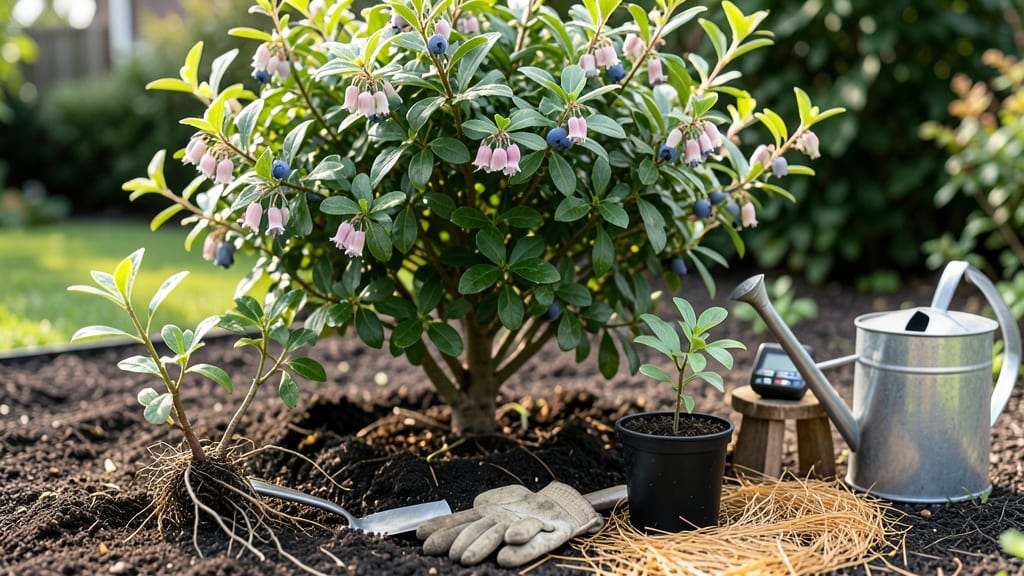
Planting blueberry bushes 🫐 in Georgia at the wrong time can mean the difference between a bountiful harvest and years of disappointment.
Unlike northern climates, Southern varieties like rabbiteye and Southern highbush need precise timing to match their chill-hour requirements—too early, and they’ll struggle with heat; too late, and they won’t establish roots before summer stress kicks in.
Most Georgia gardeners swear by late fall to early spring as the sweet spot, but your exact window depends on whether you’re in the coastal lowlands (warmer, fewer chill hours) or the Piedmont (cooler, more traditional timing).
I’ll break down the best months for your specific zone, plus how to tweak planting for microclimates that can throw off even the most well-laid plans.
Here’s the game-changer: Southern highbush varieties thrive with 300-600 chill hours, while rabbiteye bushes need 400-800. If you’re in Zone 7b-8b, we’ll help you calculate your local chill hours and pick the perfect planting window—whether that’s October for a head start or March for a safer bet.
Ready to avoid the 5 critical mistakes that kill Georgia blueberry bushes? From soil pH traps to mulching hacks, I’ll show you exactly how to set your bushes up for success—so you’re not left wondering why your 🫐 plants aren’t fruiting by next summer.
Best planting months for Georgia blueberries based on chill hours
Georgia’s blueberry bushes thrive when planted during their dormant season, but timing depends on your chill-hour zone. Most Southern varieties need 300–900 chill hours (below 45°F) to set fruit properly. In Georgia, this means fall or early spring planting for optimal root establishment before summer heat.
Southern highbush varieties (like ‘Peach Sorbet’) need 300–500 chill hours, while rabbiteye types (e.g., ‘Climax’) require 500–900 hours.
Coastal Georgia (Zone 8a) often has fewer chill hours, so late winter (Feb–March) is ideal, while North Georgia (Zone 7b) can handle fall planting (Oct–Nov) for better root growth.
To check your chill hours, use the NOAA Climate Data tool or contact your local UGA Extension office. For example, Savannah averages 400 chill hours, while Blairsville hits 800+ hours. Matching your variety to your zone avoids wasted effort and poor yields.
For fall planting, aim for 6–8 weeks before frost (typically October in most of Georgia). This lets roots establish before winter. In coastal areas, where winters are milder, late winter (Feb–March) is safer to avoid summer heat stress.
If you miss the fall window, early spring (March–April) is your next best bet. Just ensure soil temperatures stay above 40°F to prevent root shock. Avoid planting in summer heat, as young bushes struggle to establish in Georgia’s 90°F+ temperatures.
Pro tip: Bare-root plants (sold dormant) can handle fall planting, while container-grown bushes are better for spring. Soak bare-root plants for 2–4 hours before planting to rehydrate roots. For container-grown, trim roots by 1/3 to encourage new growth.
After planting, mulch heavily (3–4 inches of pine straw or wood chips) to retain moisture and acidity. Georgia’s clay soils often need sulfur amendments to reach the ideal pH 4.5–5.5. Test your soil before planting—many Georgia gardens are too alkaline for blueberries.
Remember: Chill hours ≠ frost dates. A late frost in March won’t hurt established bushes, but young plants need protection. Use frost cloth if frost is forecasted within 4 weeks of planting. With the right timing, your Georgia blueberries can yield 2–4 pounds per bush annually.
🫐
How to adjust planting time for Georgia’s microclimates (coastal vs. Piedmont vs. mountains)
Georgia’s diverse geography means your blueberry planting schedule should vary dramatically depending on whether you’re in the coastal plains, the Piedmont region, or the North Georgia mountains. Each area has distinct chill-hour requirements and frost patterns that directly impact when—and how—you should plant.
Coastal areas like Savannah and Brunswick typically have fewer than 500 chill hours, making them ideal only for low-chill rabbiteye varieties. Meanwhile, the mountains near Blue Ridge can exceed 1,000 chill hours, allowing for traditional Northern highbush types.
Understanding these differences ensures your bushes thrive rather than struggle.
Here’s how to adjust your planting window based on Georgia’s three key regions, plus tips for artificially extending chill exposure if needed:
| Region | Chill Hours | Best Varieties | Optimal Planting Window | Key Adjustment |
|---|---|---|---|---|
| Coastal (Zone 8b) | 300–500 | Rabbit-eye (Tifblue, Climax) | Late fall (Nov–Dec) | Plant earlier to avoid summer heat stress |
| Piedmont (Zone 7b–8a) | 500–700 | Southern highbush (Peach Sorbet, Premier) | Early spring (Feb–March) | Use mulch to retain moisture |
| Mountains (Zone 6b–7a) | 700–1,000+ | Northern highbush (Duke, Bluecrop) | Late fall (Oct–Nov) or early spring | Protect from late frosts with row covers |
If you’re in a marginal zone (e.g., 600–700 chill hours), consider delaying harvest by planting in late winter instead of fall. This gives bushes extra time to build cold hardiness before summer’s heat arrives.
For areas with insufficient chill, wrap bushes in burlap during winter to simulate cold exposure.
Always check your local frost dates—the University of Georgia Extension offers free chill-hour calculators. For example, Athens (Zone 8a) averages 600 chill hours, while Blairsville (Zone 7a) hits 900+. Match your variety to these numbers, and you’ll avoid the heartbreak of failed blooms or stunted growth.
Pro tip: Container growing gives you flexibility to move bushes between microclimates. Place pots in shadier spots during summer to reduce heat stress, then return them to full sun for optimal fruit production. Just ensure containers have drainage holes and use acidic potting mix.