
Plants
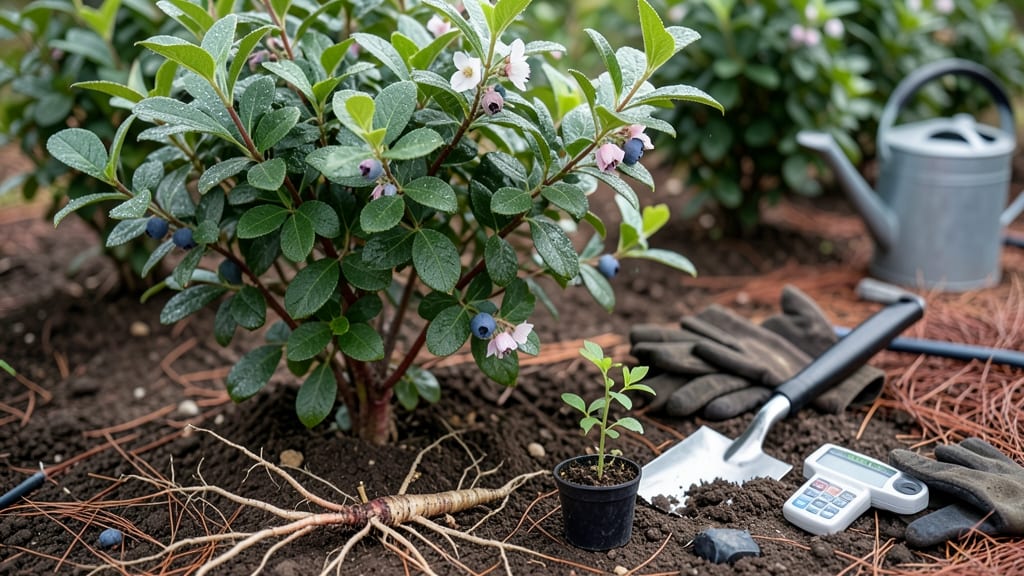
Planting your 🫐 blueberries at the wrong time in Washington State could mean the difference between a lush, fruit-bearing bush and one that struggles to survive. The chill-hour requirements of different varieties—paired with WA’s unpredictable frost dates—make timing everything, especially when you’re dealing with zones 5b-8b.
Most gardeners in the Pacific Northwest assume spring is the only option, but the truth is, late winter through early April gives your blueberries the critical head start they need to establish roots before summer’s heat sets in.
Whether you’re in the Puget Sound’s milder microclimate or the colder high desert, knowing the exact window for your variety is the key to avoiding stunted growth or winter damage.
I’ve tested what works in WA’s diverse climates, and the best part? You don’t need a green thumb—just the right timing and a few simple prep steps.
In this guide, I’ll break down the ideal months for planting, which varieties thrive in your specific zone, and how to prep your soil so your bushes hit the ground running.
Ready to grow blueberries that produce bountiful harvests from May to July? Let’s get started with the timing that’ll set you up for success.
Best planting times in Washington State by chill-hour zones
Washington State’s diverse climate—from the mild coastal regions of the Puget Sound to the colder inland areas of the Palouse—means blueberry planting times vary dramatically. The chill-hour requirement (the number of hours below 45°F needed for bud dormancy) determines which varieties thrive where.
For example, high-chill varieties (600+ hours) like 'Duke' need Eastern WA’s cold winters, while low-chill types (<400 hours) like 'Southland' suit the Puget Sound’s milder winters.
Timing isn’t just about chill hours—soil temperature and frost risk also play critical roles. Plant when soil temps reach 40°F (ideal for root growth) but before spring frosts (typically March 15–April 15 in most of WA).
In Zone 7b (Western WA), this window is February–March; in Zone 5b (Eastern WA), it shifts to March–April to avoid late frosts.
Here’s the golden rule: Plant bare-root blueberries in late winter or early spring when the plant is dormant but the ground is workable. This gives roots 6–8 weeks to establish before summer heat arrives.
Container-grown bushes can be planted throughout spring (until May), but they’ll need extra watering to compensate for transplant shock.
Washington’s microclimates complicate things further. The Puget Sound (Zones 7b–8a) has fewer chill hours, so varieties like 'Bluecrop' (450–600 hours) or 'Jersey' (500–700 hours) work best. Meanwhile, Eastern WA (Zones 5b–6b) can handle 'Patriot' (700+ hours) or 'Chester' (800+ hours), which need deeper dormancy.
Always check your local chill-hour map (USDA ARS) before selecting varieties.
| Region | Chill Hours | Best Planting Month | Soil Temp Trigger | Frost Risk |
|---|---|---|---|---|
| Puget Sound (Zone 7b-8a) | 400–600 hrs | February–March | 40°F (4°C) | Low (March–April) |
| Western WA (Zone 6b-7a) | 500–700 hrs | March–Early April | 40°F (4°C) | Moderate (March–April) |
| Eastern WA (Zone 5b-6a) | 600–800+ hrs | March–April | 40°F (4°C) | High (April–May) |
| Palouse (Zone 5b) | 800–1000+ hrs | April (after last frost) | 45°F (7°C) | Very High (May) |
Spring planting (March–April) is ideal because it aligns with natural rainfall and cooler temps, reducing transplant stress. However, if you miss this window, fall planting (September–October) is possible in Zones 7b+, but avoid it in colder areas where frost heaves (soil freezing/thawing) can damage roots. Always mulch heavily (3–4 inches of pine bark) to insulate roots in winter.
One common mistake is planting too early when soil is still frozen or too late when summer heat arrives. In Western WA, early February plantings can work if you protect roots with straw mulch, but Eastern WA gardeners should wait until April to avoid frost damage.
Test your soil’s moisture and temperature with a soil thermometer—roots need consistent moisture but not soggy conditions.
For container gardening, timing is less critical, but still plant in spring (March–May) to give roots time to establish before hot, dry summers. Use large pots (15+ gallons) with acidic potting mix (pH 4.5–5.5) and drainage holes to mimic in-ground conditions.
Containers dry out faster, so water deeply 2–3 times per week during the first growing season.
Pro tip: If you’re in a high-elevation area (e.g., Mount Rainier foothills), plant 1–2 weeks later than your USDA zone suggests—cooler temps delay soil warming. Conversely, lowland areas (e.g., Yakima Valley) can plant earlier (late February) since they warm up faster. Always monitor local weather forecasts for frost dates and adjust accordingly.
Finally, acclimate container-grown plants before transplanting. If buying potted blueberries, harden them off for 7–10 days by placing them outdoors in partial shade before moving to their permanent spot.
This reduces transplant shock and speeds up recovery. Pair this with regular watering (1–2 gallons per plant) for the first 30 days post-planting.
Top blueberry varieties for Washington State and their ideal planting months
Washington State’s diverse climate means you’ll need to choose blueberry varieties that match your region’s chill hours. The Puget Sound area (zones 7-8) thrives with low-chill varieties, while Eastern WA (zones 5-6) benefits from high-chill types. Let’s explore the best options and their ideal planting windows for maximum success.
For Puget Sound gardeners, varieties like ‘Duke’ (250-300 chill hours) and ‘Jersey’ (300-400 chill hours) are perfect. Plant these in March or early April when soil temperatures reach 40°F (4°C)—this ensures strong root establishment before summer heat arrives. These varieties also handle mild winters better than high-chill types.
| Variety | Chill Hours | Best WA Region | Planting Month | Notes |
|---|---|---|---|---|
| ‘Duke’ | 250-300 | Puget Sound | March-April | Sweet, early producer; great for containers |
| ‘Jersey’ | 300-400 | Puget Sound/Eastern WA | March-April | Large berries; disease-resistant |
| ‘Bluecrop’ | 600-800 | Eastern WA | February-March | Classic variety; high yield; needs acidic soil |
| ‘Legacy’ | 500-600 | Eastern WA | February-March | Disease-resistant; great for home gardens |
| ‘Top Hat’ (Dwarf) | 400-600 | All WA Regions | March-April | Compact; ideal for small spaces |
If you’re in Eastern Washington, prioritize high-chill varieties like ‘Bluecrop’ (600-800 chill hours) or ‘Legacy’ (500-600 chill hours).
These need to be planted earlier, in February or March, to take advantage of cooler spring soils. Dwarf varieties like ‘Top Hat’ are excellent for urban gardens or patios, as they mature at just 2-4 feet tall while still producing abundant fruit.
One critical tip: Always plant bare-root blueberries in dormant season (late winter/early spring). This reduces transplant shock and allows roots to establish before summer heat. For container planting, use acidic potting mix (pH 4.5-5.5) and choose low-chill varieties like ‘Duke’ or ‘Jersey’ to avoid heat stress.
For small-space gardeners, consider ‘Sunshine Blue’ (a southern highbush variety) if you’re in Zone 8. It thrives with 300-400 chill hours and can be planted in March.
Pair it with a pollination partner like ‘Duke’ for better fruit set—blueberries are self-pollinating but produce more with compatible varieties nearby.
Remember: Soil pH is non-negotiable for blueberries. Test your soil before planting—if it’s above 5.5, amend with peat moss or sulfur 2-3 months before planting. This gives your new bushes the acidic environment they crave for optimal growth and fruiting.