
Plants
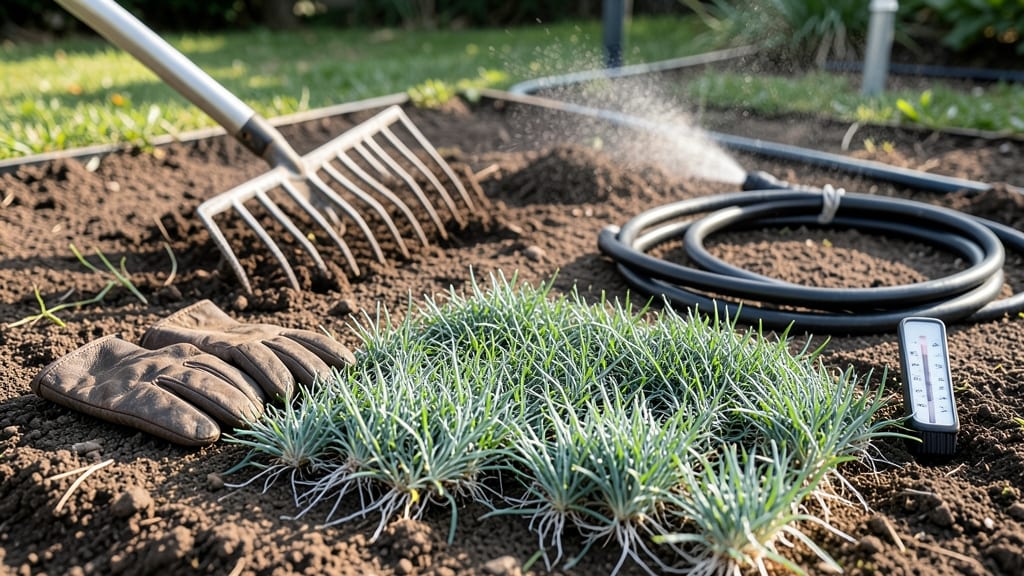
Planting Bermuda grass at the wrong time in Phoenix, AZ, can turn your lawn dreams into a wilted disappointment—but get the timing right, and you’ll have a fast-growing, heat-resistant lawn before summer even hits.
The key isn’t just waiting for spring; it’s leveraging the city’s brutal heat to your advantage by planting when soil temperatures hit that sweet spot of 80°F+, ensuring roots take off before the monsoon season arrives.
Most gardeners assume late winter or early spring is the only window, but in Phoenix’s 9b climate, the real magic happens in late spring or early summer.
That’s when the 🌱 Bermuda grass varieties like Tifway 419 and Riviera really shine, thriving in the heat while avoiding the stress of extreme summer peaks. Skipping this window means slower establishment and a lawn that struggles to keep up with Arizona’s relentless sun.
What sets Phoenix apart is how the monsoon season plays into your planting strategy. The 4-6 weeks before the first big rains arrive is the perfect time to get seeds or sod in the ground—giving them enough moisture to root deeply without drowning in sudden downpours.
I’ll show you exactly how to time it so your lawn doesn’t just survive the summer, but dominates it.
Ready to skip the guesswork? Let’s break down the exact planting timeline, soil prep secrets, and watering tricks that’ll have your Bermuda grass looking lush and green by July—no matter how scorching the forecast gets.
Optimal planting windows for Bermuda grass in Phoenix (avoid these deadly mistakes)
Phoenix’s brutal summers demand precision when planting Bermuda grass. The 4-6 week window before monsoon rains (late July to early August) is the gold standard for rapid root establishment—but timing is everything.
Plant too early, and your grass wilts in the 110°F+ heat; too late, and fungal risks spike. Let’s break down the perfect planting schedule for Phoenix’s unique climate.
For Phoenix’s USDA Zone 9b, the ideal soil temperature is 80°F+—this triggers Bermuda’s aggressive root growth. Use a soil thermometer to confirm before planting. The best months are March-April for spring planting or July-August for summer establishment, just before the monsoon season kicks in.
Avoid May-June when temps exceed 105°F, stressing young seedlings.
Here’s the critical timeline Phoenix gardeners swear by:
| Planting Window | Soil Temp | Monsoon Alignment | Risk Level |
|---|---|---|---|
| March-April | 70°F-85°F | Pre-monsoon prep | Low (ideal) |
| May-June | 90°F+ | Late monsoon | High (heat stress) |
| July-August | 85°F-95°F | Monsoon arrival | Medium (fungal risk) |
| September-October | 75°F-80°F | Post-monsoon | High (slow growth) |
Spring planting (March-April) gives Bermuda grass a 6-8 week head start before peak summer heat. The monsoon rains (July-September) provide natural irrigation, but planting too late risks fungal diseases like brown patch. For fastest establishment, aim for late July—just as monsoon storms begin.
Phoenix’s microclimates add another layer of complexity. Higher elevations (like Scottsdale) stay cooler, allowing earlier spring planting (February), while low desert areas (like Glendale) demand later summer timing (August). Use a local weather app to track soil temps and rainfall forecasts for precision timing.
Pro tip: Shade-tolerant varieties (like Riviera Bermuda) can handle partial shade in Phoenix’s urban areas, but full-sun types (like Tifway 419) need 6+ hours of direct sunlight daily. Plant in south-facing yards for maximum sun exposure and faster germination.
One deadly mistake Phoenix gardeners make? Planting in May-June when temps exceed 105°F. Young Bermuda grass wilts within hours without shade. If you must plant in summer, use 50% shade cloth for the first 2 weeks to protect seedlings.
Always water deeply at dawn to prevent evaporation and fungal growth.
For best results, pair planting with pre-emergent herbicide (applied 2 weeks before seeding) to block weeds. Bermuda grass spreads aggressively—once established, it crowds out weeds naturally.
But timing is critical: apply herbicide too early, and it’ll kill your grass seeds; too late, and weeds take over.
Remember: Bermuda grass goes dormant in winter but roots stay alive. Planting in fall (September-October) is not recommended—growth slows dramatically, and roots struggle to establish before cool-season dormancy. Stick to spring or early summer for thick, lush coverage by monsoon season.
🌱
Phoenix-specific Bermuda grass varieties and their planting quirks
Phoenix’s extreme heat and alkaline soil demand the right Bermuda grass variety for a thriving lawn. Not all types handle 110°F+ temps or pH 7.5+ soil equally—choosing wisely means faster establishment and fewer brown patches. Let’s break down the top heat-tolerant varieties and their ideal planting windows.
For Phoenix, the best choices are Tifway 419, Riviera, and Celebration. Each has unique traits: Tifway 419 dominates for drought resistance, while Riviera handles shade better. Celebration strikes a balance with moderate shade tolerance and fast recovery after mowing.
Here’s how their planting schedules differ—and why timing matters more than you think:
Tifway 419
- ✅ Best for: Full sun, extreme heat
- ✅ Planting window: March–April (soil 75°F+)
- ✅ Drought rating: 9/10
- ✅ Shade tolerance: Poor (≤4 hrs/day)
Riviera
- ✅ Best for: Partial shade, cooler microclimates
- ✅ Planting window: April–May (soil 70°F+)
- ✅ Drought rating: 7/10
- ✅ Shade tolerance: Moderate (≤6 hrs/day)
Celebration
- ✅ Best for: Balanced sun/shade, fast recovery
- ✅ Planting window: July–August (pre-monsoon)
- ✅ Drought rating: 8/10
- ✅ Shade tolerance: Good (≤8 hrs/day)
Notice how Celebration thrives in July–August? That’s because its shade tolerance lets it establish before the monsoon rains arrive. Meanwhile, Tifway 419 needs March–April to avoid heat stress during germination. Phoenix’s alkaline soil (pH 7.5–8.5) also slows germination—so adjust your timeline by 2–3 weeks if your soil tests high.
Pro tip: Mix sand into your soil (50/50 ratio) to improve drainage and speed up root growth. This is especially critical for Riviera, which struggles in compacted clay. Test your soil’s pH and texture before planting—it’s the difference between a lush lawn and a struggling patch.
For shady spots (e.g., under trees), Celebration is your best bet—but still plant in late summer to avoid fungal issues from excess moisture. And if you’re in a microclimate (like near the mountains), delay planting by 1–2 weeks to account for cooler temps.
🌱