
Plants
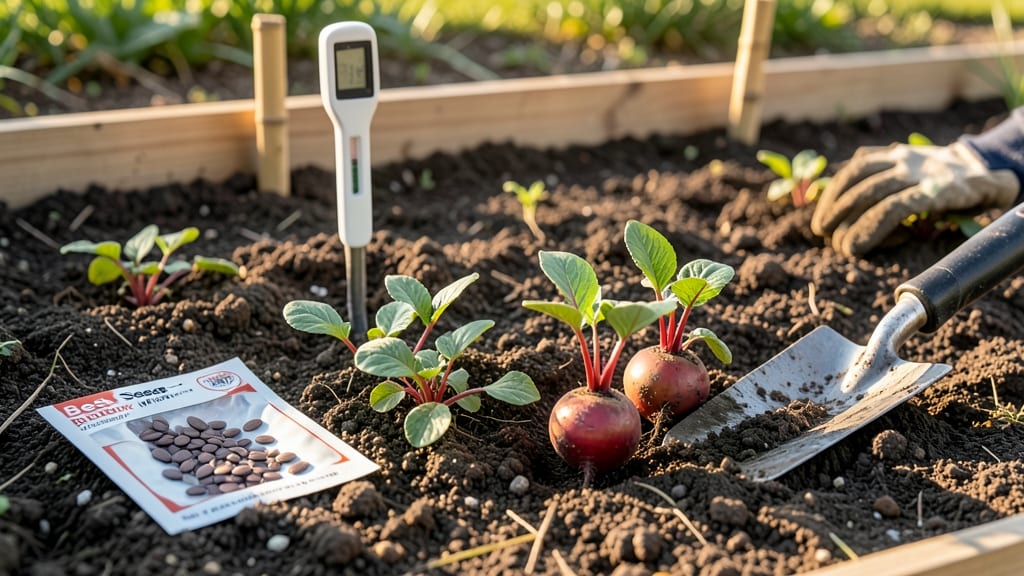
Timing your 🍠 beet planting in Utah isn’t just about following a calendar—it’s about outsmarting the state’s tricky frost cycles and high-desert climate. Skip the guesswork, and you’ll end up with tough, woody roots instead of the sweet, tender harvest you’re after.
The key lies in understanding when to plant for your specific microclimate, whether you’re in Salt Lake City’s valleys or St. George’s lower elevations.
Most Utah gardeners plant beets in March-April or August-September, but those windows shift dramatically depending on elevation. In cooler zones like 5a-7b, you might start as early as late February, while high-desert areas need to wait until after the last frost—usually mid-April.
The difference between success and failure often comes down to these 10-14 day adjustments.
What you’ll discover here are the exact planting strategies for Utah’s diverse regions, from cold-hardy varieties that thrive in early springs to fall planting hacks that extend your harvest well into October. No more wasted seeds or bitter surprises—just reliable, foolproof timing tailored to where you garden.
Ready to grow beets that actually taste sweet? Let’s break down the science behind Utah’s frost-free windows and how to align your planting schedule for maximum success—no matter which part of the state you call home.
Utah’s frost-free planting windows for beets by region
Utah’s diverse climate zones mean your beet planting schedule should shift dramatically depending on whether you’re in St. George’s desert heat or Ogden’s mountain valleys. The key is aligning your plantings with last-frost dates, which can vary by 1-2 weeks across the state.
Let’s break down the optimal planting windows for Utah’s three main regions.
For Northern Utah (Salt Lake City, Ogden, Park City), aim to plant beet seeds 2-3 weeks after your average last frost date, typically around mid-April. This gives seedlings time to establish before summer’s intense heat triggers bolting.
In Central Utah (Provo, Heber Valley), you’ve got a slightly longer window—plant late March to early April for spring crops.
Southern Utah’s desert climate (St. George, Cedar City) is the exception: you can plant as early as February in protected microclimates, thanks to milder winters. However, avoid planting before March in frost-prone valley floors. Always check your local USDA zone—most of Utah falls in 5a-7b, but elevation changes everything.
🌱 Utah Beet Planting Windows by Region
| Region | Spring Planting | Fall Planting | Key Notes |
|---|---|---|---|
| Northern Utah (Salt Lake City, Ogden) | Mid-April to early May | Late August to mid-September | Wait for soil temps >50°F; use row covers for early starts |
| Central Utah (Provo, Park City) | Late March to early April | Early September to October 1 | Higher elevations need 2-3 week later starts |
| Southern Utah (St. George, Cedar City) | February to March | September to October 15 | Desert heat requires afternoon shade; mulch heavily |
🌡️ Pro Tip: Use a soil thermometer—beets thrive when soil temps are 50-70°F.
Don’t overlook fall planting, which can be just as productive in Utah. For Northern and Central Utah, seed late August to mid-September to harvest before first frost (typically October 15).
In Southern Utah, you’ve got until October 15—perfect for cold-hardy varieties like Detroit Dark Red or Golden Beets.
For high-elevation gardeners (above 7,000 ft), delay spring planting until May 1 to avoid late frosts. These areas also benefit from succession planting every 2 weeks to stretch harvests. If you’re in Utah’s high desert (e.g., Moab), focus on shade cloth during summer to prevent bolting.
One critical Utah-specific tip: Test your soil for pH balance (beets prefer 6.0-7.0). Utah’s alkaline soils often need sulfur amendments or compost to create ideal conditions. Amend beds 4-6 weeks before planting for best results.
Remember, microclimates rule in Utah. A south-facing slope in Park City might be 5°F warmer than your front yard, creating a 2-week earlier planting window. Observe your garden’s sun exposure patterns and adjust accordingly.
For container gardeners, start seeds indoors 4-6 weeks before your region’s last frost date. Use biodegradable pots to transplant seedlings without disturbing roots—a must for Utah’s dry, windy conditions.
Finally, track your local frost dates using resources like the National Weather Service or Utah State University Extension. Their frost-free calculators account for Utah’s unpredictable weather patterns and can save you from frost-damaged seedlings.
How to extend beet growing seasons in Utah’s short climate
Utah’s short frost-free windows and high elevation variations can limit beet growing seasons—but smart strategies let you harvest sweet roots from spring to fall. The key? Cold-hardy varieties, season extenders, and succession planting tailored to your microclimate.
For mountain regions (7,000’+), focus on early spring plantings (March) using cold-tolerant varieties like ‘Detroit Dark Red’ or ‘Golden’. In valleys (4,000’-5,000’), extend harvests into late October with row covers or low tunnels.
🌱 3 Proven Utah Beet Growing Hacks
- 1. Succession Plant every 2-3 weeks from March to August for continuous harvests.
- 2. Use black plastic mulch in high desert areas to warm soil 5-10°F faster.
- 3. Plant heat-tolerant varieties like ‘Ruby Queen’ in July-August for fall harvests.
In Southern Utah (St. George), where hot summers trigger bolting, opt for shade cloth (30-50%) during June-July and switch to short-day varieties. For Northern Utah (Ogden, Salt Lake City), prioritize early spring plantings with row covers to protect against late frosts.
Soil temperature matters too! Beets need 40-85°F soil. Use a soil thermometer—if temps dip below 40°F, delay planting or use black plastic mulch to accelerate warming. In high-altitude gardens, this can add 10-14 days to your growing season.
Don’t forget fall plantings! Sow seeds in late August for harvests before first frost (mid-October). Choose smaller varieties like ‘Babybeat’ or ‘Chioggia’—they mature faster in Utah’s cooling autumns. For extra protection, add straw mulch (4-6 inches) to insulate roots.
With these tactics, you’ll turn Utah’s challenging climate into a beet-growing advantage, enjoying harvests when others can’t. The secret? Adapt, protect, and plant strategically—just like the pros! 🌱