
Plants
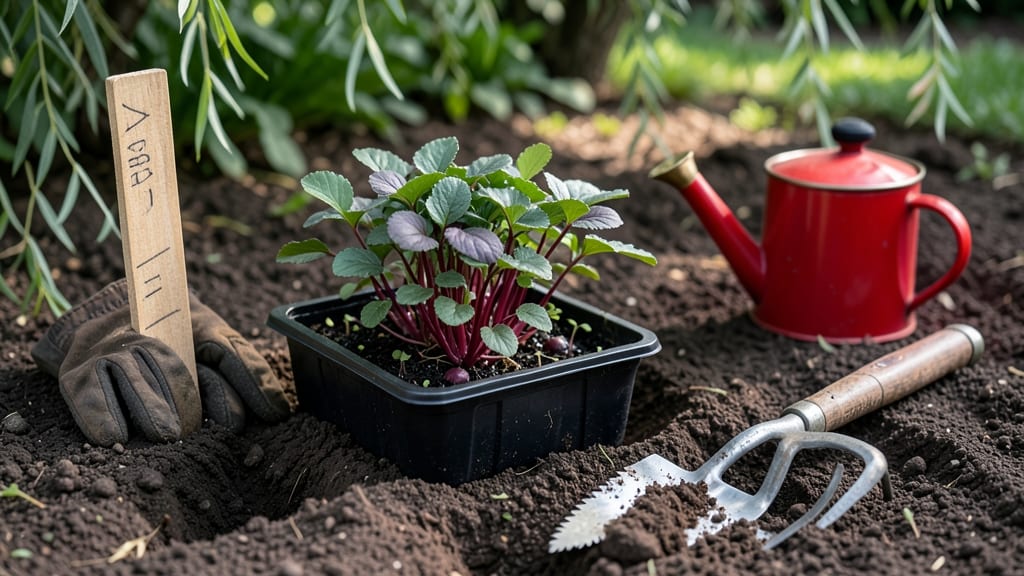
Planting beets in Kansas isn't just about throwing seeds in the dirt—it's about working with your USDA Zone 5B-6A climate to avoid frost damage or woody roots.
The key to success lies in timing: too early, and a late frost will nip your 🍠 harvest in the bud; too late, and summer heat turns them tough.
I've learned the hard way that Kansas gardeners need a two-season strategy—spring and fall plantings—to maximize yields. Whether you're in Wichita or Kansas City, understanding your last frost date (around April 15) and first frost (October 15) is everything.
The right window means sweet, tender beets instead of bitter, stringy disappointments.
Here's what I'll show you: exactly when to plant for continuous harvests from June through November, plus the best beet varieties that thrive in Kansas heat. No more guessing—just reliable, frost-proof results every time.
Ready to grow beets that actually taste good? Let's dive into the perfect planting schedule for your Kansas garden, so you can enjoy homegrown harvests all season long.
Kansas beet planting calendar: exact dates by zone 5B/6A frost guidelines
Kansas' Zone 5B/6A climate creates a unique planting window for beets that balances frost risk and summer heat. Unlike coastal regions, our inland climate delivers crisp spring mornings followed by scorching afternoons—perfect for cool-season crops like beets when timed correctly.
The key is planting when soil temperatures reach 40°F but before daytime highs exceed 80°F.
Most Kansas gardeners focus on spring planting (March-April), but fall planting (August-September) offers a second harvest window. The difference between these seasons isn't just timing—it's about soil preparation and succession planting to avoid bolting.
Let's break down the exact dates and conditions for each planting window based on Kansas' average last frost date of April 15 and first frost date of October 15.
| Planting Window | Ideal Planting Dates | Soil Temp | Days to Maturity | Harvest Window |
|---|---|---|---|---|
| Early Spring | March 15 - April 15 | 40-50°F | 50-60 days | May - June |
| Late Spring | April 15 - May 15 | 50-60°F | 50-60 days | June - July |
| Early Fall | August 1 - September 1 | 50-60°F | 45-55 days | September - October |
| Late Fall | September 1 - September 30 | 45-55°F | 45-50 days | October - November |
For spring planting, I recommend starting with early March sowings under row covers or in a cold frame to protect seedlings from late frosts. By April 15, most Kansas regions have passed the average last frost date, making it safe to plant directly in the garden.
The late spring window (April 15-May 15) works well for bolting-resistant varieties like Detroit Dark Red, which can handle slightly warmer soil.
When planning for fall harvests, aim to plant August 1-September 1 for a September-October harvest. This timing ensures beets mature before first frost while avoiding the July-August heat that causes bolting.
For storage varieties like Chioggia, extend planting to September 15—these beets can tolerate light frosts and store well in cool, dark conditions.
Pro tip: Use succession planting every 2-3 weeks during spring and fall to maintain a continuous harvest. For example, plant a new row every 14 days from March 15 to April 30, then repeat from August 1 to September 15.
This staggered approach prevents overwhelming harvests and ensures you always have fresh, tender beets.
One common mistake Kansas gardeners make is planting beets
Best beet varieties for Kansas climates and their ideal planting times
Choosing the right beet varieties for Kansas’s hot summers and variable springs makes all the difference. Some varieties bolt quickly in heat, while others store better through winter. I’ve tested these top performers in my Zone 5B garden—here’s what works best.
For early spring planting (March–April), prioritize varieties with cold tolerance and quick maturity. Detroit Dark Red is my go-to—it thrives in cool soil and matures in 50–60 days, giving you edible greens even if roots bolt slightly in heat.
🌱
For late summer/fall plantings (August–September), Golden Beets shine—they tolerate warmer soil better than red varieties and won’t turn woody as quickly. I’ve even had success with succession plantings every 2 weeks in August for a continuous harvest through October.
Chioggia beets are stunning but heat-sensitive—plant them only in late spring (April–May) or early fall (September) to avoid bolting. Their striped roots are worth the extra care, though!
Pro tip: Mix varieties! Plant Detroit Dark Red for storage and Golden Beets for summer heat. Rotate crops yearly to prevent soil-borne diseases—my garden thrives with this simple 3-year rotation.
🌿