
Trees
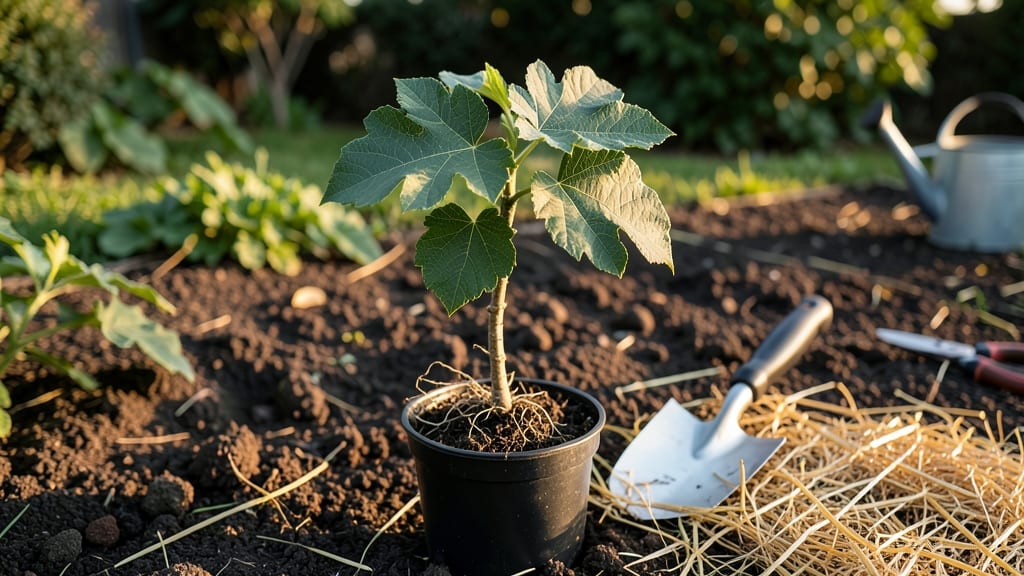
Planting a 🍈 fig tree in North Carolina can be a game-changer for your garden, but getting the timing right is the key to avoiding frost damage and ensuring strong growth.
With USDA zones 7a-8b offering two distinct planting windows, you’ll want to know exactly when to get those roots in the ground—whether you’re working with hardy varieties or tender types.
Most gardeners in NC focus on spring planting, but fall can also work if you choose the right timing. The last frost typically hits around April 15, so planting after that gives your fig tree the best shot at establishing itself before summer heat arrives.
But did you know some varieties can handle a little chill, making fall planting a smart move for certain types?
In this guide, I’ll break down the exact frost-free windows for your zone, compare the best fig tree varieties for NC, and share pro tips to avoid common mistakes.
Whether you’re planting in the ground or containers, you’ll learn how to give your fig tree the perfect start—so you can enjoy a bountiful harvest from August to October.
Ready to turn your backyard into a fig oasis? Let’s dive into the best times to plant and the varieties that thrive in NC’s unique climate.
Best planting times for fig trees in NC by USDA Zone
North Carolina’s USDA zones 7a-8b offer a perfect climate for growing fig trees—but timing your planting is critical to avoid frost damage and ensure strong root establishment. Most gardeners in NC plant fig trees during two key windows: early spring (after the last frost) or fall (before the first frost).
The exact timing depends on your zone, with Zone 7a needing extra caution due to colder winters.
For Zone 7a (western NC mountains), aim to plant fig trees between mid-April and early May, once the risk of frost has passed.
In Zone 7b-8a (Piedmont and Coastal Plain), you can start as early as late March or even early February for container-grown trees in a sheltered spot. Zone 8b (southeastern NC) gardeners have the most flexibility, with planting possible from February through April.
Fall planting is another great option, especially for cold-hardy varieties like 'Celeste' or 'Chicago Hardy.' Plant in September or early October to allow roots to establish before winter.
Avoid planting after mid-October, as young roots won’t have time to harden off before the first frost, which typically hits NC by mid-November.
Here’s a quick reference for your NC zone and the ideal planting window:
🌱 Fig Tree Planting Guide for NC by USDA Zone
| USDA Zone | Last Frost Date | Best Spring Planting Window | Best Fall Planting Window | Cold Hardiness Tip |
|---|---|---|---|---|
| 7a | April 15 - May 1 | Mid-April to early May | September 15 - October 5 | Use cold-hardy varieties; protect young trees with mulch. |
| 7b | April 1 - April 15 | Late March to early April | September 1 - October 10 | Container-grown trees can be planted earlier in sheltered spots. |
| 8a | March 15 - April 1 | February 20 - April 15 | August 20 - October 15 | Longer growing season; fall planting works well for tender varieties. |
| 8b | March 1 - March 15 | February 1 - April 30 | August 1 - November 1 | Tender varieties can be planted later in fall with winter protection. |
📌 Pro Tip: Check your local NC State Extension office for precise frost dates in your county.
If you’re planting in containers, you can extend your planting window significantly.
Container-grown fig trees can be moved indoors or under a hoop house during cold snaps, making it possible to plant as early as February in Zone 8b or as late as November in Zone 7a with proper protection.
Just ensure your containers have drainage holes and use a lightweight potting mix to prevent root rot.
For bare-root fig trees, plant as soon as possible after purchase to minimize root stress. Soak the roots in water for 1-2 hours before planting to rehydrate them.
If you can’t plant immediately, store them in a cool, dark place (like a refrigerator crisper drawer) and keep the roots moist with a damp cloth.
One common mistake NC gardeners make is planting fig trees too early in the spring, before the soil has warmed up. Fig trees thrive in warm soil (at least 60°F), so wait until the ground temperature is consistently above this mark.
You can check soil temperature with a soil thermometer or wait until nearby daffodils and crocuses have bloomed.
In Zone 7a, where winters can be harsh, consider planting dwarf varieties like 'Little Miss Figgy' or 'Violette de Bordeaux.' These stay smaller (8-12 ft tall) and are easier to protect with burlap wraps or frost blankets during unexpected cold snaps.
For larger varieties, choose a south-facing wall or fenced area to trap heat and shield the tree from cold winds.
Always monitor your local weather forecasts in the weeks leading up to planting. A late frost can devastate young fig trees, so have a backup plan like a row cover or greenhouse ready if temperatures dip unexpectedly.
With the right timing, your fig tree will establish strong roots and reward you with sweet, homegrown figs in just 1-2 years!
Top fig tree varieties for NC and their ideal planting months
North Carolina’s diverse climate supports a variety of fig tree varieties, each with unique cold hardiness and planting windows. Choosing the right type ensures your tree thrives through NC’s mild winters and hot summers. Here are the top 5 varieties adapted for NC gardeners, along with their ideal planting months and growth habits.| Variety | Cold Hardiness (°F) | Ideal Planting Months | Growth Habit | Notes |
|---|---|---|---|---|
| Celeste | 10°F | March–April, September–October | Upright, 15–20 ft | Disease-resistant, sweet fruit |
| Brown Turkey | 15°F | April–May, September | Spreading, 12–15 ft | Classic variety, reliable producer |
| Chicago Hardy | -15°F | April–May (spring only) | Compact, 8–12 ft | Best for colder NC zones (7a) |
| Desert King | 10°F | March–April, September | Upright, 15–20 ft | Large fruit, needs protection in winter |
| Violette de Bordeaux | 15°F | April–May, September–October | Compact, 10–12 ft | Unique purple fruit, ornamental value |
Fall planting (September–October) gives roots time to establish before winter, while spring planting (March–April) avoids late-season frost risks. Always check your local last-frost date—NC’s varies from mid-April in the mountains to early May near the coast 🌱.
Pro Tip: Container-grown figs can be moved indoors during winter months to extend their lifespan, especially for less cold-hardy varieties. Just ensure they get bright light and consistent moisture during dormancy 🪴.
Ready to pick your variety? Match it to your zone, microclimate, and space—then mark your calendar for the ideal planting window! For extra guidance, consult NC State Extension’s regional frost maps 📋.