
Plants
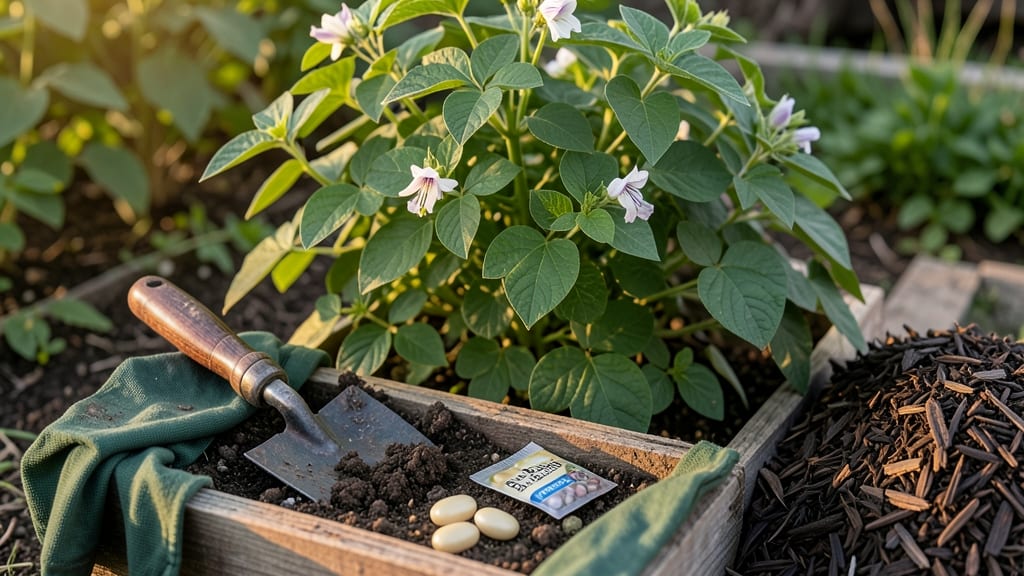
Planting beans in Seattle’s cool, wet springs can feel like a gamble—get the timing wrong, and you might end up with frost-nipped seedlings or stunted growth. The key is understanding your microclimate, whether you're near the coast or inland, where temperatures and frost dates shift dramatically.
For most Seattle gardeners in USDA Zone 8a, the ideal window to plant beans runs from late April through early June, once the soil warms to at least 60°F and the risk of frost has passed.
But coastal areas stay cooler longer, while inland spots can heat up faster, making adjustments crucial for a successful harvest.
You don’t need a green thumb to grow beans—just the right strategy. I’ll break down exactly when to direct-sow your seeds, whether to start indoors for a head start, and how to choose varieties like bush or pole beans that thrive in Seattle’s climate. Let’s get those 🌱 growing!
From avoiding late-spring frosts to maximizing your harvest window, this guide covers everything you need to know. Whether you’re a beginner or a seasoned gardener, you’ll leave here with a clear plan to turn your Seattle garden into a bean-producing powerhouse.
Seattle bean planting calendar: coastal vs inland planting windows
Seattle’s unique microclimates create distinct planting zones—coastal areas stay cooler and wetter longer, while inland spots warm up faster. Understanding these differences helps you avoid late frosts or heat stress in your beans. Let’s break down the ideal planting windows for both regions to maximize your harvest.
The key difference lies in soil temperature and frost risk. Coastal Seattle (like West Seattle or Bainbridge Island) typically has a 2-3 week delay compared to inland areas (like Redmond or Kirkland). Always wait until the soil reaches 60°F—a soil thermometer is your best friend here!
🌱 Seattle Bean Planting Comparison
| Factor | Coastal Seattle (Zone 8a) | Inland Seattle (Zone 8a) |
|---|---|---|
| Last Frost Date | May 15 (average) | April 25 (average) |
| Ideal Planting Window | Late May to early June | Mid-April to late May |
| Soil Temp Requirement | 60°F+ (wait for consistency) | 60°F+ (sooner in inland) |
| Bush Bean Varieties | Blue Lake, Contender (earlier maturing) | Kentucky Wonder, Provider (heat-tolerant) |
| Pole Bean Varieties | Blue Lake Pole, Scarlet Runner (longer season) | Rattlesnake, Blue Lake Pole (faster growth) |
| Succession Planting | Every 2-3 weeks until July 15 | Every 2 weeks until June 30 |
| Harvest Window | July 15 to September 1 | June 20 to August 15 |
Pro Tip: Use row covers for coastal plantings to warm soil faster and protect from late frosts.
For coastal Seattle, start seeds indoors in late March to get a head start. Transplant seedlings outdoors after Memorial Day, but always monitor weather forecasts for unexpected cold snaps. The Puget Sound breeze can delay warming, so be patient—rushing leads to stunted plants.
Inland areas can plant directly outdoors as early as mid-April, but watch for temperature swings. If nights dip below 50°F, use frost blankets to protect young seedlings. The drier inland climate also means you’ll need to water more consistently once established.
Both regions benefit from succession planting. After your first harvest in late summer, sow a second batch of fast-maturing varieties like Blue Lake beans (ready in 50-55 days). This extends your harvest into early fall before the first frost hits around November 15.
Don’t forget about pole beans—they thrive in Seattle’s climate if given proper support. Plant them slightly earlier than bush beans (by 1-2 weeks) since their vines take longer to establish. Use T-posts or trellises to save space and improve air circulation, reducing disease risk in Seattle’s humid summers.
If you’re unsure about your specific microclimate, check the University of Washington’s AgWeatherNet for localized frost forecasts. Their soil temperature maps are a game-changer for Seattle gardeners. With this data, you can fine-tune your planting schedule to perfection.
For container gardening, coastal areas can start beans in pots by late April, while inland spots can begin in early April. Just ensure containers have drainage holes—Seattle’s wet springs can lead to root rot if water pools.
Remember: Patience is key in Seattle’s climate. Rushing your planting leads to poor germination or stunted growth. When in doubt, wait for that 60°F soil temperature—your beans will thank you with a bountiful harvest!
How to extend your bean growing season in Seattle’s climate
Seattle’s cool, wet springs and unpredictable frosts can shorten your bean-growing season—but don’t worry! With smart techniques, you can enjoy fresh beans from early spring to late fall. The key is protecting young plants and using season-extending tools like row covers and cold frames.
For early spring plantings, start seeds indoors 6-8 weeks before your last frost date (typically mid-March). Use grow lights to provide 12-14 hours of light daily, and transplant seedlings outdoors 2 weeks after the last frost when soil temps hit 60°F.
Here’s how to maximize your harvests year-round:
Start seeds indoors with heat mats to speed germination. Use black plastic mulch to warm soil faster.
Direct-sow seeds after last frost. Use row covers to protect from late frosts (common in coastal areas).
Plant heat-tolerant varieties like 'Blue Lake' or 'Kentucky Wonder.' Provide shade cloth during heatwaves to prevent wilting.
Sow cold-hardy varieties like 'Provider' or 'Tendergreen.' Use cold frames to extend harvests until first frost (usually mid-November).
Plant new seeds every 2-3 weeks from May to August for a continuous harvest.
For coastal Seattle, focus on early varieties and row covers—the ocean breeze keeps temps cooler longer. Inland areas can push late-season plantings further due to warmer summers. Always monitor soil moisture; beans hate soggy roots!
Pro tip: Pole beans thrive in Seattle’s climate—they climb and stay cooler than bush varieties. Trellis them near a south-facing wall for extra warmth. With these tricks, you’ll enjoy beans from May to October!