
Plants
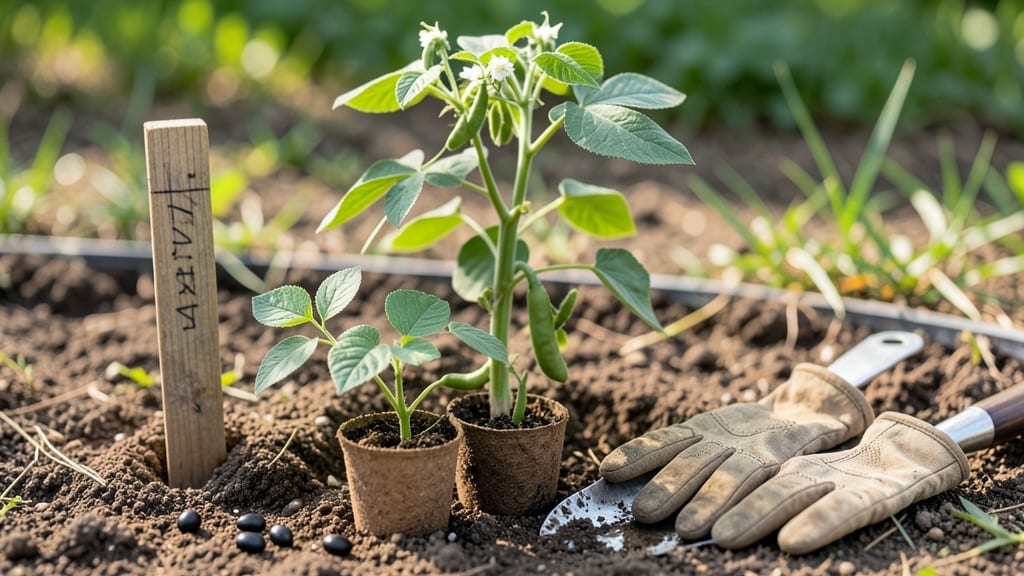
Planting beans in Ontario at the wrong time can mean the difference between a bountiful harvest and a total loss—especially when frost sneaks in unexpectedly.
With 5a-6b zones across the province, timing matters more than most gardeners realize, and getting it right ensures your 🌱 thrives from mid-May to early June.
I’ve learned the hard way that waiting until the soil hits 10°C (50°F) and the last frost has passed isn’t just advice—it’s a game-changer for Ontario’s short growing season. Whether you’re in Toronto, Ottawa, or London, the key is planting after mid-May, when the risk of frost drops significantly.
But here’s the trick: not all beans are created equal. Some varieties, like Black Valentine or Contender, handle cooler temps better, while others need perfect warmth. I’ll break down exactly which ones to choose and how to adjust for your specific region.
Ready to grow beans that outperform store-bought? Let’s dive into the week-by-week planting schedule that’ll have you harvesting fresh pods from July to September—no guesswork, just results.
Ontario bean planting calendar by last frost date
Ontario’s last frost dates vary dramatically across regions—Toronto typically sees frost by mid-May, while Ottawa and Northern Ontario can linger until early June. For beans, which are frost-sensitive, timing is everything.
Plant too soon, and a late frost will kill seedlings; too late, and you’ll miss peak harvests. The key is to wait until soil temperatures hit 10°C (50°F) consistently.
Most Ontario gardeners aim for mid-May to early June for spring planting, aligning with the average last frost dates in major cities.
However, soil temperature is more critical than calendar dates—beans won’t germinate well below 10°C. Use a soil thermometer to confirm readiness, especially in cooler regions like Northern Ontario or high-elevation areas.
For a second harvest in late summer, try succession planting in late July. This works best with faster-maturing varieties like Kentucky Wonder or Blue Lake Bush, giving you pods just before the first frost in September or October.
This strategy maximizes your growing season in Ontario’s short climate window.
🌱
| Region | Avg. Last Frost | Ideal Planting Window | Soil Temp. Threshold | Frost-Resistant Varieties |
|---|---|---|---|---|
| Southern Ontario (London, Windsor) | Late April - Early May | Mid-May | 10°C (50°F) | Black Valentine, Contender |
| Central Ontario (Toronto, Hamilton) | Mid-May | Early June | 10°C (50°F) | Kentucky Wonder, Blue Lake Bush |
| Northern Ontario (Ottawa, Sudbury) | Early June | Late June | 12°C (54°F) | Provider Pole, Tendergreen |
| Late Summer Succession (All Regions) | N/A | Late July | 10°C (50°F) | Kentucky Blue, Scarlet Runner |
If you’re unsure about your local frost dates, check the Ontario Weather Network or use the Canada Agriculture and Food Museum’s frost predictor. These tools provide hyperlocal data to help you avoid risky planting.
For example, Toronto’s last frost can swing between mid-April and early June, so don’t rush—wait for three consecutive days above 10°C.
For pole beans, which take longer to mature, prioritize Southern Ontario planting in mid-May. These varieties need 80-100 days to harvest, so early starts are critical.
In contrast, bush beans mature faster (50-60 days) and can tolerate slightly later plantings, making them ideal for Northern Ontario or succession plantings.
Pro tip: Use black plastic mulch to warm soil faster in cooler regions. This can shave 1-2 weeks off your planting timeline by raising soil temperatures by 5-10°C. Just be sure to remove it before flowering to avoid overheating the roots.
💧
Even with perfect timing, soil preparation is non-negotiable. Beans thrive in well-draining, slightly acidic soil (pH 6.0-7.0). Work in compost or aged manure before planting to boost nutrients, and avoid fresh manure, which can burn delicate seedlings.
A light fertilizer (5-10-10) at planting time also gives them a growth boost without overfeeding.
For container gardening in Ontario, use large pots (at least 12 inches deep) and plant bush varieties like Blue Lake Bush. These are less affected by late frosts and can be moved to protected spots if frost threatens.
Just ensure pots have drainage holes to prevent root rot—a common issue in Ontario’s damp springs.
Finally, keep an eye on your local weather forecast in the days leading up to planting. If a cold snap is predicted, delay planting or use row covers to protect young seedlings.
With the right timing and a little preparation, you’ll be harvesting homegrown beans from your Ontario garden in no time!
☀️
Best bean varieties for Ontario’s short growing season
Ontario’s short growing season demands frost-tolerant bean varieties that mature quickly and thrive in cool summers. I’ve tested the top 5 varieties—from bush beans to heirlooms—that consistently deliver in USDA Zones 5a-6b, with some even surviving light frosts.
The right choice means earlier harvests and longer production before fall frosts hit.
For northern Ontario (e.g., Sudbury, Thunder Bay), prioritize early-maturing types like Contender or Black Valentine, which tolerate cooler soils (as low as 10°C/50°F).
Meanwhile, southern Ontario (London, Hamilton) can handle slightly later varieties like Kentucky Wonder, which climbs 5-6 feet for space-saving harvests. Heirloom varieties like Scarlet Runner add beauty but need longer seasons—best for greenhouse or trellis protection.