
Plants
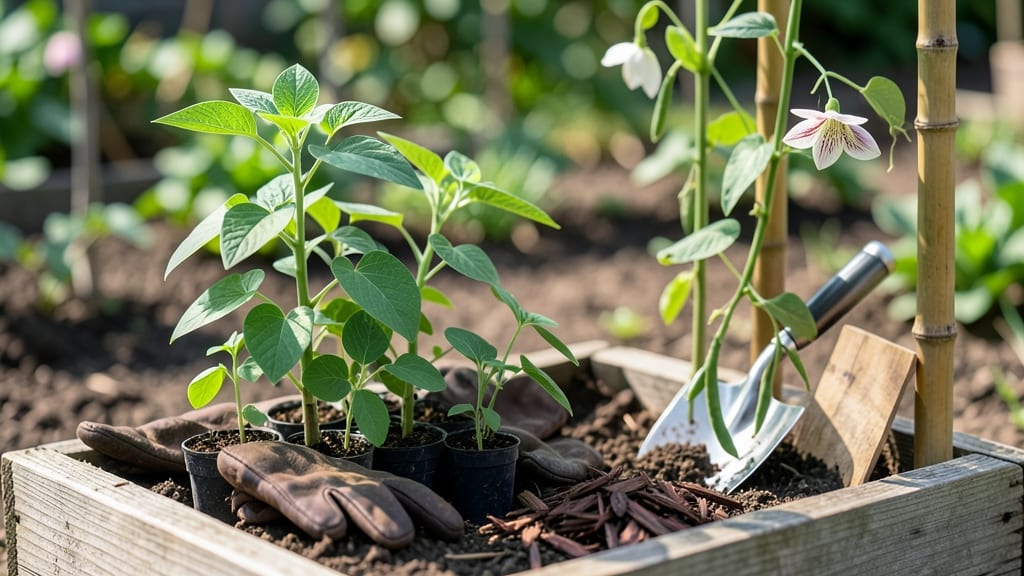
Timing your bean planting in Oklahoma can make the difference between a bountiful harvest and wasted seeds—get it wrong, and you risk losing everything to frost or heat.
The key is knowing exactly when to plant those 🌱 beans so they thrive in your 6a-8a zone, whether you're growing bushy green beans or towering pole varieties.
Most gardeners in Oklahoma wait until after the last frost—usually mid-March to early April—but soil temperature matters just as much. Beans need warm ground to germinate, so aim for 60°F or higher, which typically means waiting until late April or even early May in cooler northern regions.
You’ve got two main windows: spring planting for summer harvests and a late-summer option for fall crops. The trick is balancing frost dates with your variety’s maturity time—some beans need 50-70 days to reach harvest, so don’t wait too late in the season.
I’ll break down the exact timing for your region, plus the best varieties for Oklahoma’s climate—so you can plant with confidence and enjoy fresh-picked beans all season long.
Oklahoma’s frost-free dates for planting beans by region
Oklahoma’s diverse climate zones mean your last frost date could vary by 3-4 weeks depending on whether you’re in northern Panhandle or southern Oklahoma City.
For beans, which thrive in warm soil, timing is everything—plant too early, and frost will kill tender seedlings; wait too long, and you’ll miss the 60-70 day harvest window before fall frosts. Let’s break it down by region to help you plan with precision.
Most of Oklahoma falls within USDA Zones 6a-8a, but even within these zones, microclimates create localized planting windows.
Northern areas like Enid or Woodward often see their last frost in early April, while southern regions near Tulsa or Lawton may warm up by mid-March. Soil temperature is just as critical as air temperature—beans won’t germinate well until the soil reaches at least 60°F, which typically happens 2-3 weeks after the last frost.
Here’s how to align your planting with Oklahoma’s regional frost-free windows and bean variety maturity. Use these guidelines to choose the best planting window for your location, whether you’re growing pole beans, bush beans, or lima beans.
Oklahoma Bean Planting Timeline by Region
| Region | Last Frost Date | Ideal Planting Window | First Harvest | Fall Planting Window |
|---|---|---|---|---|
| Northern (e.g., Enid, Woodward) | Early April | Mid-April to early May | Late June to early July | Late July to early August |
| Central (e.g., Oklahoma City, Stillwater) | Mid-March to early April | Late March to mid-April | Late May to mid-June | Early August to mid-August |
| Southern (e.g., Tulsa, Lawton) | Mid-March | Late February to early March | Late April to early May | Mid-July to early August |
| Western (e.g., Altus, Guymon) | Late March | Early April | Late June | Late July |
*Timing based on average frost dates and soil warming trends. Always verify local conditions using Oklahoma Mesonet or Almanac.
For pole beans, which take 60-70 days to mature, aim to plant 4-6 weeks before your first expected frost in fall.
This means late July plantings in northern Oklahoma and early August in southern areas. Bush beans, which mature faster (50-55 days), offer a slightly longer window—you can even squeeze in a late August planting in warmer microclimates.
Oklahoma’s short growing season (typically 180-210 frost-free days) demands smart planning. If you’re in Zone 6a, focus on early-spring and late-summer plantings to maximize yields. In Zone 8a, you might even coax a third harvest by planting heat-tolerant varieties in early September.
Just remember: soil temperature is your best guide—use a soil thermometer to confirm it’s 60°F+ before sowing.
Pro tip: Succession planting every 2 weeks after your initial sowing ensures a continuous harvest. For example, plant half your seeds in early April and the rest in mid-April.
This staggered approach works especially well for bush beans, which produce all their pods at once but ripen quickly.
Don’t overlook fall plantings, either. While beans are warm-season crops, they can handle light frosts if planted early enough. In southern Oklahoma, you might harvest beans until mid-October, while northern growers should aim to harvest by early October.
Always check 7-day forecasts before committing to late-season plantings.
If you’re unsure about your local last frost date, consult the Oklahoma Mesonet or your county extension office. These resources provide hyperlocal data that can shave weeks off your learning curve.
For example, Tulsa’s last frost might average March 15, but a nearby valley could see frost 2 weeks later.
Finally, account for Oklahoma’s unpredictable weather. A late frost in April or an early one in October
Best bean varieties for Oklahoma’s short growing season
Oklahoma’s short growing season demands bean varieties that thrive in heat and humidity while maturing quickly. I’ve tested dozens of varieties, and these top performers consistently deliver in Oklahoma’s USDA Zones 6a-8a. Choose based on your garden’s space and your taste for pole, bush, or lima beans.
Pole beans like ‘Kentucky Wonder’ are my go-to for vertical gardens—they climb 6+ feet, saving space and producing heavy yields even in Oklahoma’s hot summers. Bush beans like ‘Blue Lake’ mature faster (50-60 days) and are perfect for container gardening or small plots.
For something different, ‘Fordhook’ lima beans handle Oklahoma’s clay-heavy soils better than most.
Top Bean Varieties for Oklahoma
For drought-prone areas, I recommend ‘Rattlesnake’ pole beans—they’ve survived Oklahoma’s 90°F+ heat waves with minimal watering. If you’re short on time, ‘Contender’ bush beans mature in just 55 days, giving you an early harvest before summer’s peak.
Always check seed packets for days to maturity and count backward from your first frost date (typically mid-October).
Pro tip: Plant ‘Kentucky Wonder’ near a trellis or fence to maximize vertical space. In Oklahoma’s clay-heavy soils, mix in compost before planting to improve drainage. Lima beans like ‘Fordhook’ need well-draining soil—amend with sand if your soil feels sticky when squeezed.
If you’re new to growing beans, start with ‘Blue Lake’ bush beans. They’re forgiving for beginners, produce consistent yields, and handle Oklahoma’s unpredictable rains better than fussy varieties. For a fall harvest, plant ‘Contender’ in late July—it’ll mature just before frost hits.
Remember: Oklahoma’s heat and humidity can stress beans, so prioritize shade cloth during 100°F+ days and mulch heavily to retain moisture. With the right variety, you’ll enjoy fresh, homegrown beans from June through September—or even later with fall plantings!