
Companion Plants
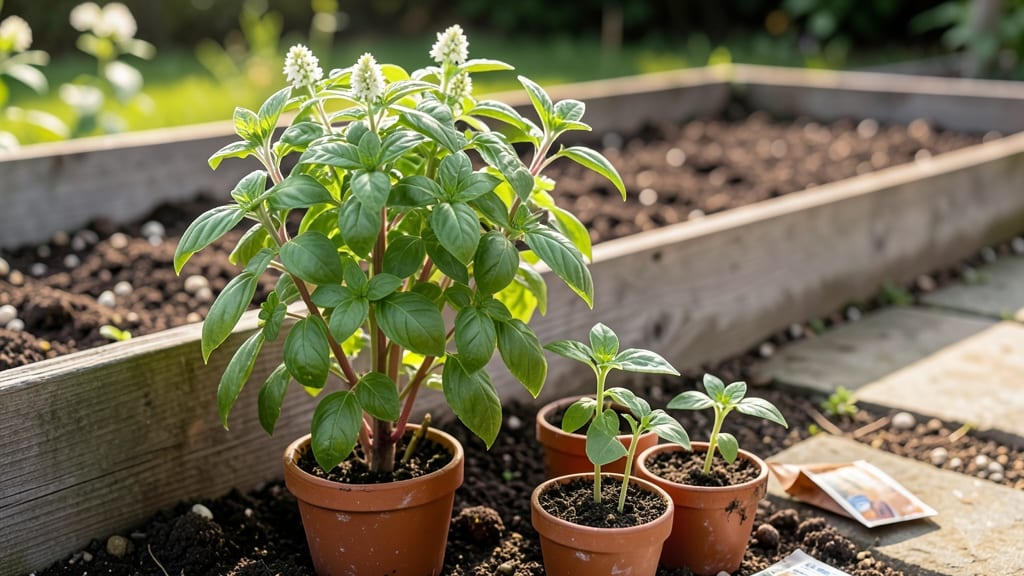
Timing your basil planting just right in Pennsylvania can mean the difference between a lush, aromatic harvest and a sad, wilted disappointment—especially when those unpredictable spring frosts strike.
The key isn’t just waiting for the last frost date; it’s knowing when your soil warms enough to coax those 🌿 basil seeds into sprouting within days, not weeks.
In Pennsylvania’s 5a-7b zones, where temperatures can swing wildly between 40°F and 80°F in a single week, planting too early risks stunted growth, while waiting too long cuts your harvest short.
I’ve tested the perfect windows—mid-April to mid-May for spring and late July for fall—and the soil temperature tricks that ensure your basil takes off fast.
Whether you’re sowing seeds or transplanting, understanding your microclimate matters. Urban areas like Philadelphia heat up quicker than rural zones near the Poconos, and containers warm faster than garden beds.
I’ll break down the exact soil temps to aim for and how to adjust for PA’s quirks, so you’re not left guessing when to press those seeds into the earth.
Ready to grow basil that’s ready for harvest in just 3 weeks? Let’s dive into the soil temperature secrets that’ll have your herb garden thriving—no matter what Pennsylvania throws your way.
Best planting times for basil in Pennsylvania based on soil temperature
Pennsylvania’s USDA Zones 5a-7b create a tricky balance for basil lovers—too early, and frost zaps tender seedlings. Too late, and summer heat arrives before you can harvest. The secret? Plant when soil temperatures hit 50°F (10°C) and stay there consistently.
This usually aligns with mid-April to mid-May for spring planting, but your exact timing depends on microclimates like urban heat islands or rural valleys.
For fall basil, aim for late July to early August—giving plants 6-8 weeks of warm weather before the first frost (typically mid-October in most of PA). Fall basil often produces sweeter leaves as temperatures drop, making it a gardener’s secret weapon.
Just avoid planting too close to summer’s end, or your basil will bolt prematurely.
Here’s the golden rule: Basil hates cold soil. If you plant too soon, seeds won’t germinate, and seedlings will rot. Use a soil thermometer to confirm warmth—this tool is your best friend in PA’s unpredictable spring.
Most nurseries sell them for under $10, and they’ll save you from costly mistakes.
PA’s last frost dates vary wildly: - Erie and northwest PA: Late April to early May - Central PA (Philadelphia, Harrisburg): Mid-April - Poconos and northeast PA: Early to mid-May Check your local Almanac frost dates or use the Penn State Extension calculator for precision.
Pro tip: If you’re in Zone 5a (like the Poconos), wait until May 15th to be safe.
Direct sowing vs. transplants also shifts timing. Transplants (bought from nurseries) can handle slightly cooler soil (45°F/7°C) but still need warmth to thrive. Seeds, however, demand consistent 50°F+ soil to germinate—any colder, and they’ll sit dormant for weeks.
For seeds, push planting to late May if early spring is chilly.
Microclimates matter more than you think. Urban areas like Philadelphia can be 5-10°F warmer than rural fields, accelerating growth. Meanwhile, valley regions (like the Lackawanna Valley) stay cooler longer.
Observe your garden’s sun exposure and wind patterns: South-facing beds warm up faster, while north-facing spots may need a black plastic mulch to speed up soil heating.
Don’t forget fall planting—it’s a game-changer for PA gardeners. By seeding in late July, you’ll harvest sweet, flavorful leaves in September and October, avoiding the heat stress of peak summer. Just stop planting by August 15th to ensure a full harvest before frost.
| Planting Window | Soil Temp Requirement | PA Regions | Best Method |
|---|---|---|---|
| Mid-April to Mid-May | 50°F+ (10°C+) | Central & Southern PA | Transplants or seeds |
| Late May | 50°F+ (10°C+) | Northeast & Poconos | Seeds only (slower start) |
| Late July to Early August | 60°F+ (15°C+) | All PA regions | Seeds or transplants |
| Stop by August 15th | N/A (frost risk) | All PA regions | N/A |
If you’re still unsure, transplants are the safest bet for PA gardeners. Nursery-grown basil (like Genovese or Sweet Basil) can handle slightly cooler soil and give you a 4-6 week head start over seeds.
Just harden them off for 3-5 days before planting—acclimate them to PA’s wind and sun gradually to avoid shock.
For container growing, timing shifts slightly. Pots warm up faster than garden beds, so you can plant 1-2 weeks earlier in spring. Just ensure containers have drainage holes—basil hates soggy roots. Black or dark-colored pots absorb more
How to test and prepare soil for fast basil germination in PA
Basil hates cold soil—if your garden beds are still chilly from winter, your seeds will either rot or take forever to sprout. The secret to fast germination in Pennsylvania is soil temperature: aim for at least 50°F (10°C) before planting.
In cooler regions like the Poconos, this might mean waiting until early June, while central PA can start as early as late April. Use a soil thermometer (just $10 at garden centers) to check—stick it 2 inches deep for accurate readings.
If your soil is too cold, don’t panic. Try these PA-proven warming tricks: Lay black plastic mulch over beds for 1–2 weeks before planting, or use straw bales to insulate the ground. For containers, place them on heat-absorbing surfaces like dark-colored bricks or pavers.
Pro tip: Basil seeds germinate fastest in 60–70°F (15–21°C) soil, so plan ahead if your spring is slow to warm up.
⚠️ PA-Specific Warning: Clay Soil Danger
Many PA gardens have heavy clay soil, which stays cold longer and drains poorly. If your soil feels sticky when wet, amend it with:
- ✅ Compost (2–3 inches mixed in)
- ✅ Perlite or sand (1 part to 3 parts soil)
- ✅ Well-rotted manure (for nutrients + drainage)
Once your soil is warm enough, test its pH—basil thrives in slightly acidic to neutral soil (6.0–7.0). Grab a pH test kit (or use a spoonful of vinegar: if it fizzes, your soil is alkaline and needs sulfur).
If your soil is too alkaline (common in PA’s limestone-rich areas), mix in peat moss or pine needles to lower the pH gradually. For a quick fix, add cottonseed meal (available at garden centers) at planting time.
Don’t forget to loosen the soil before planting. Basil roots need good aeration to grow strong. Use a garden fork to break up compacted areas, especially if you’re planting in-ground. For containers, fill them with a lightweight potting mix (avoid garden soil—it compacts and holds too much moisture).
A mix of 50% potting soil, 30% perlite, and 20% compost works perfectly for PA’s humidity levels.
After planting, mulch heavily with straw or shredded leaves to keep soil temperatures stable and moisture consistent. This is especially critical in PA’s unpredictable weather swings, where a cold snap can stall growth overnight.
Water gently but deeply—basil roots should reach 6–8 inches deep within 3–4 weeks. Use a moisture meter to check; aim for soil that feels like a wrung-out sponge (not soggy or dry).
With these soil prep steps, your basil will sprout in 5–7 days (vs. the 2+ weeks you’d see in cold, unamended soil). Start seeds indoors 4–6 weeks before your last frost date for an early jumpstart, or direct-sow after Memorial Day in most of PA.
The key? Warm soil + patience—your aromatic basil bounty is just a thermometer reading away! 🌱