
Plants
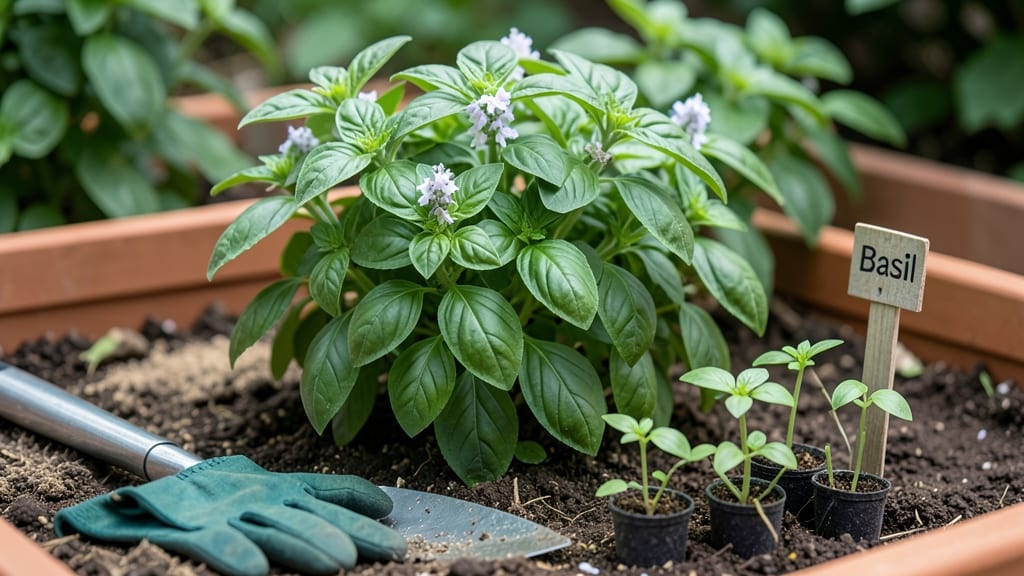
Planting basil 🌿 in Michigan at the wrong time can turn your garden dreams into a sad, wilted mess—especially when those late spring frosts sneak in.
The key isn’t just waiting until May; it’s understanding your exact last-frost date, soil temperature, and even your microclimate (Detroit’s urban heat vs. Traverse City’s cooler shores).
I’ve learned the hard way that rushing basil into cold soil or ignoring heatwaves can kill your plants before they even bloom. But here’s the good news: with the right timing and a few simple adjustments, you can enjoy fresh basil from June straight through September—even in Michigan’s unpredictable climate.
In this guide, I’ll break down the perfect planting window for your zone, show you how to extend the season with containers, and reveal the three mistakes that sabotage basil gardens every year. No more guesswork—just thriving plants and flavorful harvests.
Whether you’re a first-time gardener or a seasoned green thumb, these tips will help you avoid the most common pitfalls. Let’s get your basil off to the best possible start—because nothing beats the taste of homegrown herbs straight from your Michigan garden.
Michigan basil planting timeline: frost dates, soil temps, and heat tolerance
Planting basil in Michigan isn’t just about waiting for spring—it’s about understanding your USDA zones (5b-6b) and soil temperature thresholds. The last frost date varies dramatically between Detroit (mid-April) and Traverse City (early May), so don’t use a one-size-fits-all approach.
Even after frost danger passes, your basil seedlings need soil temps of 55°F+ to thrive.
Southern Michigan gardeners (like those in Ann Arbor) can plant basil outdoors as early as late April, but northern regions (like Marquette) should wait until early June.
This delay prevents cold-sensitive basil from wilting when nighttime temps dip below 50°F. Always check your local Michigan State University Extension frost maps for precision.
Here’s the critical timeline you need to follow for Michigan’s two main frost-free zones:
| Zone | Last Frost Date | Ideal Planting Window | Soil Temp Requirement | Heatwave Risk |
|---|---|---|---|---|
| Southern MI (Zone 6b) | Mid-April | Late April–early May | 55°F+ | High (July–Aug) |
| Northern MI (Zone 5b) | Early May | Early June | 60°F+ | Moderate (late July) |
If you’re in Zone 6b (like Detroit or Kalamazoo), start your basil seeds indoors in early March under grow lights to give seedlings a head start. Harden them off by mid-April and transplant after the last frost.
For Zone 5b gardeners, wait until late May to avoid late-spring frosts that can devastate young plants.
Michigan’s summer heatwaves (especially in July) can also stress basil. To protect your plants, use shade cloth (30%) during 90°F+ days and mulch heavily to retain moisture. Thai basil varieties handle heat better than Genovese, so consider them for southern Michigan gardens.
Pro tip: Use a soil thermometer to confirm temps before planting. Basil roots struggle in cold, wet soil, so raise beds or use black plastic mulch to warm the soil faster. This is especially critical in northern Michigan’s shorter growing season, where every warm day counts.
Even if you follow the timeline perfectly, seedling shock can still occur. To minimize stress, transplant on a cloudy day or in the late afternoon when temps are cooler. Water deeply before and after transplanting to help roots establish quickly.
For container gardeners, black pots absorb heat better than white, giving your basil a slight edge in cooler springs. Place containers in south-facing spots and move them indoors (near a south window) by early October to extend your harvest.
Remember: Basil is a tender annual, so don’t rush the process. Rushing leads to stunted growth or bolting (flowering too early). Patience pays off with lush, aromatic leaves all summer long. 🌿
Michigan basil planting timeline: frost dates, soil temps, and heat tolerance
Michigan’s last frost dates vary dramatically—from mid-April in Detroit to late May in Traverse City. Basil (Ocimum basilicum) is a warm-season herb that won’t tolerate frost, so timing your plantings around these dates is critical.
Even experienced gardeners in USDA zones 5b-6b often misjudge the window, leading to stunted or dead plants.
Basil thrives when soil temperatures hit at least 55°F, but roots won’t establish below 50°F. Use a soil thermometer to confirm—cool soil delays germination and weakens seedlings.
In northern Michigan, wait until early June if April plantings risk frost. Southern regions like Ann Arbor or Kalamazoo can start as early as mid-April.
🌱 Key Takeaway: Basil needs 6+ hours of sunlight daily and consistent warmth. Planting too early means risking frost damage, while waiting too long shortens the harvest window. Balance is everything!
| Stage | Action | Michigan Timing |
|---|---|---|
| Indoor Start | Sow seeds 6-8 weeks before last frost | March (for April/May transplant) |
| Outdoor Planting | Transplant after soil reaches 55°F+ | Mid-April (south) to early June (north) |
| Hardening Off | Acclimate seedlings 7-10 days before transplant | Late April to May |
| First Harvest | Pinch leaves when plant reaches 6" | June to July |
Heatwaves in July and August can stress basil, causing flower bolting (when the plant focuses on seeds instead of leaves). To prevent this, mulch heavily with straw or wood chips to retain moisture and cool roots.
If temperatures exceed 90°F, provide afternoon shade with floating row covers or shade cloth.
For northern Michigan gardeners, consider container gardening—pots warm faster in spring and can be moved indoors before frost. Place containers near south-facing walls to maximize sunlight exposure. This method also lets you extend the season into fall by bringing pots inside before the first frost (mid-October).
Pro tip: Use row covers in early spring to create a microclimate. They raise soil temperatures by 3-5°F, allowing you to plant basil 2-3 weeks earlier without frost risk. Just remove covers once true leaves appear to avoid overheating.